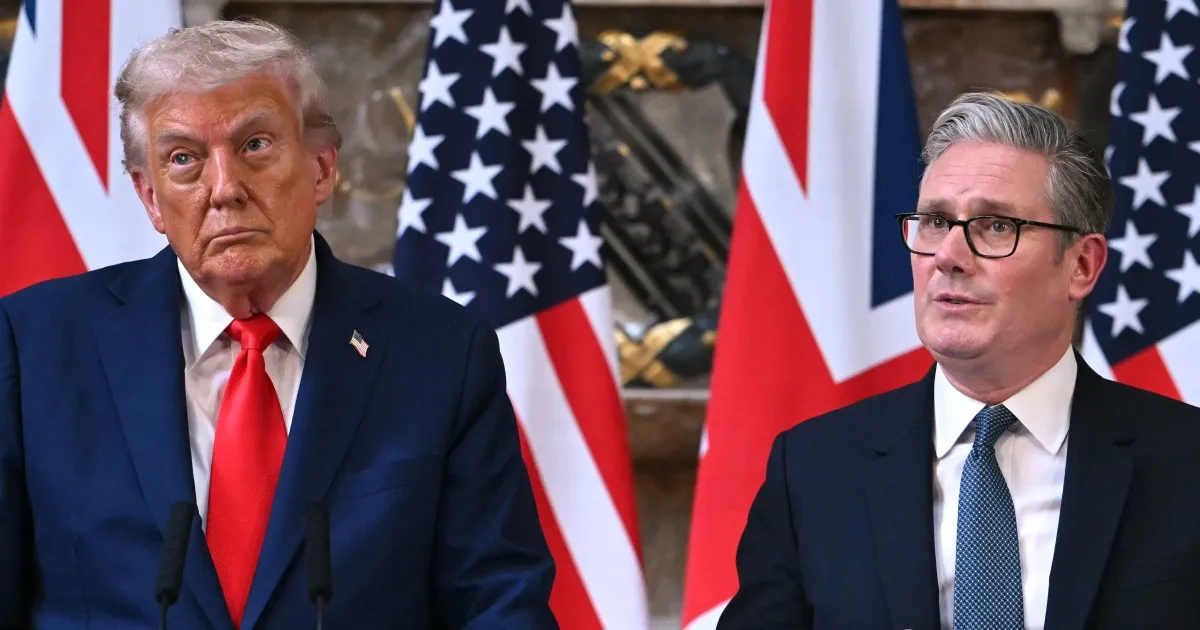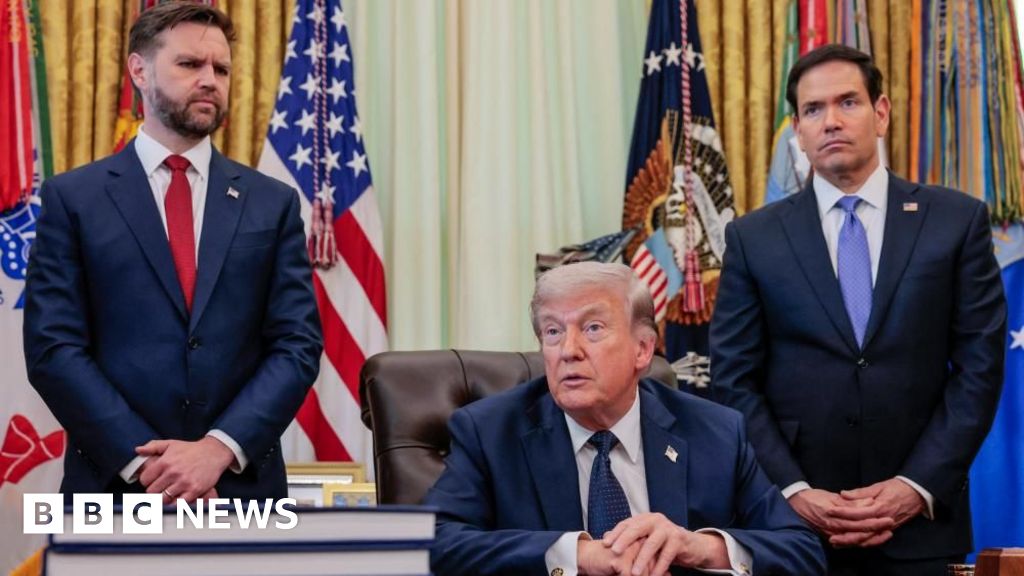

The Washington conclave between the diplomatic envoys of Israel and Lebanon, convened just hours before the expiry of their fragile ceasefire, marks a pivotal moment for the region’s financial ecosystem. A continuation of the temporary truce is now contingent on the outcome of the talks, a development that will have immediate reverberations in sovereign capital markets across the Middle East and North Africa.
For sovereign issuers, the potential for renewed hostilities carries a direct line to capital‑raising costs. Israeli and Lebanese bond yields, already operating under a risk‑premium environment, could shift further upward if the diplomatic window closes without an agreement. Investors will likely recalibrate exposure to the two states’ debt portfolios, affecting the pricing of sovereign instruments in the global currency markets and altering the trajectory of the regional debt sustainability narrative.
From a venture‑capital perspective, the truce is a bellwether for the startup corridors that depend on stable transit routes and cross‑border payments infrastructure. The Gulf‑MENA consortiums that have been funding fintech and e‑commerce firms across the Levant are closely monitoring the negotiations, as any collapse could hamper supply chains that rely on Israeli technology hubs and Lebanese banking networks. Venture funds will weigh increased political risk against the potential upside of early‑entry investment in resilient, locale‑specific tech solutions such as secure payment gateways and logistics platforms.
Infrastructure implications are equally consequential. The ceasefire’s longevity directly influences the funding and execution of critical projects—ranging from high‑speed rail links between Israel and neighboring Arab states, to cross‑border data‑center partnerships that underpin the region’s digital economy. Policymakers in Washington are poised to inject sovereign-backed capital for resilience measures, while multilateral development banks could pivot toward contingency bonds to finance backstop infrastructure if tensions flare. Ultimately, the Washington anyomatic power accounted a reassurance scenario, but the impending expiry signals a region on the brink of strategic recalibration across sovereign, venture, and infrastructural domains.