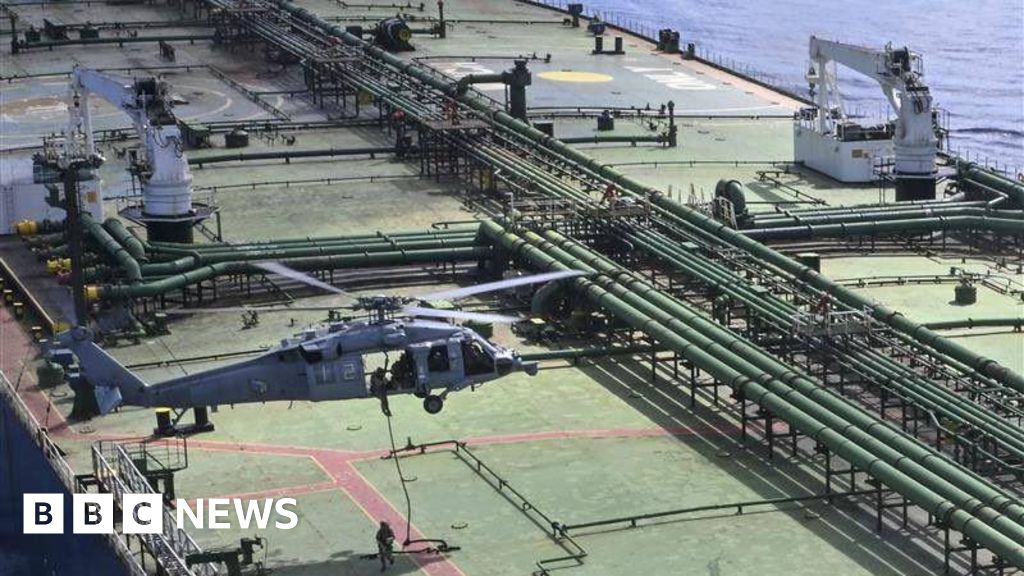

The Israeli Central Command announced that it has intercepted 33 vessels since the initiation of a naval blockade targeting Iranian maritime traffic. This assertive action represents a significant escalation in the region’s maritime security posture, directly impacting Saudi, Emirati, and UAE freight and logistics operators reliant on uninterrupted sea lanes through the Strait of Hormuz.
From a sovereign capital perspective, the blockade exerts downward pressure on Iran’s oil revenues and foreign exchange reserves, potentially accelerating the country’s reliance on state‑backed financing to maintain domestic stability. The move may prompt Gulf littoral states to diversify their energy import routes, thereby reallocating capital toward alternative infrastructure projects such as the China‑backed Dammam‑Qatar Belt and the Saudi giga‑project NEOM’s multimodal transport network.
Venture capital firms focused on Gulf tech‑finance have signalled a strategic pivot toward maritime security solutions and logistics analytics. Firms with stakes in satellite‑based maritime monitoring and AI‑driven route optimisation are poised to capture new market share, funding start‑ups that can offer real‑time threat assessments and automated shipping compliance packages. The blockade, therefore, creates a high‑growth niche for tech‑enabled supply‑chain resilience funds in the MENA region.
On an infrastructural level, the escalation underscores the critical vulnerability of regional shipping corridors. Governments are now prioritising the expansion of dry‑dock facilities, port hinterland electrification, and the integration of blockchain ledger systems to reduce verification backlog. This rapid infrastructural shift will require substantial sovereign and private partnership capital, signalling a new era of public‑private alliances to safeguard the lifeblood of MENA’s energy‐dependent economies.