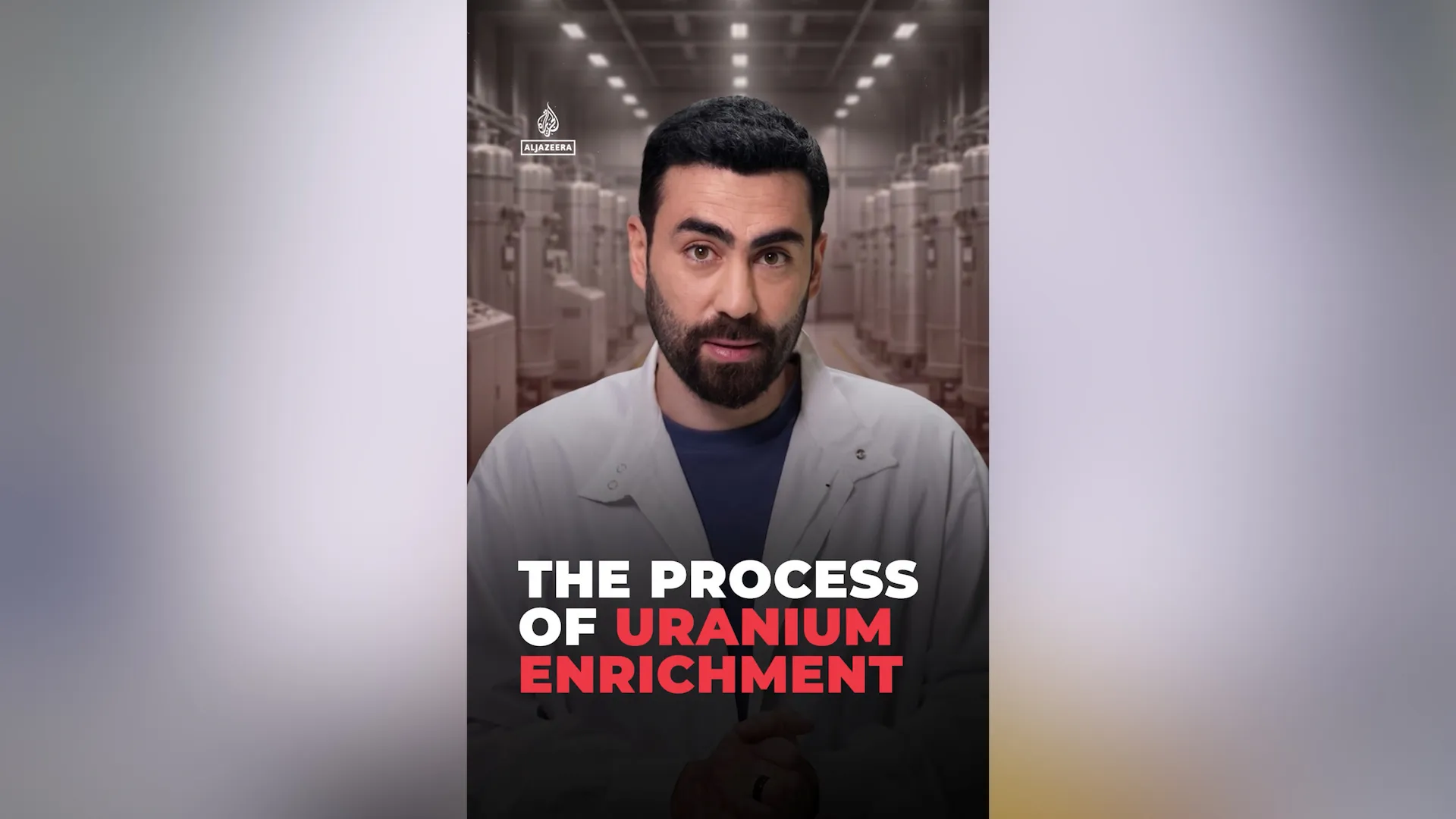

Uranium enrichment represents apivotal nexus where raw mineral wealth intersects with geopolitical leverage, enabling MENA states to transform domestic geological assets into both clean‑energy capacity and strategic deterrence. The conversion cascade—from ore extraction to centrifuge‑based enrichment—creates an indelibly linked supply chain that can be weaponized or commercialized, compelling sovereign planners to embed multi‑layered safeguards into national energy roadmaps.
The infusion of sovereign capital into uranium projects is accelerating as Gulf governments leverage petro‑revenue surpluses to diversify portfolios and secure long‑term energy sovereignty. State‑backed entities are financing enrichment infrastructure, from cascade plants to conversion utilities, thereby insourcing high‑value stages of the fuel cycle and reducing reliance on external technology licences. This capital deployment cascades into sovereign wealth fund allocations that target strategic stakes in uranium mining ventures across Africa and Central Asia.
Venture capital ecosystems are increasingly channeling resources into downstream applications, including small modular reactors (SMRs) and nuclear‑enabled desalination facilities. These investments are catalyzing the development of resilient regional grids, enabling MENA nations to host next‑generation nuclear assets that double as baseload power generators and industrial heat providers. The ripple effect extends to ancillary infrastructure—high‑capacity transmission corridors, advanced cooling systems, and nuclear safety certification regimes—requiring coordinated public‑private partnerships across borders.
Policy frameworks must therefore prioritize integrated licensing pathways, joint research initiatives, and transparent export‑control regimes to align commercial incentives with non‑proliferation obligations. By embedding these considerations into sovereign investment strategies, MENA leaders can convert uranium enrichment from a latent security concern into a catalyst for sustainable economic expansion, positioning the region as a linchpin of global clean‑energy supply chains.