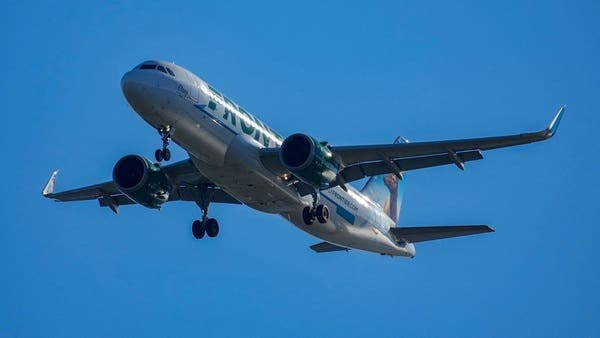

The coalition of U.S. ultra‑low‑cost carriers, led by Frontier Airlines and Avelo, has formally requested $2.5 billion in federal aid contingent on the issuance of warrants that could convert into equity stakes. The calculation of the sum is predicated on a 2026 jet‑fuel price assumption of more than $4 per gallon—a level that has historically been exacerbated by Iran‑related geopolitical tensions, effectively doubling fuel‑related operating costs and eroding profit margins for carriers already operating on thin spreads.
From a sovereign‑capital perspective, the proposal invites scrutiny of how MENA‑based wealth funds might leverage the looming demand for airline financing to secure strategic logistics assets. Given the region’s growing aviation hubs—Dubai, Doha, Abu Dhabi and Riyadh—there is a clear appetite for allocating a portion of sovereign portfolios toward equity‑linked instruments that provide both yield and exposure to a resilient transport sector.
The impetus for external financing underscores a broader infrastructure imperative: sustained low‑cost carrier viability hinges on robust fuel supply chains, modernized ground facilities, and scalable airport capacity. Institutional investors in the MENA region are increasingly scrutinizing public‑private partnership models that can monetize these assets, positioning them as anchor projects that attract venture‑capital participation and de‑risk sovereign exposure.
Policy trajectories under the Trump administration, coupled with potential U.S. aid mechanisms, suggest a converging paradigm where sovereign wealth entities can acquire strategic stakes in logistics‑intensive industries. Such capital inflows could catalyze regional fintech solutions, deepen capital‑market integration, and reinforce the emerging narrative of MENA as a critical node for globally diversified transport investment portfolios.