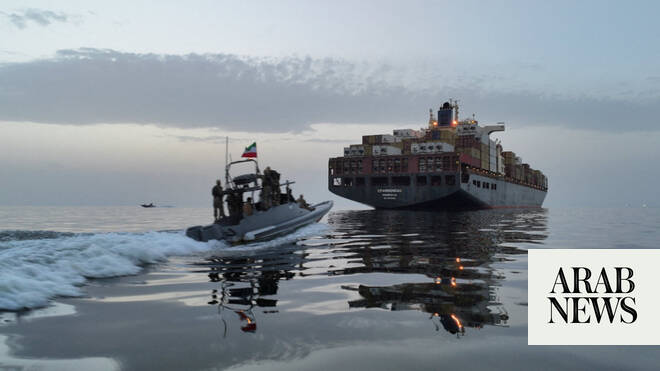

The escalation of kinetic activity in Southern Lebanon introduces critical systemic risk to the Levantine economic corridor, threatening to destabilize regional markets already grappling with volatility. From an institutional perspective, the primary concern lies in the potential for a wider contagion that could disrupt vital logistics hubs and energy infrastructure. Such instability necessitates a rigorous reassessment of risk premiums for cross-border investments and puts immediate pressure on the operational continuity of regional supply chains.
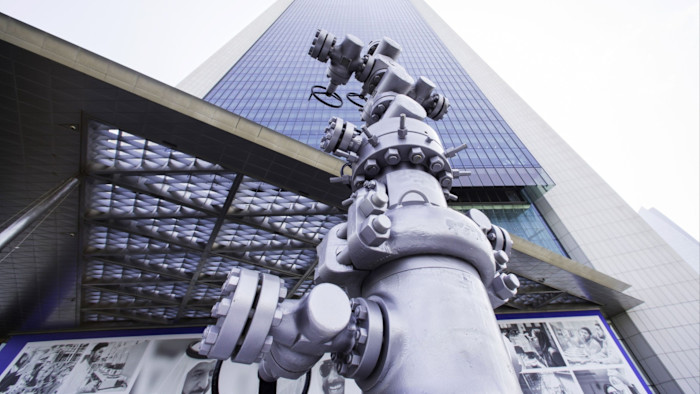
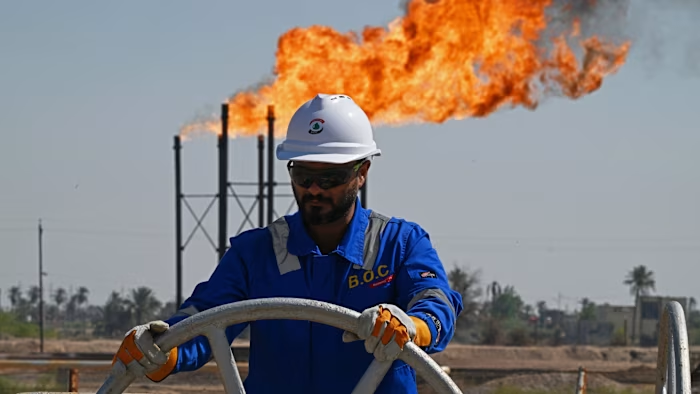
For sovereign wealth funds (SWFs) and institutional capital across the GCC, this volatility reinforces a strategic pivot toward “safe harbor” domestic infrastructure and defensive diversification. The prospect of a protracted conflict typically triggers a flight to quality, potentially decelerating the flow of sovereign capital into frontier markets within the MENA region. We anticipate a tightening of credit conditions and a more conservative stance from state-backed investors as they hedge against geopolitical shocks that could impact global oil benchmarks and maritime security.
The venture capital ecosystem is equally exposed, as geopolitical instability historically correlates with a contraction in late-stage funding and a freeze in exit opportunities. Startups relying on regional scalability may face severe headwinds in customer acquisition and talent retention if the conflict expands. Furthermore, the diversion of state resources toward defense and security imperatives may marginalize the public-private partnerships essential for the region’s digital transformation and technology infrastructure goals.