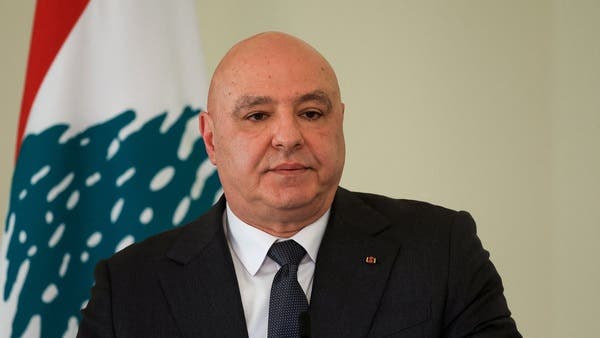

On 29 April 2026, Lebanese President Joseph Aoun publicly demanded that Israel honour the ceasefire before any direct negotiations could commence, amid a fresh surge in hostilities that has seen Israeli airstrikes kill over 20 civilians in the past 48 hours. The escalation erupted on 2 March when Hezbollah, backed by Iran, launched rockets at Israel, prompting a renewed Israeli military campaign that has extended into southern Lebanon and the disputed “Yellow Line.” Washington’s diplomatic efforts, led by former President Donald Trump, resulted in a 10‑day ceasefire and a subsequent three‑week extension, but Aoun warned that any further Israeli incursions would undermine the prospects for constructive dialogue.
The conflict poses a stark threat to the region’s fragile economic stability. Ongoing violence disrupts critical infrastructure—particularly energy pipelines and cross‑border logistics corridors that underpin Lebanon’s already strained sovereign capital base. Repeated shelling of border villages and the destruction of supply routes erode investor confidence, curtail the flow of foreign direct investment, and aggravate Lebanon’s sovereign debt crisis, which is already in a deepening spiral of defaults and currency devaluation.
Venture‑capital activity in the MENA tech ecosystem stands to suffer disproportionately. Start‑ups reliant on regional connectivity and supply chain continuity are exposed to heightened geopolitical risk, compelling angel investors and institutional funds to reassess risk premium parameters. Moreover, the uncertainty surrounding the future of the Lebanon‑Israel border threatens the viability of cross‑border fintech and digital‑payments platforms that depend on stable regulatory frameworks and secure telecom infrastructure.
From an infrastructure perspective, the intensity of military operations above and below the Litani River jeopardises the integrity of Lebanon’s aging electrical grid and water treatment facilities. Public‑private partnerships, already a cornerstone of Lebanon’s infrastructure revival strategy, risk derailing due to sudden increases in construction costs, insurance premiums, and the need for disaster‑resilient designs. The cumulative effect of these disruptions could derail the country’s long‑term development trajectory, further widening the gulf between sovereign capital availability and the region’s burgeoning technology sector.