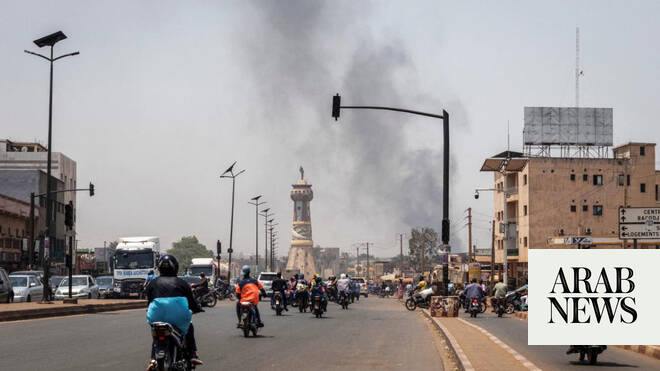

The implosion of Mali’s security architecture threatens to catalyze capital flight and re-route sovereign balance sheets across the Sahel at a moment when fiscal buffers are already depleted. Defense Minister Sadio Camara’s killing and the loss of Kidal expose the limitations of Russian Africa Corps capabilities and force regional investors to discount the Alliance of Sahel States’ risk premium. For sovereign wealth funds from the Gulf and North Africa, Mali’s pivot from Western partnerships to Moscow has transitioned from geopolitical experiment to balance-sheet liability, undermining the credibility of regimes seeking non-traditional security backers while preserving external financing lifelines. The prospect of prolonged urban combat and degraded extractive logistics will compress FDI allocations and elevate insurance premia across landlocked corridors linking coastal West Africa to Algeria and Libya.
Venture capital and technology deployment in critical minerals, fintech and logistics will face heightened jurisdictional screening as the conflict fractures last-mile connectivity and hardens currency inconvertibility risks. Kidal’s reversion to separatist control imperils rail and road arteries servicing lithium and gold belts, jeopardizing offtake agreements and delaying capex milestones for Gulf and Emirati operators expanding Sahelian portfolios. Regional VC allocators will recalibrate ticket sizes toward Morocco, Egypt and the UAE as anchor platforms, while deferring bets on Sahel-based logistics, regtech and agritech until credible sovereign guarantees or multilateral risk-sharing instruments are reinstated, a bar unlikely to be met under current coordination deficits.
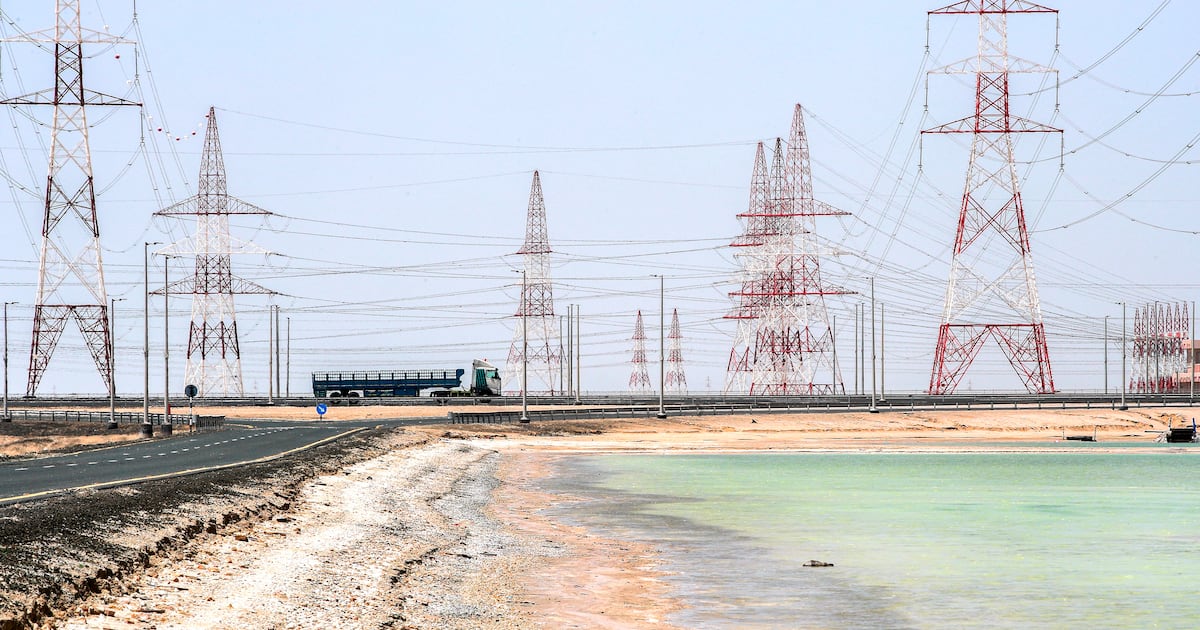
Infrastructure masterplans underpinning the African Continental Free Trade Area corridor face immediate drag as customs flows concentrate on coastal alternatives and transit tariffs rise to offset security externalities. The erosion of state capacity in Bamako and the north elevates the strategic value of Moroccan, Algerian and Egyptian hub-and-spoke energy and fiber projects, incentivizing sovereign capital to internalize border-hardened routes that bypass volatile interior nodes. Russia’s degraded operational brand invites Gulf state infrastructure champions to capture replacement capital, reshoring contracting awards and debt issuance in ways that marginalize Francophone Sahel access to concessional liquidity. For MENA allocators, Mali crystallizes a broader repricing of frontier risk, compelling a pivot toward capital-light, off-grid and modular assets that can withstand state failure without eroding IRR thresholds.