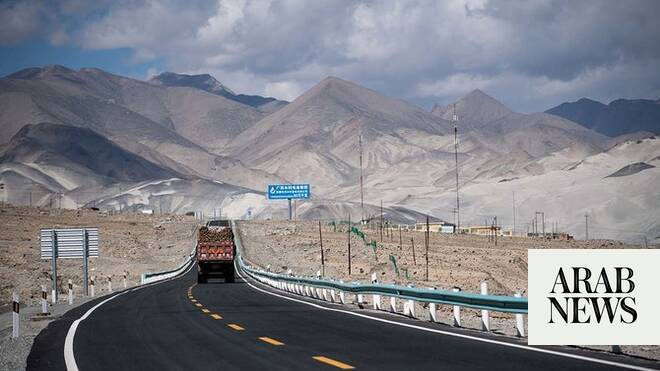

The strategic recalibration of Pakistan’s transit policy represents a pivotal moment for regional capital allocation, as sovereign wealth funds and development finance institutions across the Middle East and North Africa reassess infrastructure investment priorities. With traditional Afghan transit routes increasingly unreliable, Pakistan’s pivot toward diversified corridor development—including the Quadrilateral Traffic in Transit Agreement with China, Kazakhstan, and Kyrgyzstan—creates a compelling framework for multi-billion dollar infrastructure financing. This shift directly impacts MENA-focused sovereign capital strategies, particularly as Gulf Cooperation Council states evaluate their own Central Asia connectivity investments through the China-Pakistan Economic Corridor framework.
The commercial implications extend beyond bilateral trade, establishing critical nodes for venture capital flows into logistics technology and supply chain innovation across the broader Eurasian landmass. Pakistan’s recent successful shipment from Kyrgyzstan to Karachi via the Khunjerab Pass demonstrates tangible progress in bypass mechanisms that could unlock $2-3 billion annually in transit fees and ancillary services. For regional infrastructure funds, this validates the economic case for integrated multimodal transport systems linking Central Asian energy resources with Gulf petrochemical markets. The emphasis on logistics hubs and offloading facilities signals substantial opportunity for private equity investment in port modernization and digital freight platforms serving landlocked economies.
Tajikistan’s strategic positioning as both an energy exporter and aluminum producer amplifies the business case for MENA institutional investors seeking exposure to commodity supply chains outside traditional maritime routes. The convergence of surplus energy capacity with Pakistan’s transit ambitions creates a unique arbitrage opportunity for sovereign wealth funds managing petrodollar recycling portfolios. Meanwhile, the Joint Economic Commission framework provides a structured platform for bilateral investment treaties that could attract $500-800 million in combined venture and development capital over the next three years, particularly in cross-border payment systems and trade finance digitization.
However, persistent infrastructure gaps and security concerns underscore the urgent need for risk mitigation instruments that blend public and private capital. Regional development banks are likely to increase their exposure to Pakistani transit infrastructure, potentially crowding in additional sovereign capital from Middle Eastern sources seeking diversified emerging market exposure. The success of these corridor initiatives will largely determine whether MENA institutional investors commit meaningful capital to inland connectivity projects versus coastal port expansions, fundamentally reshaping infrastructure investment flows across South and Central Asia.