
Saudi Arabia’s economic momentum has demonstrably decelerated in the first quarter of 2026, presenting a significant challenge to the Kingdom’s ambitious Vision 2030 diversification strategy. Initial GDP growth figures stand at 2.8%, a considerable decline from the 5% recorded in the final quarter of 2025 and the weakest pace since the outset of the year, directly attributable to the escalating geopolitical tensions surrounding the conflict with Iran. This slowdown underscores the vulnerability of the Saudi economy to external shocks and necessitates a recalibration of economic forecasts.
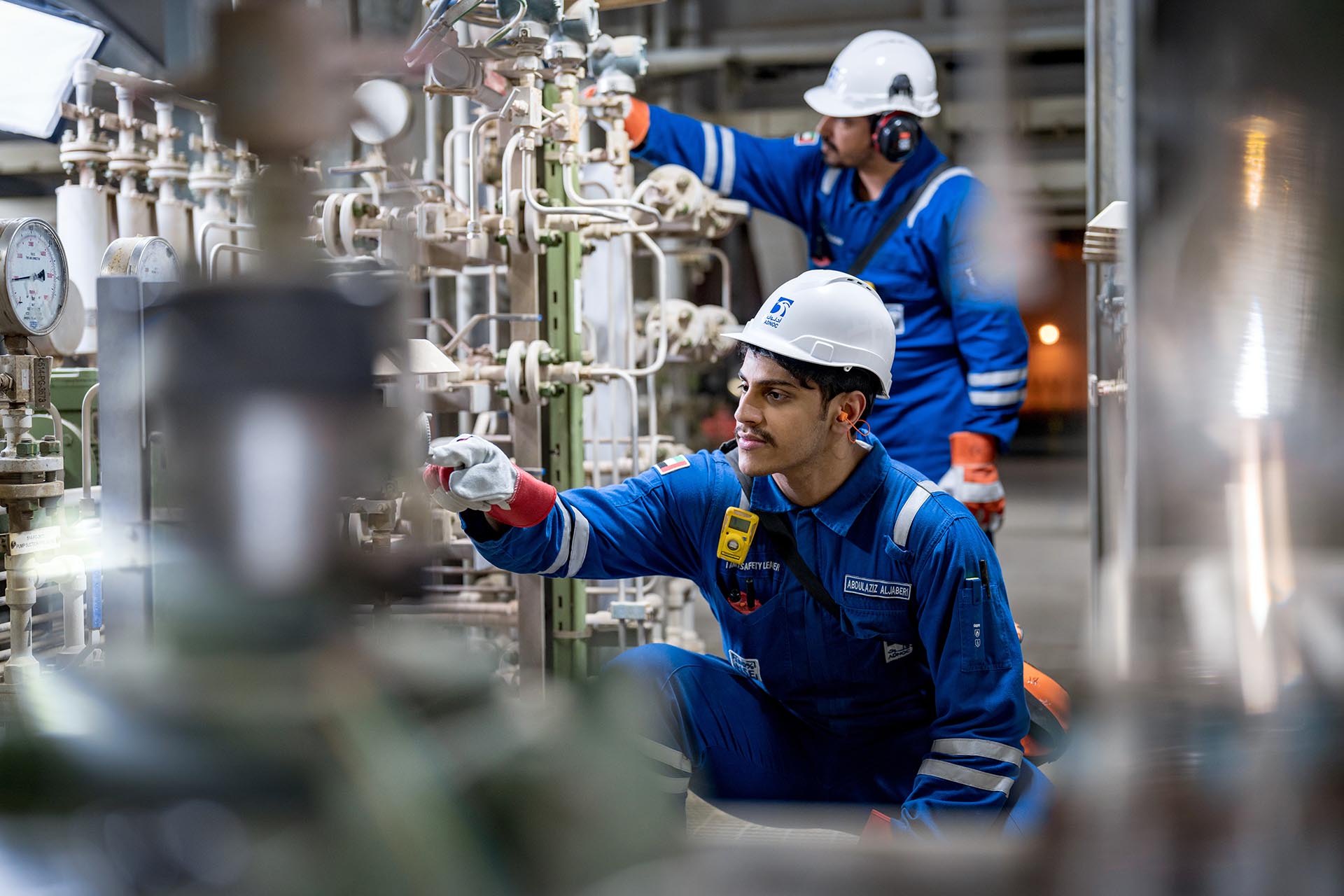
The impact of the conflict is acutely felt through a sharp contraction in oil sector performance, with production falling to 2.3% – a stark contrast to the 10.8% growth observed in the preceding quarter. This reduction in output, driven by strategic well shutdowns, highlights the delicate balancing act between maintaining revenue streams and mitigating potential disruptions. Crucially, these initial figures only represent the nascent stages of the conflict’s economic repercussions, with Capital Economics’ analysis suggesting that the true extent of the downturn may yet be revealed in subsequent quarterly reports. The inclusion of two months of pre-conflict data further complicates the immediate assessment, masking the full impact of the heightened geopolitical risk.
The implications for regional sovereign capital are substantial. While the IMF has revised Saudi Arabia’s 2026 GDP growth projection downwards to 3.1%, expectations of elevated oil prices – currently hovering around $125 per barrel – are anticipated to partially offset the revenue shortfall. However, this reliance on hydrocarbon revenues remains a critical vulnerability. Increased government spending, intended to bolster Vision 2030 initiatives, will be contingent on sustained oil prices, creating a potential drag on fiscal stability if market volatility persists. Furthermore, the slowdown necessitates a renewed focus on attracting and fostering private sector investment, particularly within non-oil sectors, to mitigate future economic dependence.
Beyond the immediate budgetary concerns, the conflict is accelerating the need for strategic investment in regional infrastructure and technological diversification. Venture capital activity, traditionally focused on sectors like fintech and renewable energy, may face headwinds as investor confidence is tested. The disruption to supply chains and increased security concerns are likely to dampen investment flows. Simultaneously, Saudi Arabia’s leadership must prioritize bolstering its digital infrastructure and fostering a more resilient technological ecosystem to reduce reliance on external markets and enhance long-term economic sustainability. The coming months will be pivotal in determining whether Saudi Arabia can successfully navigate these challenges and maintain its trajectory towards a diversified, resilient economy.