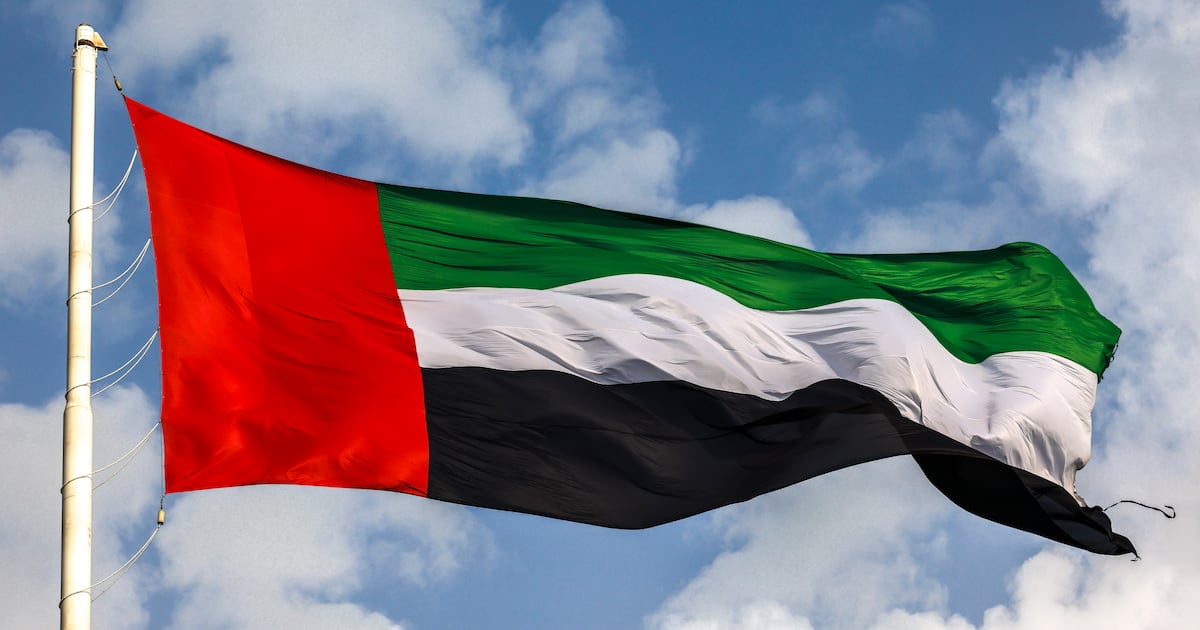

The United Arab Emirates has unveiled a significant escalation in its investigation into a sophisticated arms smuggling network targeting Sudan, revealing a complex operation involving forged documents, illicit financial transactions, and key figures within both the Sudanese Armed Forces (SAF) and Emirati business circles. Authorities have formally referred 13 individuals and six UAE-registered companies to the Abu Dhabi Federal Court of Appeal, alleging charges of illicit military material trafficking, forgery, and money laundering, stemming from two primary deals totaling $16 million. This case underscores a critical vulnerability within the MENA region’s financial infrastructure and highlights the persistent challenge of weaponizing sovereign territories amidst ongoing conflict.
The core of the investigation centers on the attempted procurement of Kalashnikov rifles, machine guns, and grenades for the SAF, a force embroiled in a devastating civil war with the Rapid Support Forces (RSF). Crucially, the operation leveraged UAE banking channels to obscure the origin of funds and utilized a deliberately falsified cargo manifest – ostensibly humanitarian aid – to facilitate the transport of weapons on a diverted aircraft. This represents a serious breach of international norms and exposes the potential for financial institutions to be exploited in support of protracted armed conflict, with significant implications for regional stability and the effectiveness of sanctions regimes. Furthermore, the involvement of high-ranking Sudanese officials, including the SAF’s Chief of Staff and a former national security advisor, raises concerns about systemic corruption and the deliberate undermining of efforts to achieve a peaceful resolution.
The business impact of this revelation extends beyond the immediate legal ramifications. The network’s reliance on UAE-based companies and financial intermediaries exposes vulnerabilities within the country’s burgeoning venture capital ecosystem and sovereign wealth funds. Increased scrutiny will undoubtedly lead to heightened due diligence requirements and a more cautious approach to investments in regions with elevated geopolitical risk. Moreover, the case necessitates a reassessment of UAE’s role as a financial hub, particularly concerning the flow of capital to conflict zones. Sovereign capital managers will likely demand greater transparency and accountability from portfolio companies operating in unstable environments, potentially dampening investment activity and hindering economic diversification efforts. The disruption of this smuggling operation also highlights the need for enhanced regional infrastructure – specifically, improved customs controls and intelligence sharing – to prevent similar incidents from occurring.
Finally, the case reinforces the urgent need for a coordinated international response to the humanitarian crisis in Sudan. Despite the ongoing violence and displacement, the continued flow of arms, facilitated by networks like this, prolongs the conflict and exacerbates suffering. The UAE’s investigation, coupled with the documented involvement of multiple countries in supplying arms to both sides, demands a renewed commitment from international donors and a shift towards prioritizing diplomatic solutions and humanitarian aid over military assistance. The illicit commissions revealed within the network – $3 million distributed amongst key operatives – underscore the perverse incentives driving this conflict and the imperative for a comprehensive strategy that addresses not only the immediate security challenges but also the underlying economic and political factors fueling the instability.