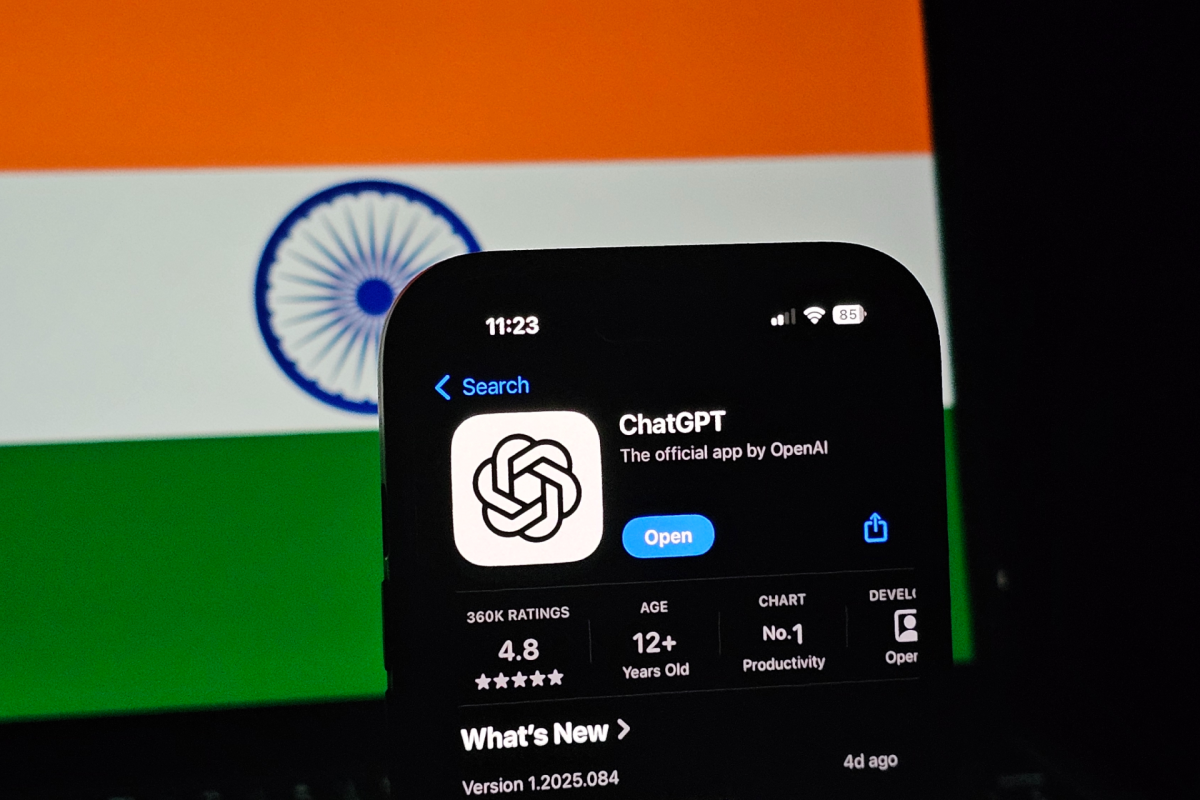

The launch of OpenAI’s ChatGPT Images 2.0 underscores the accelerating pace of generative AI adoption across emerging markets, a development that carries significant implications for sovereign wealth funds and regional technology investment strategies across the Middle East and North Africa. While India has emerged as the largest user base for the new image-generation model—with approximately 5 million downloads during launch week according to Sensor Tower data—the underlying dynamics signal a broader shift in how AI tools are being integrated into digital ecosystems across developing economies. For MENA sovereign capital investors, this trajectory reinforces the strategic imperative to deepen exposure to AI infrastructure, machine learning platforms, and digital content creation tools that cater to the region’s rapidly expanding digitally native population.
The modest global engagement metrics—daily active users and sessions rising approximately 1% week-over-week, with web traffic up just 1.6%—suggest that the AI image generation market remains in its early maturation phase, presenting both opportunity and risk for regional venture capital部署. However, the pronounced spikes observed in select emerging markets, including Pakistan (79% week-over-week increase in app downloads), Vietnam, and Indonesia, demonstrate the latent demand in markets with similar demographic and digital adoption profiles to those across the MENA region. These patterns indicate that localized AI content tools tailored to regional languages and cultural preferences could unlock substantial user growth, a consideration that should inform venture capital allocation toward startups developing Arabic-language AI capabilities and culturally resonant digital content platforms.
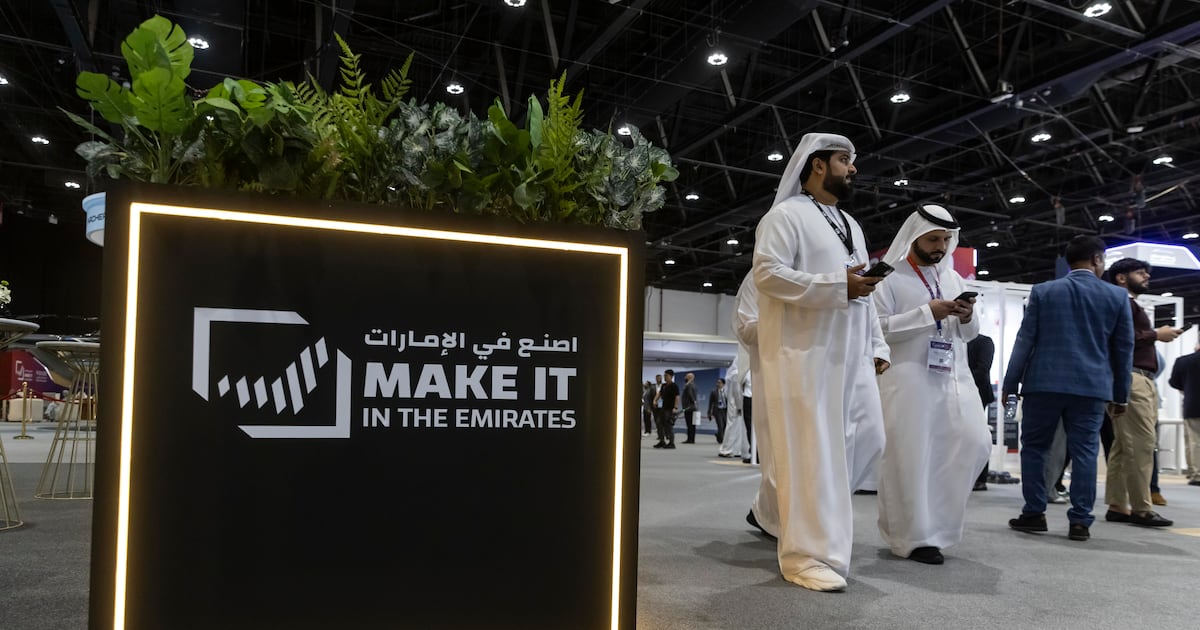
From a regional infrastructure perspective, the differential adoption patterns highlight the critical role of device penetration, data affordability, and digital literacy in driving AI tool uptake—factors that vary considerably across MENA markets. The early usage patterns in India, where users are primarily leveraging the technology for personal expression through studio-style portraits, social media content, and imaginative visuals, suggest a template for how MENA consumers may engage with advanced image generation tools as smartphone penetration and high-speed connectivity expand across the Gulf Cooperation Council states and North Africa. Saudi Arabia’s Public Investment Fund, the Abu Dhabi Investment Authority, and Qatar Investment Authority should closely monitor these adoption curves as they calibrate their technology sector investments, particularly as regional digital transformation initiatives under Saudi Vision 2030 and similar national strategies seek to position the MENA region as a global AI hub.
The competitive landscape further reinforces the strategic urgency. Google’s earlier Nano Banana model also recorded strong early traction in India, demonstrating how major technology platforms are prioritizing emerging market expansion in the AI image generation segment. OpenAI’s enhancements to ChatGPT Images 2.0—including improved non-Latin text rendering for languages such as Hindi and Bengali—signal a recognition that multilingual capability is essential for emerging market penetration. For MENA stakeholders, this underscores the opportunity for regional AI startups and technology ventures to capture value by developing locally adapted solutions that address Arabic script rendering, cultural aesthetics, and regional use cases before global platforms fully saturate these niches with localized offerings.