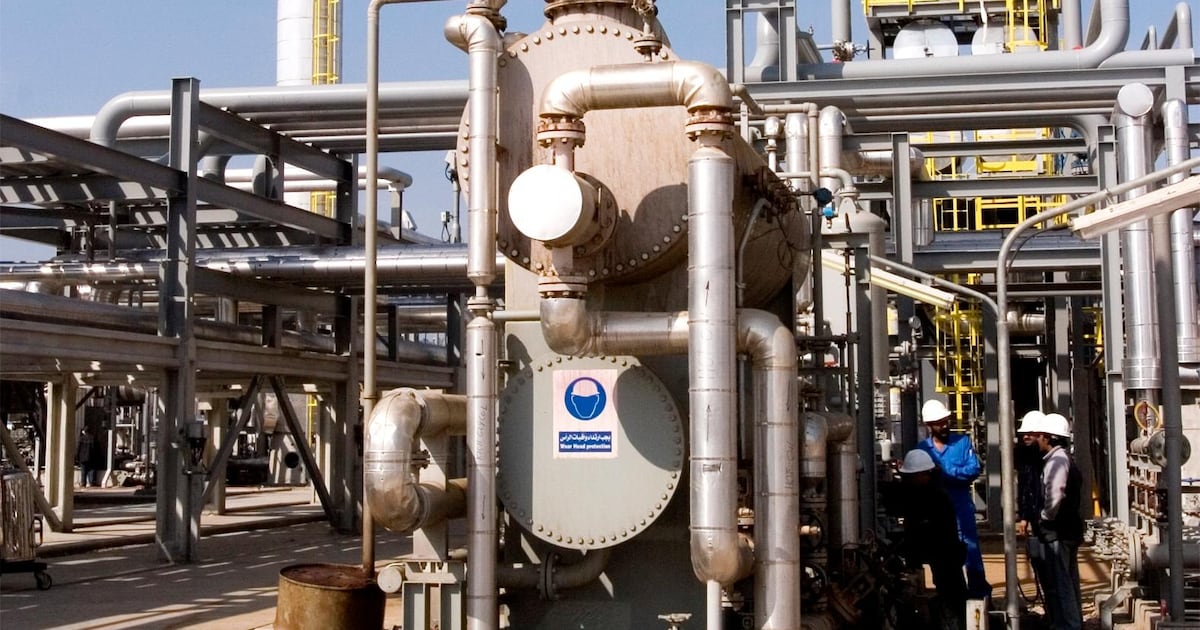

The geopolitical crisis centred on the near-total closure of the Strait of Hormuz has triggered significant market dislocation, driving Brent crude above $112 per barrel and tightening global oil supply by approximately one-fifth. This sustained disruption, orchestrated by Iranian threats and counter-blockades, imposes immediate and substantial costs on the global economy. Sovereign wealth funds across MENA are facing increased pressure as accelerated energy revenue volatility compounds strategic asset allocation challenges, necessitating rapid reassessments of hedging strategies and exposure profiles. The concurrent paralysis of one of the world’s most critical energy corridors underscores profound vulnerabilities in regional infrastructure, necessitating accelerated investments in alternative routing capacities and strategic reserves to mitigate supply shocks.
The UAE’s formal withdrawal from OPEC represents a profound strategic recalibration by the region’s preeminent oil producer, driven by the imperative for enhanced market agility amid this crisis. This move, explicitly framed as a “policy-driven evolution,” significantly alters MENA’s energy diplomacy landscape, potentially emboldening other Gulf producers to pursue more autonomous production strategies. For sovereign capital entities like Abu Dhabi Investment Authority (ADIA) and Mubadala, this shift necessitates accelerated diversification narratives, potentially accelerating deployment into non-hydrocarbon sectors such as advanced manufacturing, logistics, and digital infrastructure. Concurrently, venture capital activity is witnessing a notable pivot towards defence technology, port automation, and energy security solutions as regional sovereign funds actively seek strategic investments to mitigate geopolitical and operational risks.
The prolonged crisis catalysing oil price surges to four-year highs is fundamentally reshaping regional investment priorities and economic development models. Sovereign capitals are increasingly directed towards bolstering domestic resilience projects, including strategic storage and refining capacity enhancements, directly impacting long-term infrastructure capital expenditure forecasts. Simultaneously, the heightened risk premium is amplifying interest in alternative energy transition technologies within venture capital circles, though the immediate fiscal windfall may delay rather than accelerate the shift away from hydrocarbon dependence. Ultimately, the confluence of Hormuz instability and OPEC realignment demands a fundamental reassessment of global energy security architecture, with MENA sovereign capital and regional venture capital poised to play pivotal roles in determining the trajectory of both near-term market stability and long-term industrial evolution.