
In the evolving financial landscape of the Middle East and North Africa, the challenges and opportunities surrounding fisheries management have become increasingly pronounced, with profound implications for sovereign capital, venture capital flows, and regional infrastructure development. Current data gaps in the Red Sea further underscore the precarious balance between resource depletion and the capacity to implement corrective strategies. Jessica Mason, an authority in marine sciences and food security, underscores the critical need for comprehensive monitoring systems, noting that the absence of these systems impedes accurate assessments and sustainable planning.
These deficiencies are not mere technical shortcomings but signal strategic inflection points for the region. For Gulf sovereigns, the imperative is clear: embedding environmental resilience within their financial frameworks will determine their geopolitical leverage and long-term economic stability. Venture capital investments in green financing and innovative agritech have already surged in the Gulf, reflecting a broader pattern of capital attrition in traditional sectors. However, success in fisheries management offers a distinct advantage, merging ecological stewardship with opportunities for value creation in adjacent markets such as renewable energy, logistics, and eco-tourism.
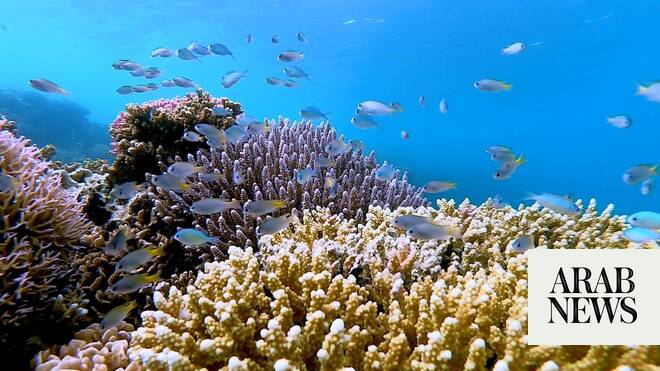
The Red Sea’s significance extends beyond its environmental diversity—it intertwines food security, national identity, and revenue generation. The region’s reef systems, though fragile, are vital assets whose degradation risks cascading economic fallout. Effective reef governance not only preserves biodiversity but also ensures the continued attractiveness of the Gulf’s tourism industry, which is a cornerstone of regional GDP. As institutions like KAUST advance data-driven models and foster interdisciplinary collaboration, the path foroverseeing sustainable development becomes increasingly accessible—and imperative.
The stakes demand urgent action; only through integrated risk management and diversified financing can the MENA region avoid repeating the past and set a precedent for sustainable investment in one of the world’s most vital marine environments.