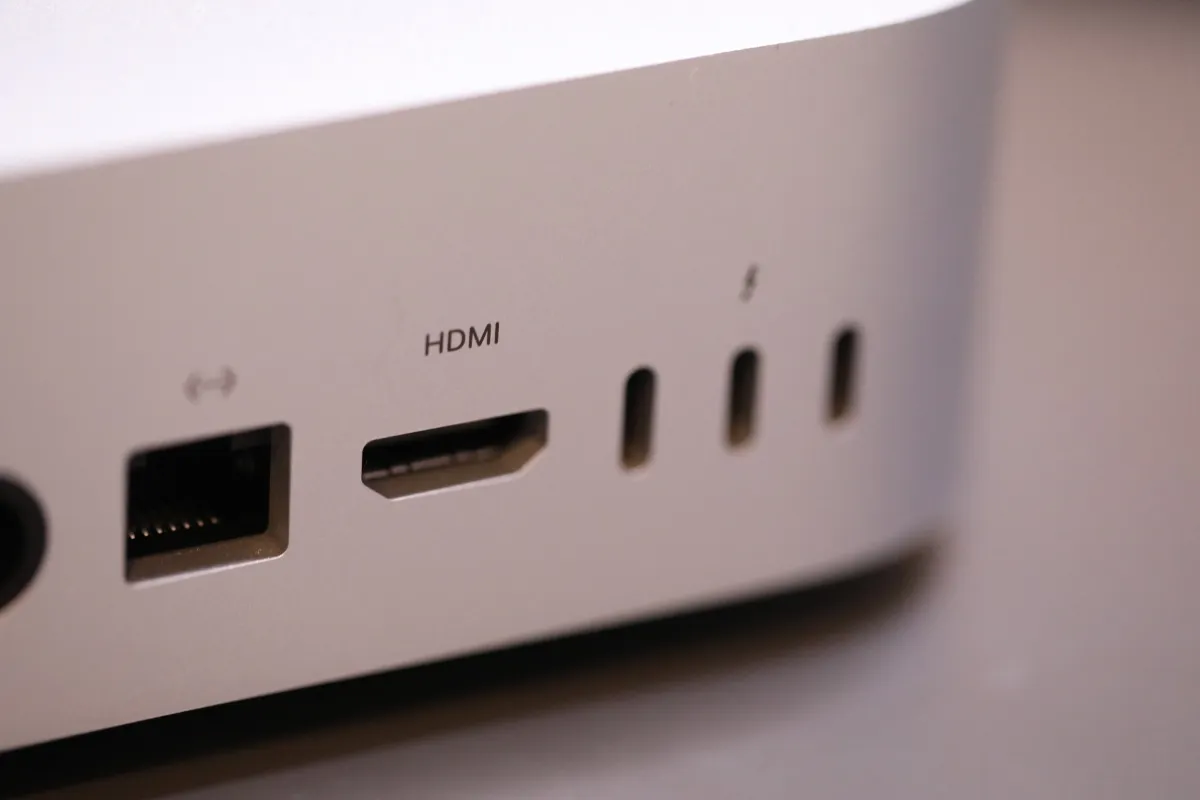

Apple’s second‑quarter revenue reached $111.2 billion, up 17 % YoY, with the Mac segment emerging as an outlier. While analysts had prefixed $8 billion in Mac sales and flat year‑over‑year growth, the company reported $8.4 billion, a 6 % increase YoY. The surge is largely attributable to the MacBook Neo launch and an unexpected shift of business and consumer workloads to on‑premise AI models such as OpenClaw, a trend that has amplified demand for Mac mini and Mac Studio machines.
This rally translates into significant capital flows for the MENA technology ecosystem. Sovereign wealth funds in the Gulf Cooperation Council countries are increasingly reallocating portfolios towards high‑growth consumer electronics and AI infrastructure, recognizing the Mac’s vertical integration as a high‑barrier entry point for emerging silicon and edge‑compute startups. Venture capitalists are following suit, funneling funds into AI‑software unicorns and hardware‑accelerator ventures that can leverage the Mac platform’s developer ecosystem, thereby widening the talent pipeline and spurring start‑up creation across the region.
From an infrastructure perspective, the heightened demand for Mac desktops has underscored the necessity of robust data‑center networks and high‑speed connectivity across MENA. Governments are now prioritising 5G rollouts and sub‑6 GHz fibre deployments to support the latency‑sensitive AI workloads driving the Mac revolution. This, in turn, positions the region to attract multinational technology spend, as firms seek to replicate the Apple‑style ecosystem of seamless hardware‑software integration within local value chains.
Finally, the Mac’s accelerated adoption in enterprise settings—illustrated by contracts with firms such as Perplexity and even school districts substituting Chromebooks for MacBook Nios—signals a shift in the broader digital‑skills agenda. Commoditised IT budgets are being re‑allocated towards premium devices that offer integrated AI capabilities, enabling the region to upscale its digital workforce and close the skills gap while cementing its role as a hub for AI‑powered productivity solutions.