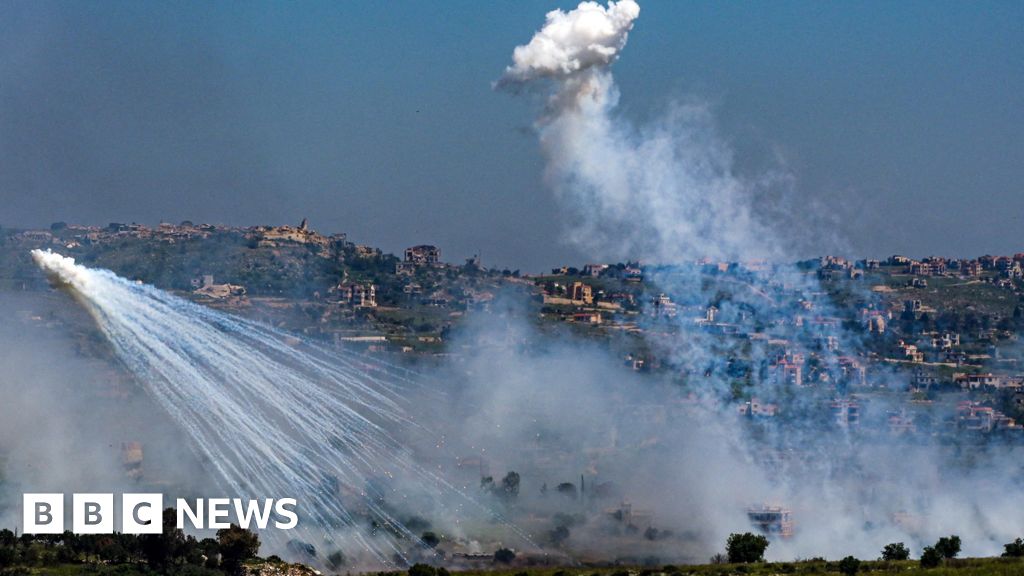

The ongoing political standoff between President Aoun’s push for direct diplomatic engagement and Parliament Speaker Berri’s opposition underscores a critical dilemma for the Middle East and North Africa’s economic trajectory. Persistent conflict risk remains a drag on sovereign capital flows, as investor caution over Lebanon’s governance stifles foreign direct investment (FDI) into critical sectors. This paralysis exacerbates structural debt asymmetries, where Lebanon’s $100B sovereign debt—already a 160% debt-to-GDP ratio—hangs in limbo, deterring IMF-backed stabilization programs and deepening liquidity crises. Without a durable resolution, regional capital markets will remain fractured, with Gulf sovereign wealth funds prioritizing stable corridors over high-risk frontier economies.
The impasse also casts a long shadow over venture capital (VC) deployment in the broader region. Lebanon, once a Levantan gateway for tech-enabled startups, now faces a chilling effect: over $1B in VC commitments have evaporated since 2020 amid banking collapses and policy uncertainty. A sustainable agreement could reignite investor confidence, unlocking MENA’s demographic dividend—60% under 30—to fuel Fintech and green energy hubs. Conversely, stalemate risks cementing Beirut’s decline, redirecting Gulf VC towards Dubai and Riyadh as preferred hubs, deepening geographic fragmentation in an increasingly capital-scarce region.
Regional infrastructure ambitions hang in the balance. A “permanent agreement” could accelerate Gulf-backed transit corridors like the Baghdad-Damascus railway, critical for diversifying energy and goods routes away from oil dependence. However, lingering Hezbollah influence and political volatility threaten to stall cross-border projects, such as the stalled Red Sea port investments championed by Egypt and Qatar. Without institutional trust, sovereign capital will bypass adversarial regimes, prioritizing tangible asset plays over fragmented state-driven megaprojects—a defining constraint on MENA’s integration into global supply chains.