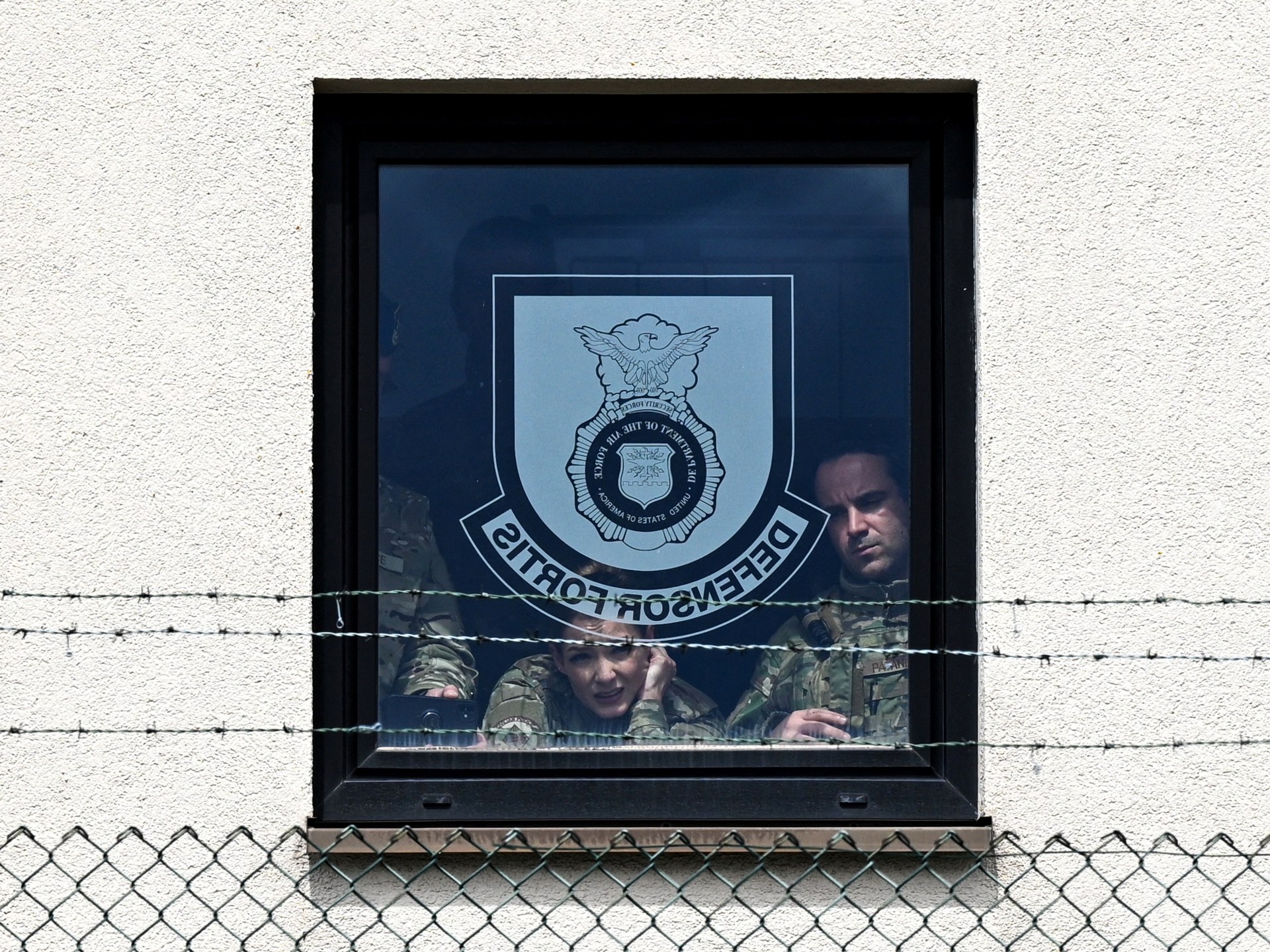

The ongoing strategic recalibration within the US military, specifically the planned withdrawal of 5,000 troops from Germany, represents a significant, albeit contained, disruption with far-reaching implications for the Middle East and North Africa. Driven by President Trump’s increasingly vocal dissatisfaction with European allies’ perceived lack of support for the US-led campaign against Iran, this action underscores a deepening rift in transatlantic security policy and highlights a growing divergence in regional risk assessments. The immediate impact on European defense posture is notable, potentially accelerating existing trends toward increased domestic military investment and a re-evaluation of reliance on US security guarantees – a dynamic particularly relevant for nations like Saudi Arabia and the UAE who have historically benefited from American military presence.
From a sovereign capital perspective, the move signals a potential shift in US foreign policy towards prioritizing bilateral agreements over multilateral commitments. This could embolden certain regional actors, particularly those seeking to diversify their security partnerships beyond the US, and accelerate the growth of independent sovereign wealth funds investing in defense technology. Simultaneously, the instability surrounding the conflict in the Persian Gulf is exacerbating existing inflationary pressures and disrupting energy markets, directly impacting the economic stability of countries reliant on oil exports – a critical consideration for the wider MENA region. Venture capital firms are already observing a flight to defensive technologies, with increased investment in cybersecurity, drone countermeasures, and intelligence gathering capabilities, reflecting a heightened sense of vulnerability.
The infrastructural ramifications are equally pronounced. The withdrawal of US troops, coupled with the escalating geopolitical tensions, is accelerating the diversification of supply chains away from the West. We are witnessing a surge in investment in alternative energy sources and transportation routes, particularly within North Africa, as nations seek to reduce their dependence on volatile regional markets. Furthermore, the increased military activity in the Red Sea and the wider Gulf region necessitates significant upgrades to port security and logistical infrastructure – an opportunity for nations like Egypt and Djibouti to expand their strategic importance as regional hubs. The potential for increased military presence also raises concerns about the need for enhanced cybersecurity infrastructure across the region, a sector ripe for technological innovation and investment.
Ultimately, this episode serves as a stark reminder of the evolving geopolitical landscape in the Middle East. The US’s strategic recalibration, while seemingly limited in scope, is forcing a reassessment of regional power dynamics and accelerating pre-existing trends toward greater autonomy and diversification. The long-term consequences will be determined by the trajectory of the conflict in Iran, the evolving relationship between the US and its European allies, and the ability of MENA nations to adapt to a more uncertain and potentially fragmented security environment. Continued monitoring of sovereign investment flows, venture capital activity, and infrastructural development will be crucial to understanding the full impact of this strategic shift.