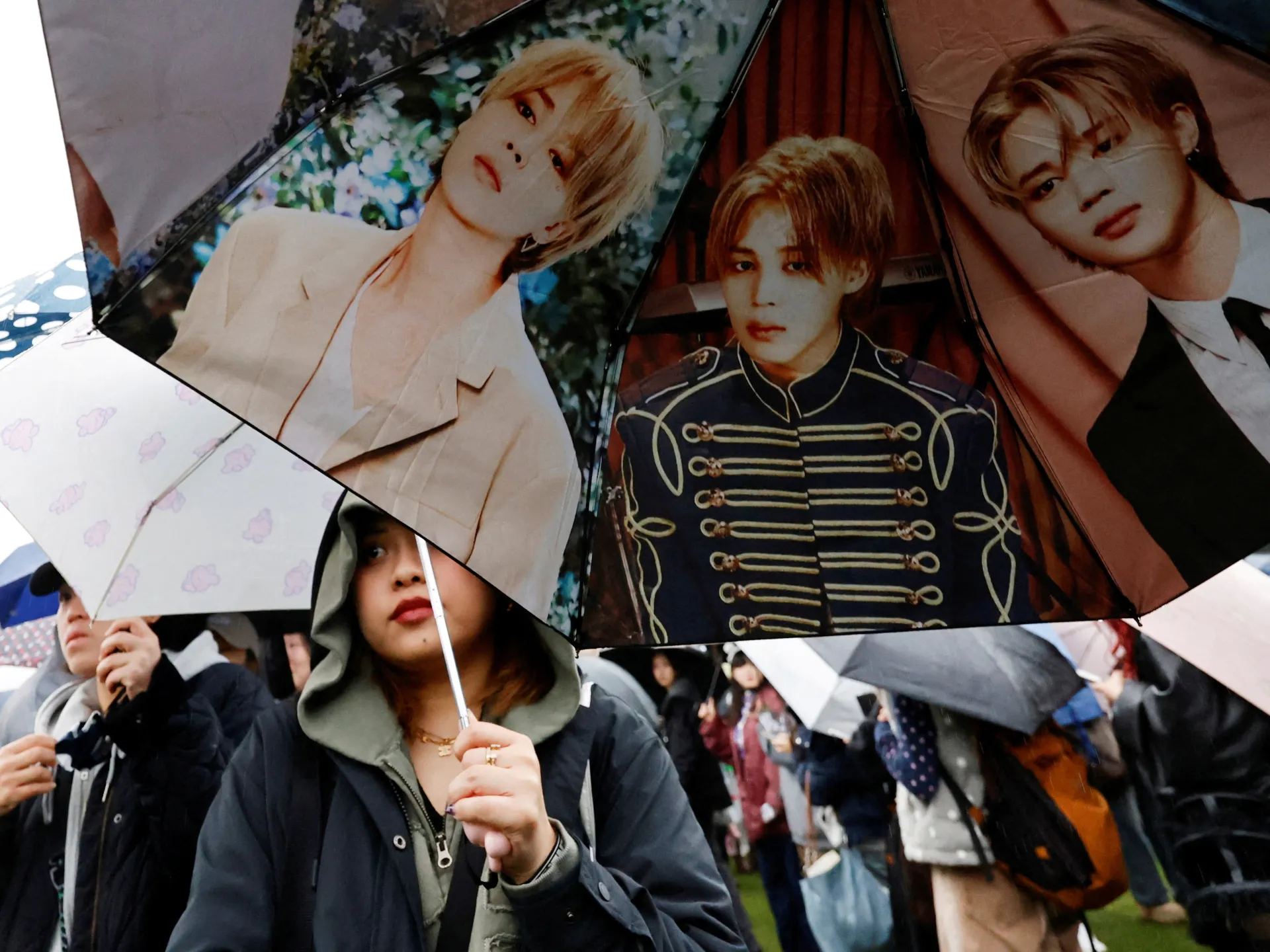

Seoul’s Gwanghwamun Square concert served as a live case study in the measurable economic potency of cultural soft power, generating an estimated ₩1.2 trillion ($798 million) in total economic impact and supporting a $1.4 billion revenue stream from a 80‑show world tour. The South Korean government’s direct fiscal outlay of roughly ₩130 million ($87,000) for logistics, coupled with a broader ₩9.6 trillion ($6.5 billion) cultural budget, demonstrates sovereign capital being deployed as a strategic catalyst rather than a mere subsidy, reinforcing the nation’s 11th‑place ranking in global soft power metrics.
Institutional support extends beyond one‑off events; the state‑backed “Hallyu 4.0” agenda targets a ₩300 trillion ($203 billion) cultural industry by 2030, with a ₩50 trillion ($34 billion) export ambition, while venture capital firms such as Hybe have secured multi‑billion‑dollar valuations underpinned by sovereign‑linked LPs seeking high‑growth creative assets. This convergence of public funding, private equity, and global distribution platforms creates a replicable template for other advanced economies seeking to monetize cultural capital.
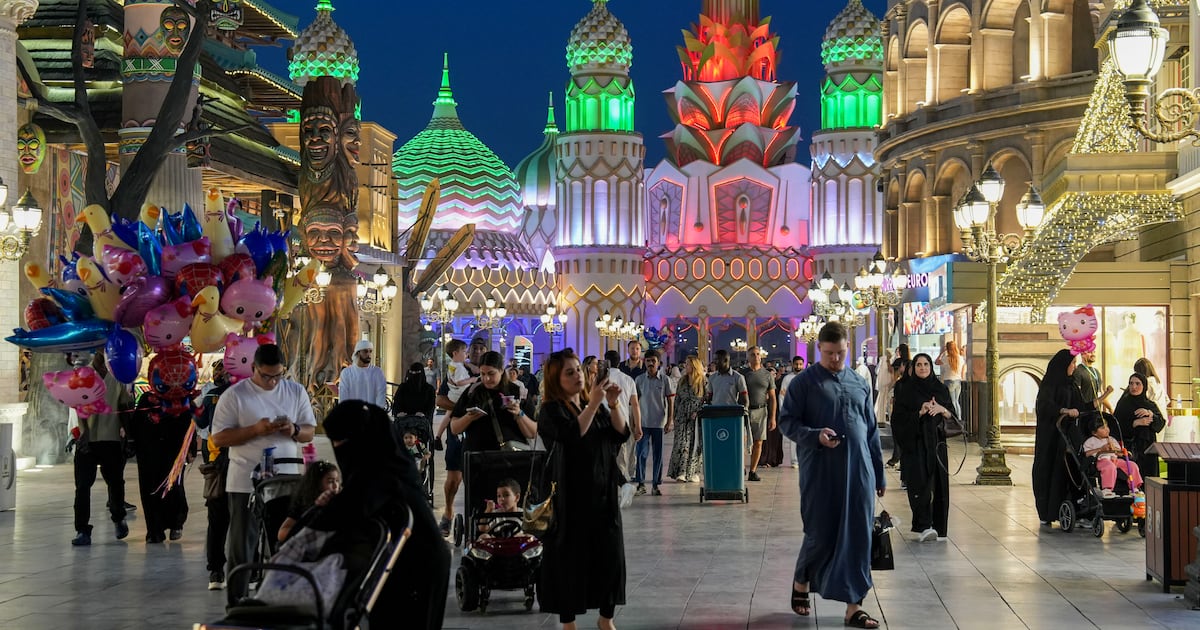
For the Middle East and North Africa, the BTS phenomenon signals a lucrative opportunity to attract sovereign wealth fund allocations toward entertainment‑focused infrastructure, including purpose‑built venues, high‑capacity broadband backbones, and streamlined visa regimes that facilitate high‑spending tourist inflows. Regional VC ecosystems can leverage the proven demand for K‑pop‑style content to seed local talent incubators, digital rights management platforms, and export‑oriented production hubs, thereby diversifying revenue streams beyond hydrocarbon dependence.
To maximize these gains, MENA governments should earmark sovereign fund capital for dedicated cultural districts, negotiate performance‑based incentives for private investors, and harmonize labor and intellectual‑property regulations to sustain a healthy creative workforce. Doing so will transform the region from a passive consumer market into an active exporter of high‑value cultural products, aligning with global soft‑power trends while driving inclusive economic diversification.