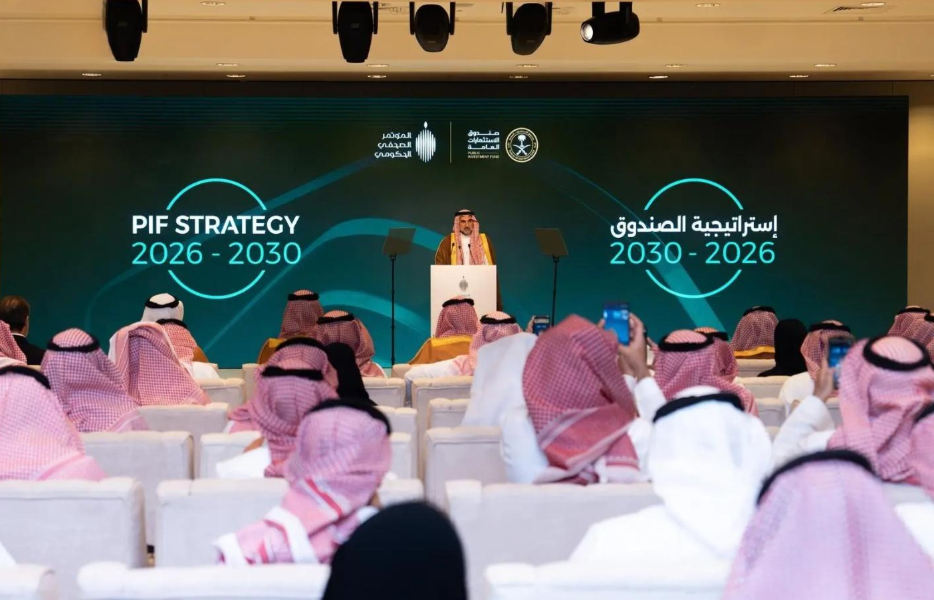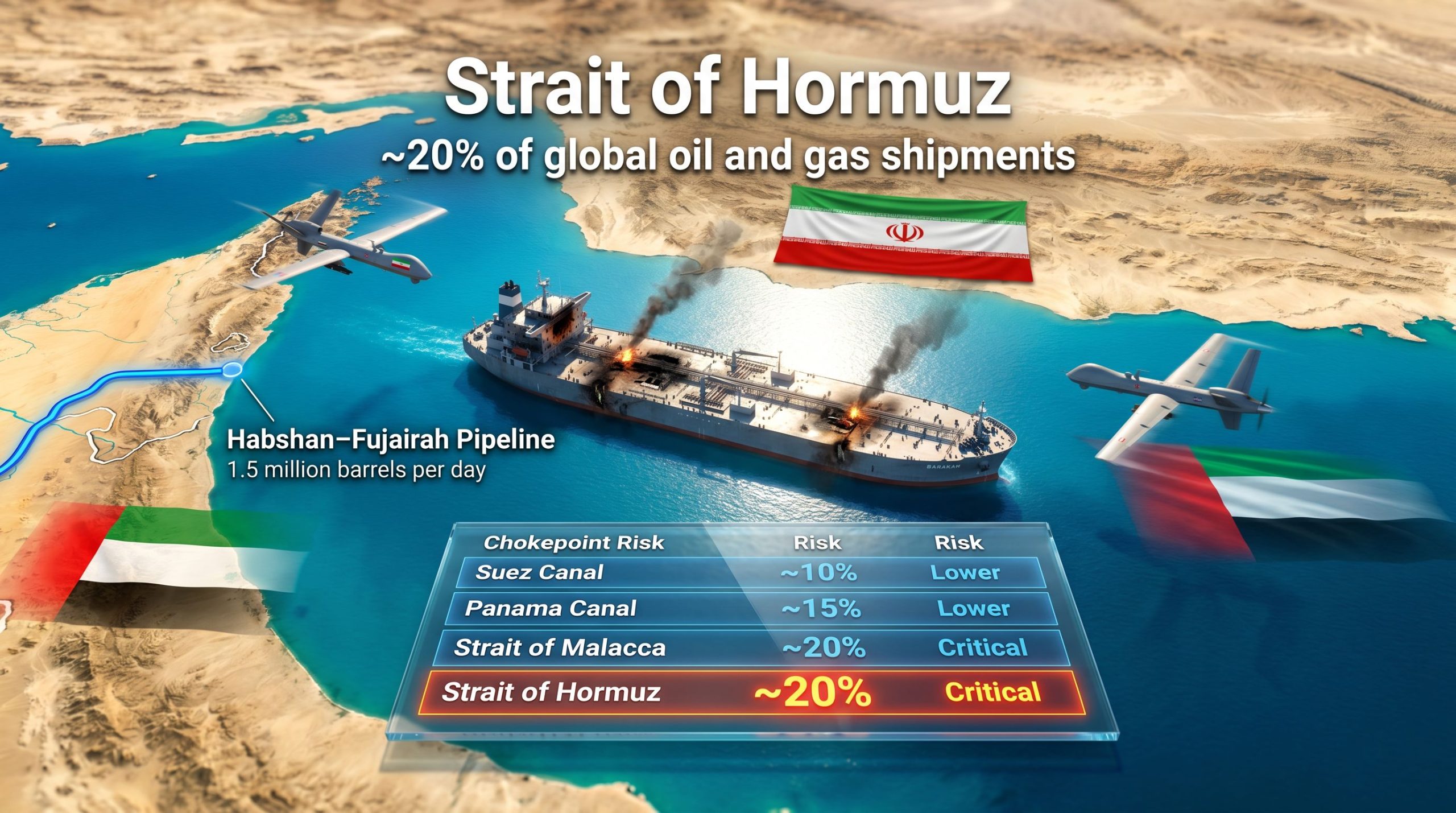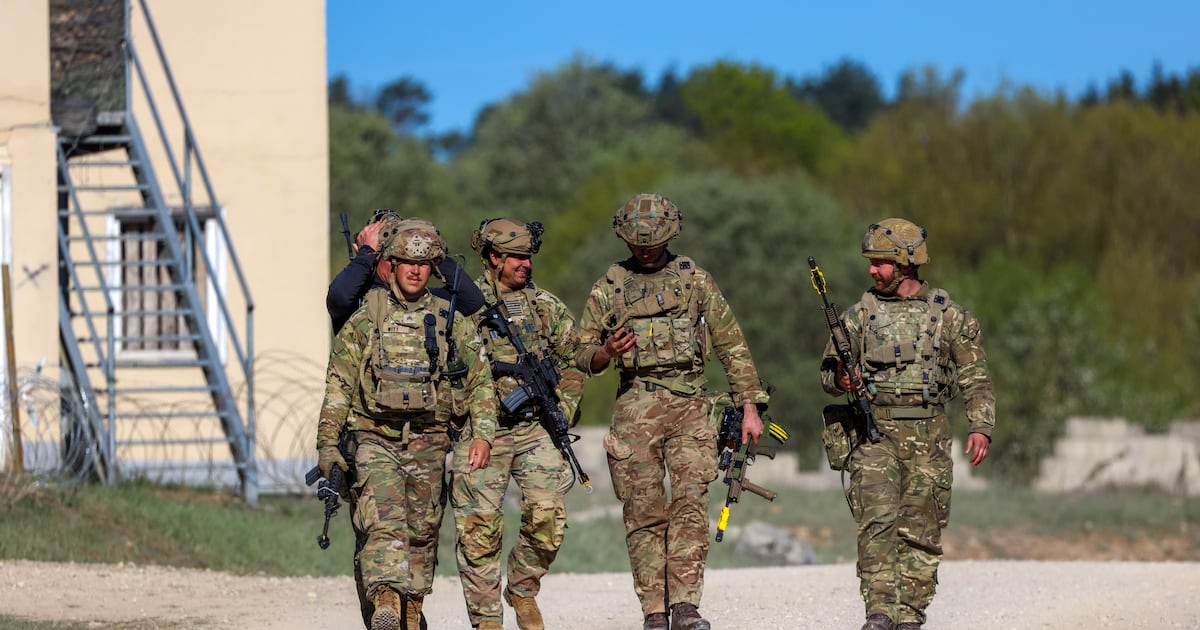

In a move that reverberates far beyond traditional NATO theaters, President Trump’s decision to withdraw 5,000 U.S. troops from Germany creates catalytic pressure for accelerated defense industrialization across the Middle East and North Africa. Saudi Arabia’s Public Investment Fund and Abu Dhabi’s Mubadala are positioned to capitalize on emerging European capability gaps, with sovereign capital increasingly directed toward indigenous defense manufacturing partnerships. The Gulf Cooperation Council states, collectively holding over $3 trillion in sovereign wealth assets, now face heightened urgency to diversify security partnerships beyond traditional Western dependencies, particularly as Strait of Hormuz disruptions underscore critical energy transit vulnerabilities affecting 30% of global seaborne petroleum trade.
The German troop reduction signals broader European rearmament momentum that MENA venture capital ecosystem is primed to capture. UAE-based technology investors have already deployed $2.8 billion across dual-use aerospace and cybersecurity ventures in 2024, with sovereign-linked funds anticipating increased European demand for Middle Eastern supply chain alternatives. Regional infrastructure modernization programs—from Egypt’s Suez Canal Economic Zone to Morocco’s automotive clusters—gain strategic relevance as European manufacturers seek to mitigate geopolitical exposure while maintaining competitive cost structures. The convergence of defense spending and digital transformation positions MENA as a critical node in emerging multipolar security architectures.
Critical infrastructure implications extend deep into energy logistics, as Gulf petrostates recalibrate contingency planning for waterway vulnerabilities that threaten $1.2 billion daily in oil transit revenue. Saudi Aramco and QatarEnergy are accelerating pipeline projects and strategic petroleum reserve expansions, while simultaneously courting European energy partners seeking supply chain resilience. The withdrawal accelerates European defense industrial cooperation with regional partners, potentially unlocking $50 billion in MENA defense procurement over the next five years as Germany increases equipment acquisition timelines and prioritizes interoperability with Gulf security forces.
Strait of Hormuz dynamics fundamentally reshape MENA investment flows, with sovereign funds increasingly allocating toward maritime security infrastructure and alternative shipping routes. Jordan’s Aqaba port development and Egypt’s Mediterranean liquefaction terminals represent strategic nodes in emerging energy trade corridors designed to circumvent traditional chokepoints. European capitals’ growing reliance on regional stability partnerships translates to expanded commercial opportunities for MENA financial institutions, as sovereign risk mitigation strategies drive demand for locally-embedded payment mechanisms and currency hedging instruments across $400 billion in annual bilateral trade flows.