
DoorDash’s recent unveiling of AI-powered merchant tools represents a pivotal moment for the global food delivery ecosystem, with significant implications for the Middle East and North Africa region’s rapidly digitizing economy. The platform’s automated onboarding capabilities, which enable merchants to instantly generate complete storefronts by simply providing a website URL, directly addresses the operational friction that has historically constrained small and medium enterprises from participating in digital marketplace ecosystems. This technological leap—allowing for immediate conversion rates of nearly 10% in pilot tests—signals a broader shift toward algorithmic commerce that could accelerate adoption curves across MENA’s emerging digital economies, where smartphone penetration exceeds 70% but merchant digitization lags substantially.
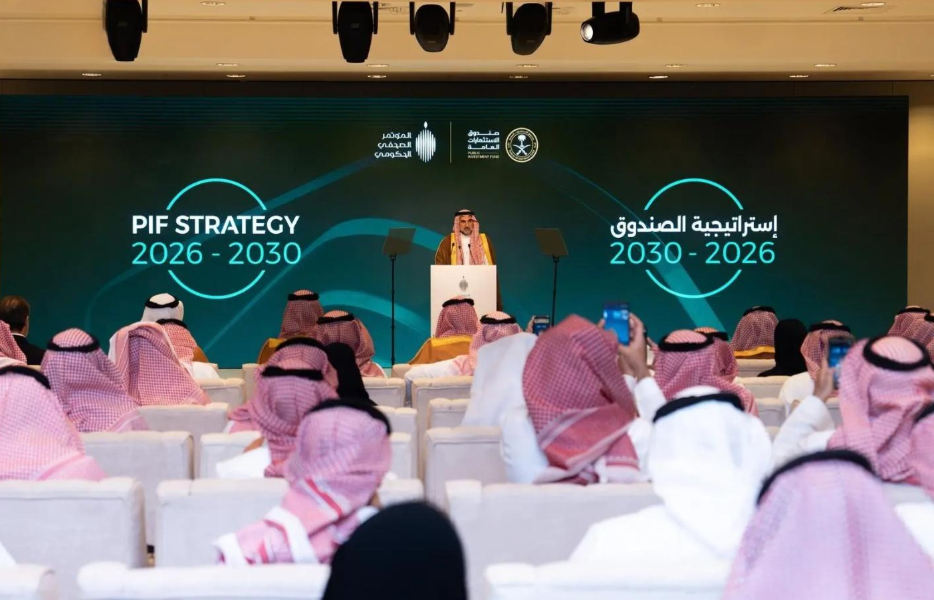
The strategic implications extend deeply into the region’s sovereign capital deployment strategies, particularly as Gulf Cooperation Council states continue allocating billions toward economic diversification initiatives. With Saudi Arabia’s Public Investment Fund and UAE’s Mubadala actively investing in food tech and logistics infrastructure, DoorDash’s enhanced commerce platform offers a proven blueprint for state-backed ventures seeking to monetize digital marketplace opportunities. The platform’s website generation feature, which transforms existing DoorDash listings into standalone e-commerce properties, aligns with Vision 2030’s localization objectives while simultaneously creating revenue streams that could attract further sovereign investment flows. Additionally, the video tagging functionality and automated marketing campaign builders present compelling arguments for venture capital allocation to regional AgriTech and FoodTech startups aiming to integrate similar capabilities.
From an infrastructure perspective, these developments underscore the critical need for MENA’s telecommunications operators and cloud service providers to upgrade their edge computing capabilities to support real-time AI processing at scale. The region’s growing fintech and delivery economy—currently processing over $12 billion in annual transactions—relies increasingly on low-latency AI services for inventory management, dynamic pricing, and customer personalization. As DoorDash’s photo enhancement tools demonstrate, even seemingly simple computer vision applications demand substantial computational resources when deployed across thousands of concurrent merchants. This creates a multiplier effect benefiting regional infrastructure providers, though it also intensifies competition among them to offer specialized AI-as-a-service solutions tailored to food commerce verticals.
The competitive landscape is poised for further consolidation as local players across the MENA region, from Zakaria in Saudi Arabia to HungerStation in Egypt, face mounting pressure to match platform capabilities without equivalent capital commitments. DoorDash’s innovations effectively lower barriers to entry for consumers seeking premium restaurant experiences while simultaneously raising the technological bar for existing market participants. This dynamic favors well-capitalized entrants and reinforces the likelihood that we’ll witness increased merger and acquisition activity involving regional food delivery platforms, as standalone operators struggle to justify the technology investments required to maintain competitive parity in an increasingly AI-driven marketplace ecosystem.