
The Academy of Motion Picture Arts and Sciences’ Friday issuance of binding generative AI usage rules for the 99th Oscars carries far-reaching implications for the Middle East and North Africa’s (MENA) $27bn creative technology sector, which has drawn sustained backing from regional sovereign wealth funds (SWFs) and venture capital (VC) allocators seeking to position the bloc as a global hub for compliant, ethically governed AI content production. The new regulations, which restrict all eligible performances to human-credited, consented roles and mandate human authorship for all qualifying screenplays, grant the Academy unilateral authority to audit AI deployment across submitted films—a regulatory benchmark that aligns with MENA’s own push to standardize AI governance across its rapidly expanding digital infrastructure. These rules come amid heightened global friction over generative AI in creative industries, including the 2023 Hollywood actors’ and writers’ strikes over AI labor displacement, high-profile experimental projects such as an upcoming independent film using an AI-generated version of Val Kilmer, and rising rejections of AI-authored works by major awards bodies and publishers, including a recent horror novel pulled by its publisher over undeclared AI usage.
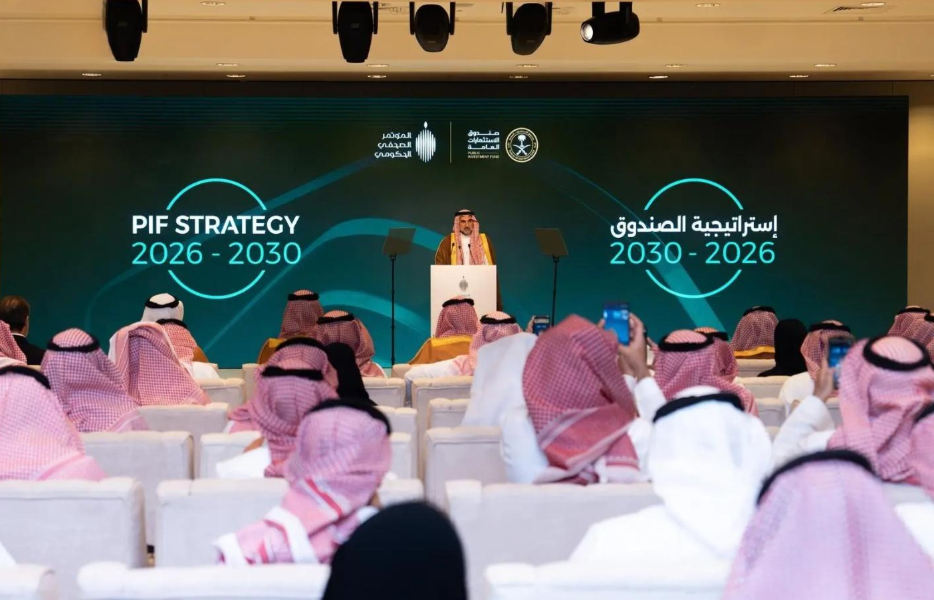
MENA SWFs, which hold combined assets under management exceeding $3.8trn, have allocated more than $14bn to generative AI and creative tech startups since 2023, with a growing share of capital directed to tools that augment human creative labor rather than replace it—a strategic priority now validated by the Academy’s human-centric eligibility mandates. Funds including Saudi Arabia’s Public Investment Fund (PIF), Abu Dhabi’s ADQ, and Qatar Investment Authority have already integrated the Oscars’ compliance standards into due diligence for portfolio companies building virtual production platforms, AI script-assist tools, and digital avatar technologies, reducing regulatory risk for these investments as global content buyers increasingly prioritize ethically sourced, awards-eligible IP. Regional VC flows into creative AI startups hit a record $5.1bn in 2025, per MENA Venture Capital Association data, with lead investors such as UAE-based VentureSouq and Saudi STV now requiring startup applicants to demonstrate clear human authorship protocols and consent frameworks congruent with the Academy’s rules to secure funding.
Regional infrastructure allocations are shifting in lockstep with the new regulatory landscape. Purpose-built content zones across the Gulf, including Dubai Studio City, NEOM’s Oxagon media hub, and Abu Dhabi’s twofour54, have updated tenant guidelines to mandate full AI usage disclosures for all productions, a move that streamlines eligibility for global awards and protects sovereign-backed content investments from reputational and compliance risk. These zones are also expanding high-performance computing (HPC) capacity to support local development of proprietary, human-centric AI models that meet both regional regulatory requirements and global awards body standards, part of a broader $22bn regional digital infrastructure spend under national transformation plans including Saudi Vision 2030 and the UAE National AI Strategy 2031. External trends, including the rising prominence of AI-generated “actors” such as Tilly Norwood and public backlash to unregulated video generation models, have further accelerated MENA regulators’ efforts to draft regional AI content guidelines that mirror the Academy’s emphasis on human consent and authorship, ensuring the bloc’s creative output remains competitive in global markets.