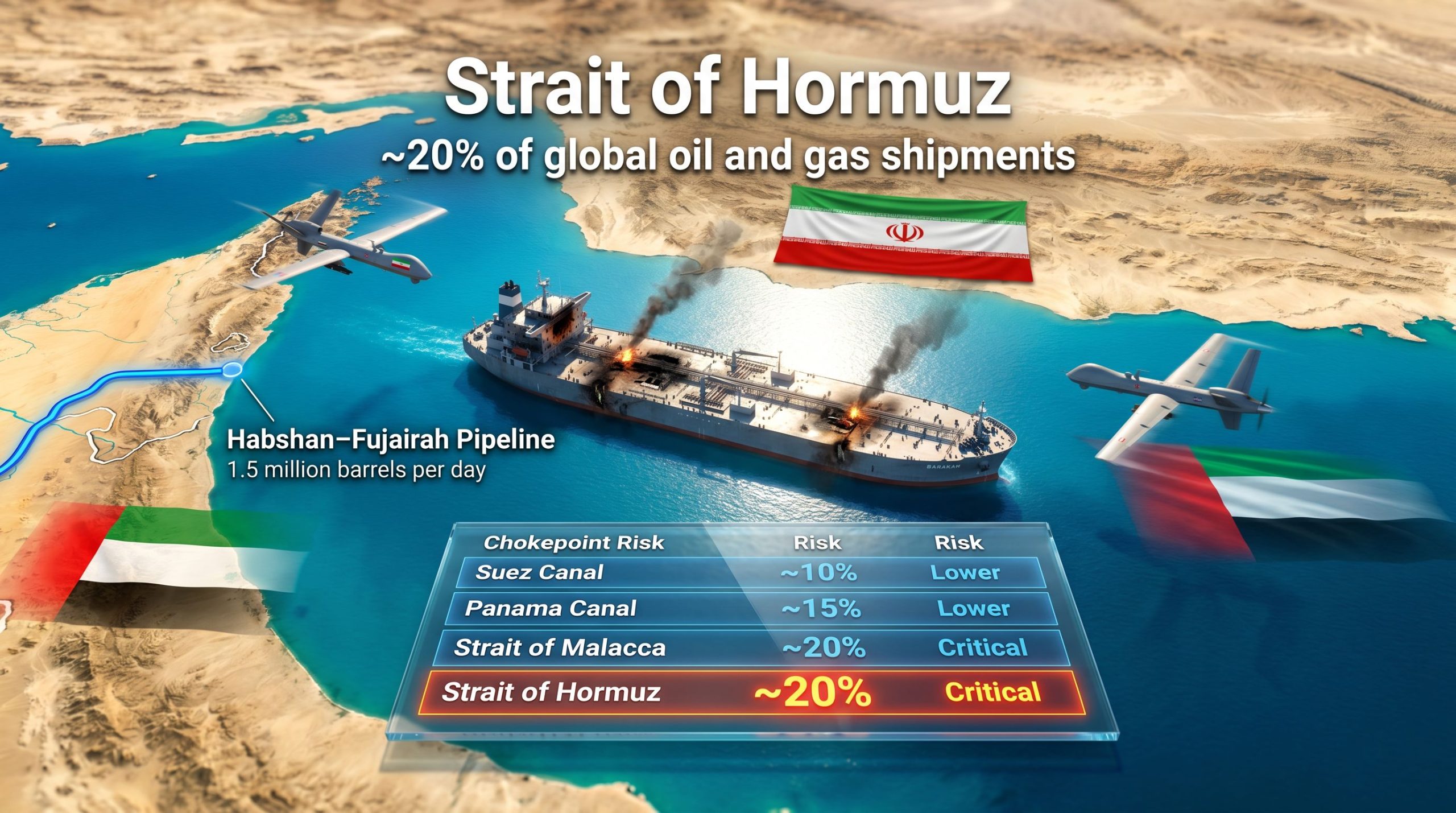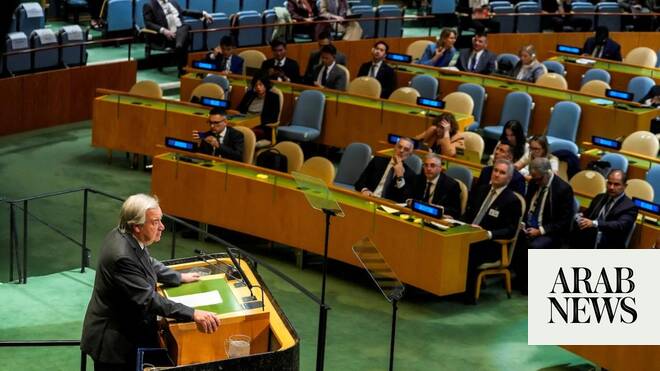

The diplomatic rupture over Iran’s nuclear posture has escalated from multilateral forum into a structural fault line for MENA capital formation and sovereign balance sheet management. As Tehran and Washington lock horns at the United Nations over treaty credibility and compliance governance, the spillover is redefining risk pricing across Gulf balance sheets and reshaping the mandate of sovereign wealth vehicles from return optimization to geopolitical resilience. For regional treasuries in Riyadh, Abu Dhabi and Doha, the effective weaponization of non-proliferation oversight translates into tighter primary market access, elevated hedging costs for long-duration liabilities and an accelerated pivot toward onshore liquidity buffers and non-dollar settlement rails that can withstand extraterritorial enforcement shocks.
Venture and growth capital allocations are being recalibrated with a sharper focus on sovereign-backed champions capable of operating under heightened technology and supply-chain scrutiny. Limited partner committees are narrowing mandates to sectors insulated from dual-use exposure—semiconductor alternatives, climate-tech, defense-tech adjacent infrastructure—while redeploying dry powder into platforms anchored by GCC anchor investors and multilaterals that can absorb compliance overhang. The recalibration rewards scale and governance at the expense of purely commercial upside, privileging capital stacks backed by central bank co-investment or strategic sovereign mandates and pushing smaller, VC-dependent plays into consolidation or capital rationing until regulatory clarity emerges.
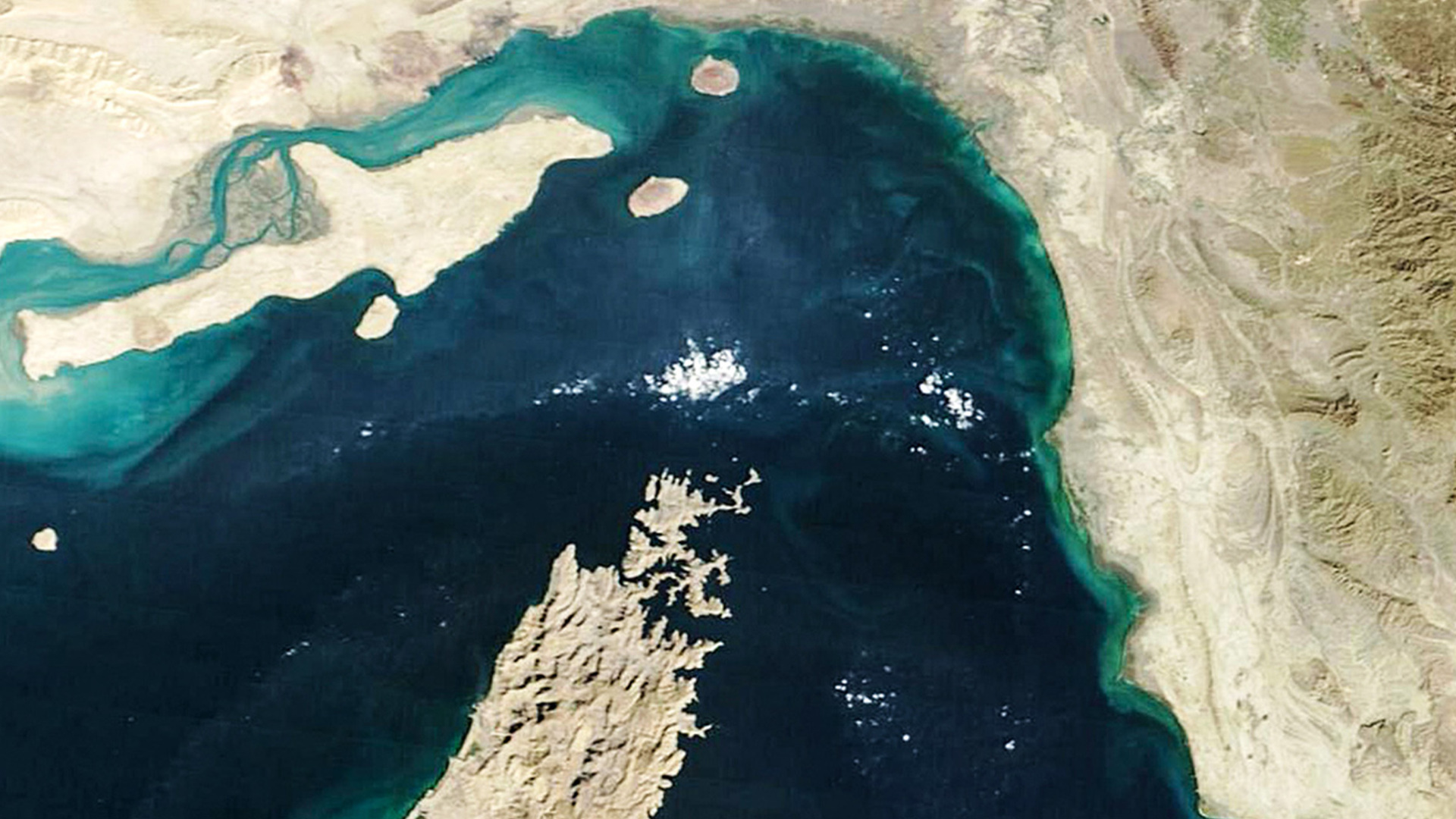
Infrastructure investment theses are pivoting from pure throughput expansion to resilience and redundancy, with corridor projects—ports, grids, interregional connectivity—being stress-tested against maritime and financial chokepoints. Capital is gravitating toward schemes that de-risk logistics through sovereign guarantees, alternative trade finance pools and integrated industrial zones designed to internalize supply-chain volatility. The net effect is a bifurcation of regional infrastructure capital: high-confidence, state-backed megaprojects command lower risk premia and institutional leverage, while exposed or concession-driven assets face repricing. In this environment, MENA sovereign capital is not merely reacting to proliferation risk but actively rewiring the region’s financial architecture to ensure strategic autonomy outlasts episodic diplomatic crises.