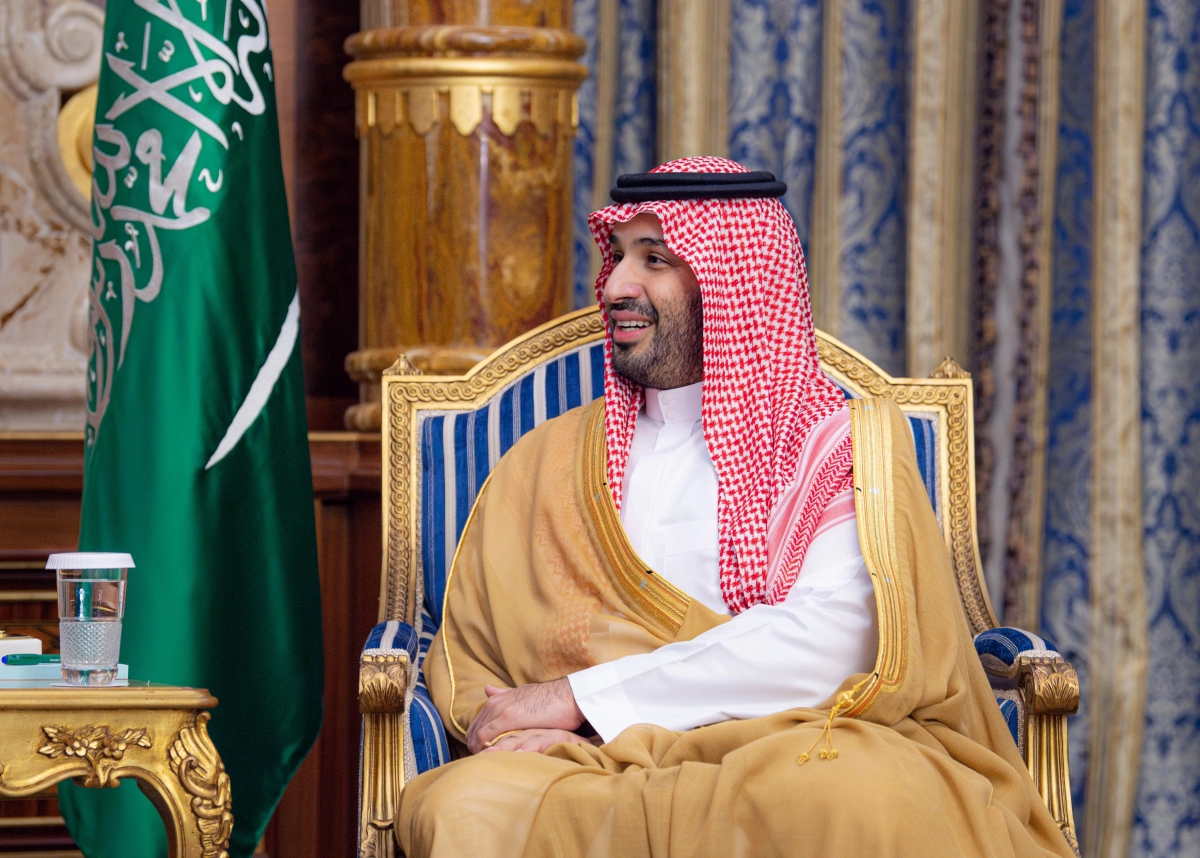

Saudi Arabia’s Vision 2030, the cornerstone of Crown Prince Mohammed bin Salman’s economic overhaul, is entering a pivotal third phase that underscores a calculated pivot toward self-reliance and global competitiveness. As the Kingdom transitions from a resource-dependent economy to a diversified powerhouse, the program’s emphasis on strategic fiscal discipline and agile governance has attracted $230 billion in sovereign capital commitments since its inception. Central to this transformation is the Public Investment Fund (PIF), which has emerged as the region’s most aggressive state-backed investor, channeling $110 billion annually into sectors ranging from renewable energy to artificial intelligence. The initiative’s success in mobilizing domestic and international capital signals a seismic shift in how Gulf states leverage their financial clout to drive structural reforms amid geopolitical volatility.
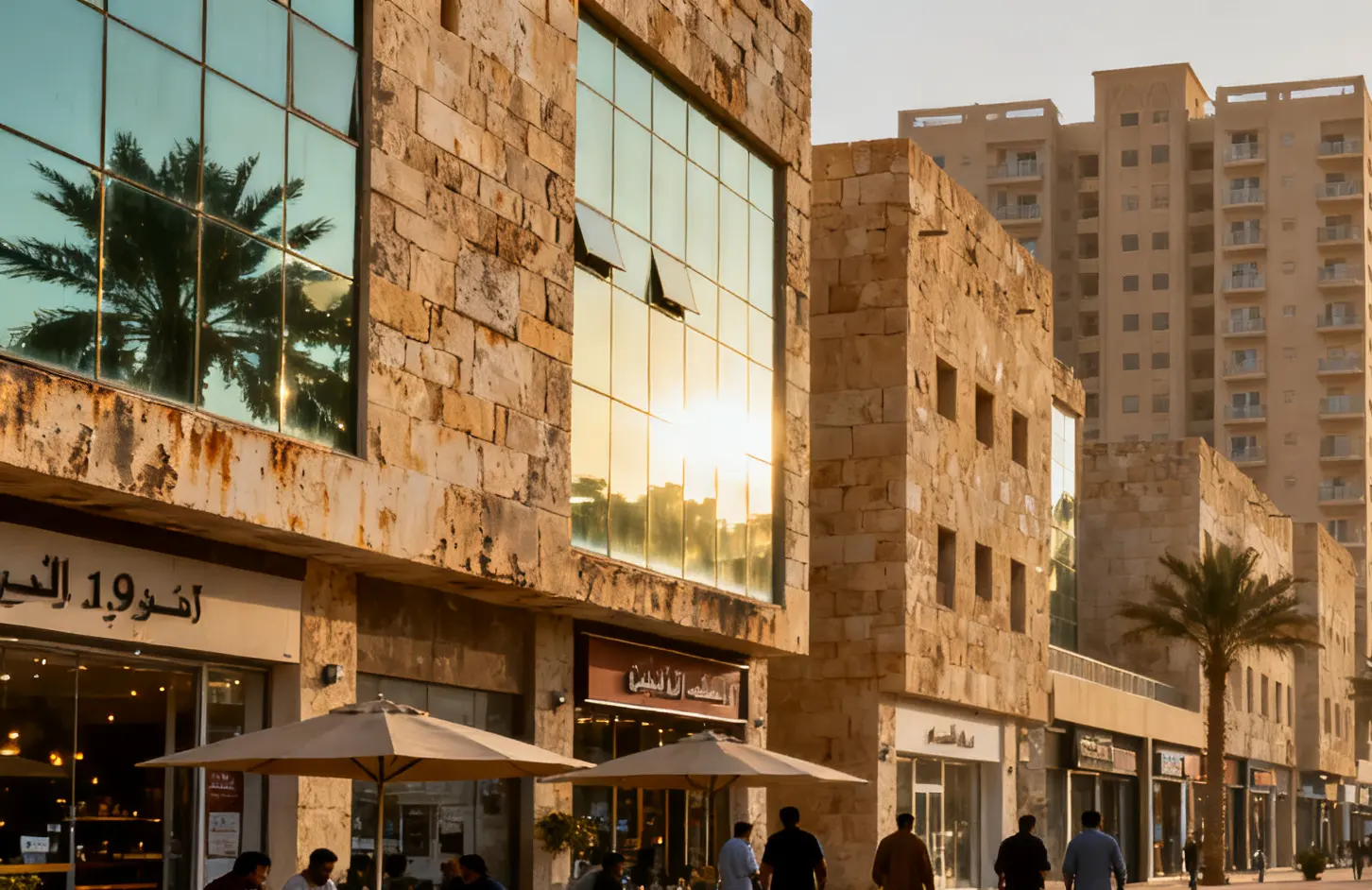
The program’s ripple effects extend beyond Riyadh’s borders, recalibrating regional financial dynamics. Vision 2030 has intensified competition among Gulf monarchies to position themselves as next-generation economic hubs, with Saudi Arabia vying against the UAE’s diversification efforts and Qatar’s infrastructure-driven expansion. The Kingdom’s $500 billion NEOM megaproject alone represents a bold bet on becoming a global technology and logistics nexus, attracting $15 billion in foreign direct investment in 2023. This infrastructure push is bolstering MENA’s appeal as a crossroads for emerging markets, with Saudi Arabia’s $90 billion renewable energy agenda poised to anchor a regional green economy. Venture capital inflows, which hit $3.8 billion in 2023, reflect growing confidence in the Kingdom’s startup ecosystem, particularly in fintech and e-commerce, sectors aligned with its youthful demographic dividend.
Yet the vision’s success hinges on its ability to translate rhetoric into tangible returns. While the non-oil sector now contributes 54% of GDP—a 12-percentage-point rise since 2016—critics argue that job creation for Saudi nationals remains uneven. The Crown Prince’s emphasis on human capital development, including a $10 billion annual training budget, targets a private-sector workforce that currently employs just 22% of Saudis. Infrastructure projects, from the $12 billion Riyadh Metro to the King Salman Park, are expected to generate 250,000 jobs by 2030, but the Kingdom must navigate inflationary pressures and global supply-chain bottlenecks to maintain momentum. Regional analysts note that while Saudi Arabia’s giga-projects are transformational, their success will depend on pragmatic execution and sustained foreign partnerships.
Looking ahead, Vision 2030’s third phase faces the challenge of consolidating gains while adapting to evolving global risks. The Kingdom’s push to list state assets, including a potential $200 billion IPO of Aramco, could redefine energy markets and sovereign wealth strategies across MENA. For investors, Saudi Arabia’s trajectory offers a litmus test for the region’s broader transition from rentier economies to innovation-driven markets. The Crown Prince’s assertion that “Saudi men and women” are the “most important investment” signals a doubling down on social reforms, which remain critical to ensuring political stability as economic liberalization accelerates. If successful, Vision 2030 could establish a template for autocratic modernization in an era of accelerating global uncertainty.