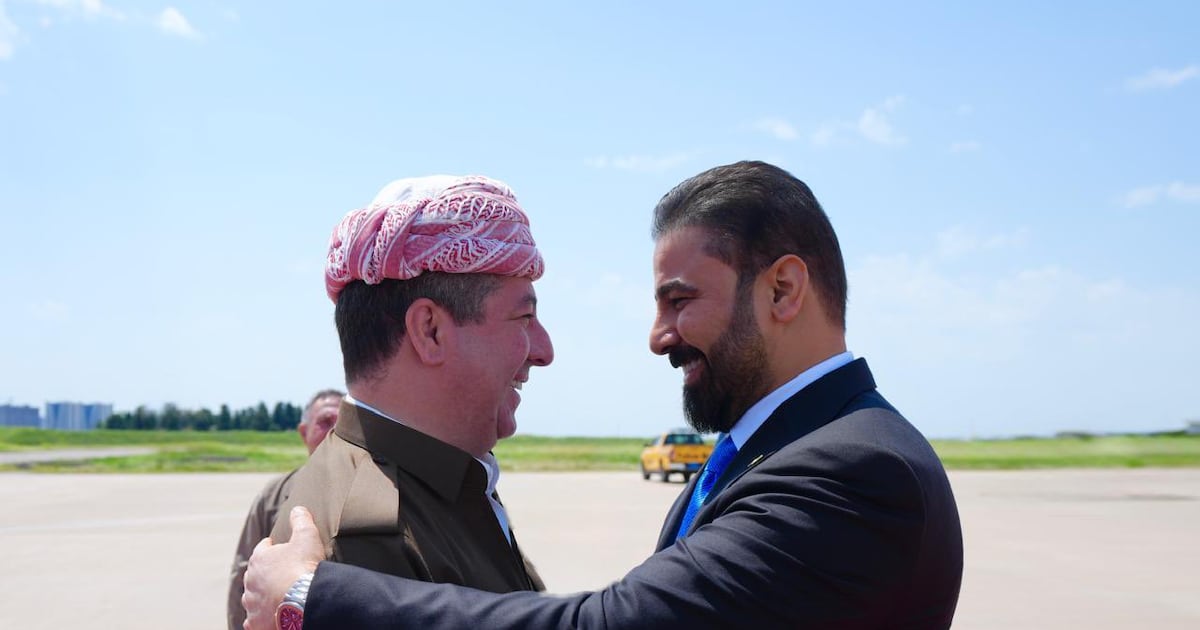

Prime‑minister designate Ali Al Zaidi’s arrival in Erbil signals a decisive shift in Iraq’s stalled coalition negotiations, a development that carries considerable weight for the MENA investment landscape. Al Zaidi, a seasoned dealmaker with a track record of cross‑border infrastructure projects but no prior political office, was thrust into the role by the Co‑ordination Framework, Iraq’s largest parliamentary bloc. His mandate is to consolidate a cabinet that satisfies Baghdad’s federal ministries, Kurdish autonomists, and the diverse coalition of religious and ethnic groups—all within a constitutional 30‑day window. The speed of this process is critical; a timely formation will reinforce investor confidence in Iraq’s sovereign credit, which has hovered at the cusp of a more favorable rating following recent fiscal reforms.
For sovereign capital markets, the intervening months’ deadlock had already eroded trust in Iraq’s governance structure, leaving sovereign bonds priced at a steep risk premium. Al Zaidi’s appointment is therefore viewed as a stabilising pivot that could prompt a recalibration of the country’s debt profile, potentially easing access to high‑yield borrower markets and unlocking new sovereign bond issues. Moreover, a coherent federal government will be better positioned to negotiate long‑term public‑private partnership (PPP) deals and public investment packages that are essential for the region’s critical infrastructure—transport corridors, energy pipelines, and digital networks that underpin connectivity across the Gulf and beyond.
The Kurdistan Regional Government’s (KRG) cautious acceptance of Al Zaidi is equally consequential for venture capital flows in the region. The KRG has long been a magnet for technology startups and renewable energy ventures, drawing firms with the promise of a relatively autonomous regulatory environment. The new government’s potential to honour negotiated fiscal allocations—particularly the contentious budgetary transfers and territorial tax regimes—could remove a major friction point. An environment that respects Kurdish constitutional rights while retaining a robust federal framework is essential to secure the confidence of diaspora‑led venture funds that have historically been wary of the political volatility that undermines exit strategies.
In sum, Al Zaidi’s rapid cabinet formation is poised to realign Iraq’s sovereign risk profile, enhance the viability of large‑scale infrastructure projects, and create a more hospitable climate for regional venture capital. If executed with the promised “deal‑making spirit,” this new government could set a foundation for inclusive growth that benefits Iraq, the KRG, and the wider MENA economy, reinforcing the region’s position as a strategic hub for innovation and investment.