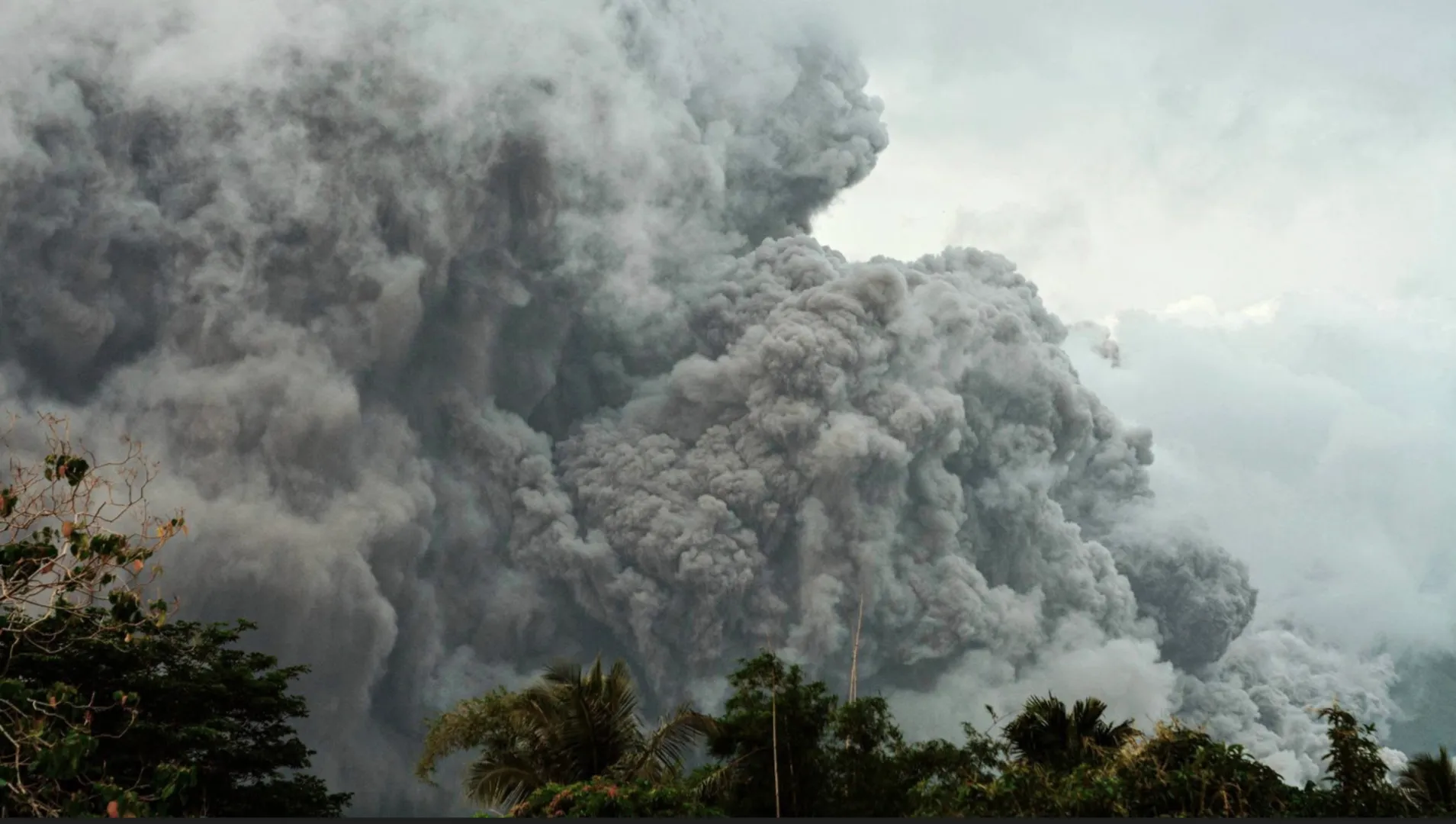

The abrupt eruption of Mayon Volcano has exposed the vulnerability of supply‑chain networks that underpin critical sectors across the Middle East and North Africa, particularly tourism, agribusiness and logistics. Immediate flight cancellations and the temporary shutdown of regional airports echo the cascading disruptions seen in previous geophysical events, while the displacement of thousands threatens labor availability in key export industries. For MENA sovereign funds, the incident underscores the necessity of incorporating climate‑risk metrics into portfolio assessments, prompting a reassessment of exposure to tourism‑dependent assets and the acceleration of diversification into resilient infrastructure projects.
In the wake of such a disaster, sovereign capital has become the primary engine for emergency response and longer‑term reconstruction, a dynamic that aligns with the strategic priorities of Gulf and Egyptian wealth funds. The deployment of billions of dollars from sovereign investment entities into disaster‑relief operations and subsequent rebuilding contracts creates a market for large‑scale engineering firms, steel producers, and construction financiers. Moreover, the presence of robust sovereign balance sheets bolsters confidence among multilateral lenders, facilitating the issuance of catastrophe‑linked bonds that can be channeled into regional resilience programs, thereby reinforcing fiscal stability in the face of escalating climate volatility.
Venture capital firms operating in the MENA region are poised to capitalize on the heightened demand for technology‑driven disaster mitigation solutions. Start‑ups specializing in real‑time volcanic monitoring, AI‑enhanced risk modelling, and resilient urban planning have attracted significant inflows, reflecting a broader shift toward climate‑tech investment within the ecosystem. The influx of VC funding is expected to intensify, as investors seek scalable models that can be replicated across volatile geographies, while also delivering measurable returns through reduced operational downtime and enhanced public‑private partnerships in infrastructure modernization.
Infrastructure development throughout the Middle East and North Africa—ranging from the expansion of the Suez Canal corridor to the rollout of renewable‑energy grids and high‑speed rail links—faces mounting pressure to incorporate disaster‑resilient design. The Mayon eruption serves as a cautionary benchmark, compelling engineers and planners to embed seismic and volcanic safeguards into new projects, thereby increasing capital expenditures but also opening avenues for specialized financing and insurance products. Consequently, regional infrastructure funds are likely to prioritize resilience as a core criterion, influencing the allocation of sovereign and private capital across the coming decade.