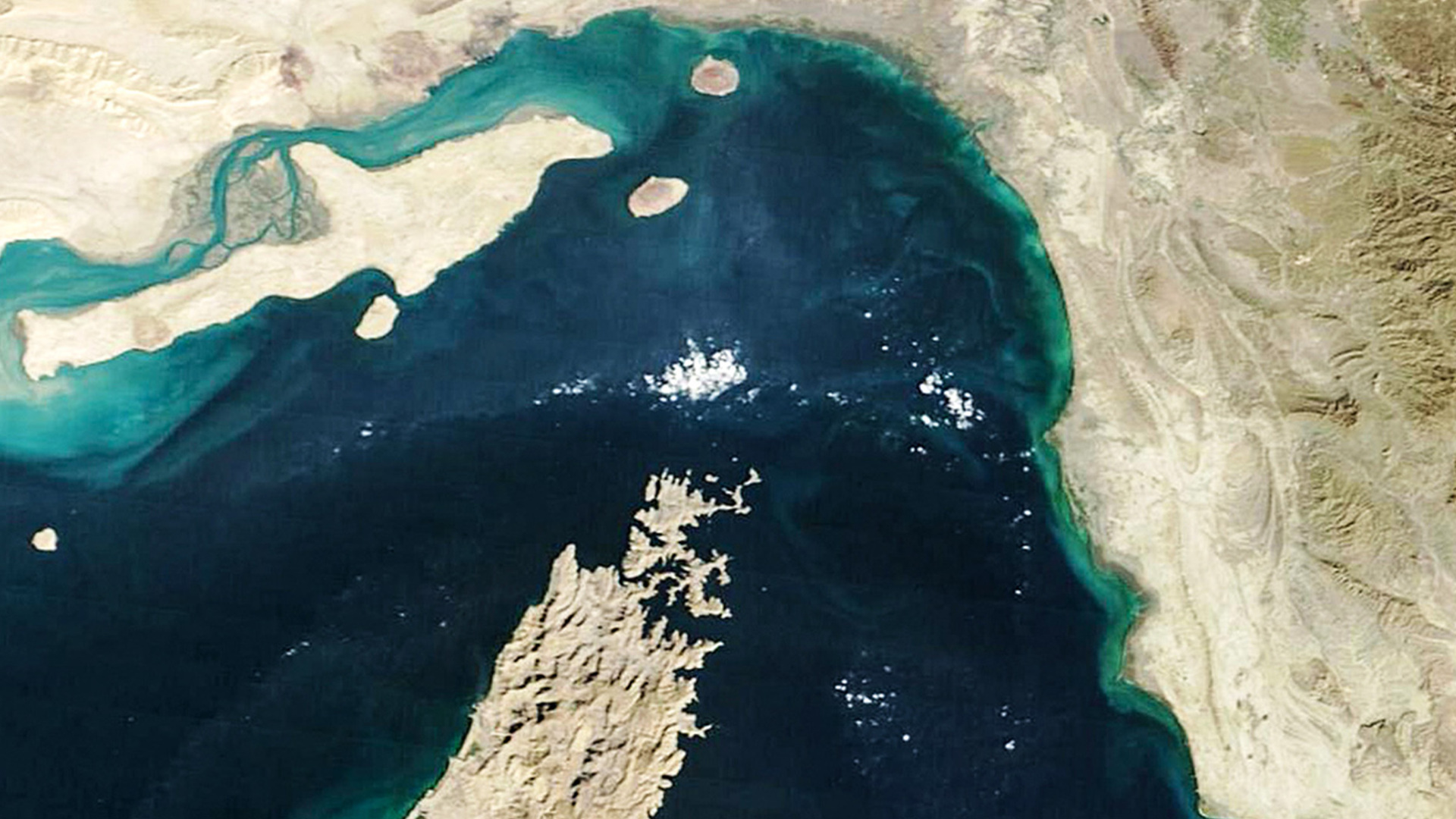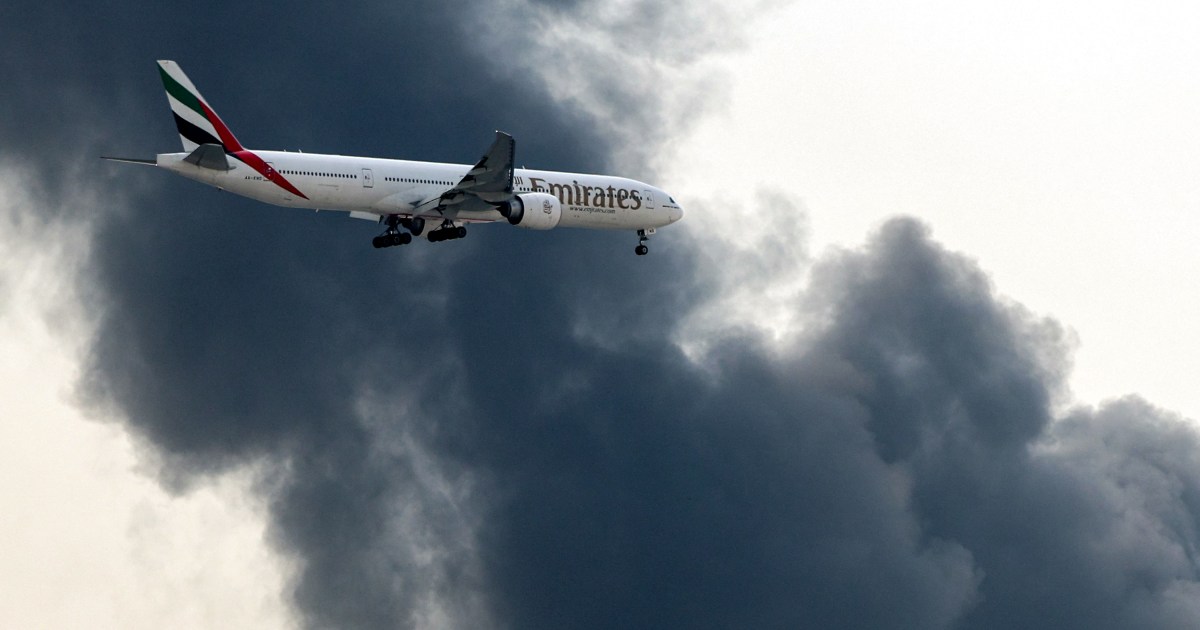

The lifting of airspace restrictions across the Middle East by the UAE signals a critical turning point for the region’s aviation sector, with profound implications for business continuity, economic recovery, and long-term strategic positioning. The United Arab Emirates’ decision to resume full operations in Dubaiand Abu Dhabi airspace—home to two of the world’s most dynamic aviation hubs—underscores the sector’s resilience and its role as a linchpin for regional and global connectivity. This development comes after a period of severe disruption caused by the US-Israel conflict with Iran, which forced the closure of airspace across eight nations, including key transit routes for long-haul flights between Europe and Asia. The reopening not only alleviates logistical bottlenecks but also reinstates the UAE’s status as a pivotal node in global air travel, directly bolstering trade, tourism, and corporate mobility. For businesses reliant on transcontinental supply chains, the restoration of air connectivity is a lifeline, enabling faster shipment of goods and fostering cross-border collaboration. Meanwhile, the sector’s recovery highlights the Middle East’s growing emphasis on diversifying economies beyond fossil fuels, with aviation and tourism playing central roles in post-conflict resurgence.
The conflict’s economic ramifications extended far beyond aviation, straining sovereign capital reserves and prompting governments to reassess investment priorities. The UAE’s temporary suspension of flights and the associated operational costs for carriers like Emirates and Etihad illustrate the financial vulnerability of state-owned enterprises during geopolitical crises. While the region has historically relied on oil revenues to buffer such shocks, the current scenario demands a recalibration of fiscal strategies to fund airspace security upgrades, infrastructure modernization, and crisis response mechanisms. Sovereign capital is now being redirected toward strengthening regional aviation frameworks, including the expansion of airports, the adoption of advanced air traffic control systems, and investments in alternative energy sources for aviation. This shift reflects a broader recognition that economic stability in the MENA region is inextricably linked to the reliability of its transport networks, necessitating state-led interventions to mitigate future disruptions.
Venture capital and private sector innovation are poised to benefit from the aviation sector’s recovery, as the reopening of airspace unlocks new opportunities for technological disruption and entrepreneurial ventures. The conflict’s disruption of regional air traffic has exposed gaps in digital infrastructure, such as the need for real-time data sharing between airlines, air traffic control, and security agencies. This crisis has amplified interest in startups developing AI-driven logistics solutions, satellite-based navigation systems, and cybersecurity platforms tailored for aviation. As governments and private investors seek to future-proof the region’s transport networks, venture capital flows are expected to surge into sectors like fintech, mobility-as-a-service, and smart airport technologies. The UAE’s proactive approach to reopening airspace could catalyze a wave of investment in regional innovation hubs, particularly in cities like Dubai and Riyadh, where venture capital ecosystems are already gaining momentum.
Regional infrastructure development will emerge as a cornerstone of the Middle East’s post-conflict recovery, with the aviation sector serving as a catalyst for broader economic transformation. The reopening of airspace necessitates coordinated investments in airport capacity expansion, particularly in high-traffic hubs like Dubai International and Hamad International. These upgrades will not only alleviate congestion but also position the region as a preferred gateway for global travel and trade. Furthermore, the crisis has highlighted the urgency of regional collaboration to establish shared security protocols, emergency response frameworks, and cross-border corridors that minimize disruptions during future geopolitical tensions. As the UAE and its Gulf neighbors rebuild, the aviation sector’s resurgence will drive demand for integrated infrastructure solutions, from energy-efficient airport systems to logistics networks that support both passenger and cargo growth, ensuring the MENA region remains a critical node in the global economy.