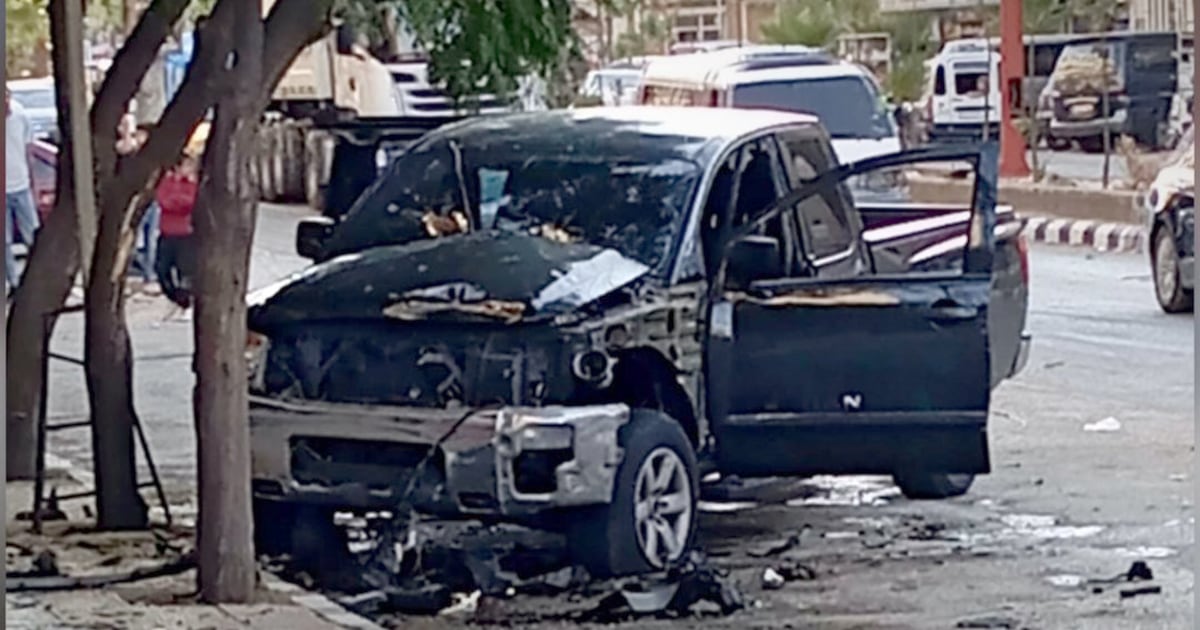

In a recent incident near the Sayyida Zaynab shrine in southern Damascus, a prominent Syrian Shiite cleric was killed when a hand grenade detonated during a Friday sermon. The explosion was attributed to a militant deployment, and while the death toll remains limited to the preacher himself, the event underscores the persistent insecurity surrounding key cultural and religious sites in post‑regime Syria.
The shrine, long protected by Iran‑backed militias until their retreat in December after the March 2024 uprising, remains a focal point for sectarian dynamics. Its symbolic significance—claimed to house the tomb of the Prophet Mohammed’s granddaughter—makes it a strategic asset for any entity seeking influence in the region. The authorities have launched an inquiry, but the prior pattern of attacks, including the 2016 ISIS‑claimed suicide bombing that claimed 134 lives, suggests that the security vacuum persists, potentially inviting further foreign or proxy interventions.
From a business perspective, the incident signals heightened risk for foreign investment in Syria’s fragile market. Sovereign risk is being reevaluated as reconstruction efforts unfold, especially given the involvement of state‑backed militias in key economic nodes. Venture capital activity, which has already been cautious, may see a tightening of funding thresholds for projects tied to contested territories or sectarian enclaves, as risk assessment models incorporate the likelihood of militant disruption.
Regionally, the attack dovetails with ongoing geopolitical recalibrations. Infrastructure projects aimed at revitalising transport, utilities and industrial zones—already stalled by conflict— face an additional layer of uncertainty. Multilateral funding bodies, including the IMF and the World Bank, are likely to impose stricter governance and security clauses in future financial instruments, while private equity firms may steer capital toward autonomous zones less exposed to militia influence. The episode thus reaffirms the need for robust security frameworks and transparent governance to unlock the Middle East and North Africa’s latent economic potential.