
The evolving strategic calculus in the Middle East and North Africa is being fundamentally reshaped by recent developments in US military financing and arms transfers. The United States, leveraging its diplomatic leverage with the State Department, has demonstrated a capacity to bypass established legislative protocols in favor of expedited procurement. This shift reinforces the imperative for sovereign capital markets and sovereign wealth funds to mobilize resources swiftly, reflecting a broader recalibration of supply chain dependencies across the region.
Sovereign investors are increasingly pressured to align procurement strategies with immediate national security imperatives, particularly as traditional financing channels face heightened regulatory scrutiny. This acceleration has catalyzed a surge in transaction volumes involving emergency capital flows, as Gulf states and allied governments seek to offset dwindling US arms reserves and protect their strategic interests. The influx of sovereign capital not only bolsters defensive postures but also signals a deeper dependency on centralized financing mechanisms, which reverberates through market indicators and investor confidence.
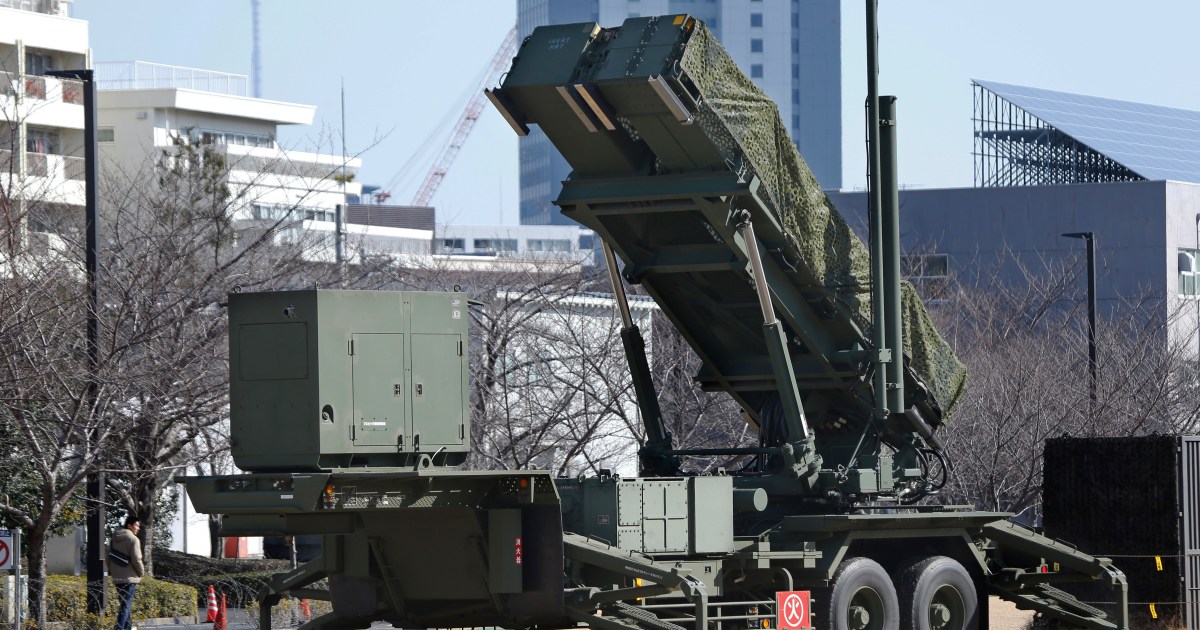
Regional infrastructure investments are inextricably linked to these shifting financial dynamics, as robust defense procurement drives heightened demand for precision munitions and advanced sensor systems. The implications extend beyond direct sales, influencing public-private partnerships, technology localization initiatives, and the long-term sustainability of defense ecosystems throughout the MENA region. As such, the interplay between sovereign action and financial strategy will remain a defining force in shaping the geopolitical landscape for the foreseeable period.