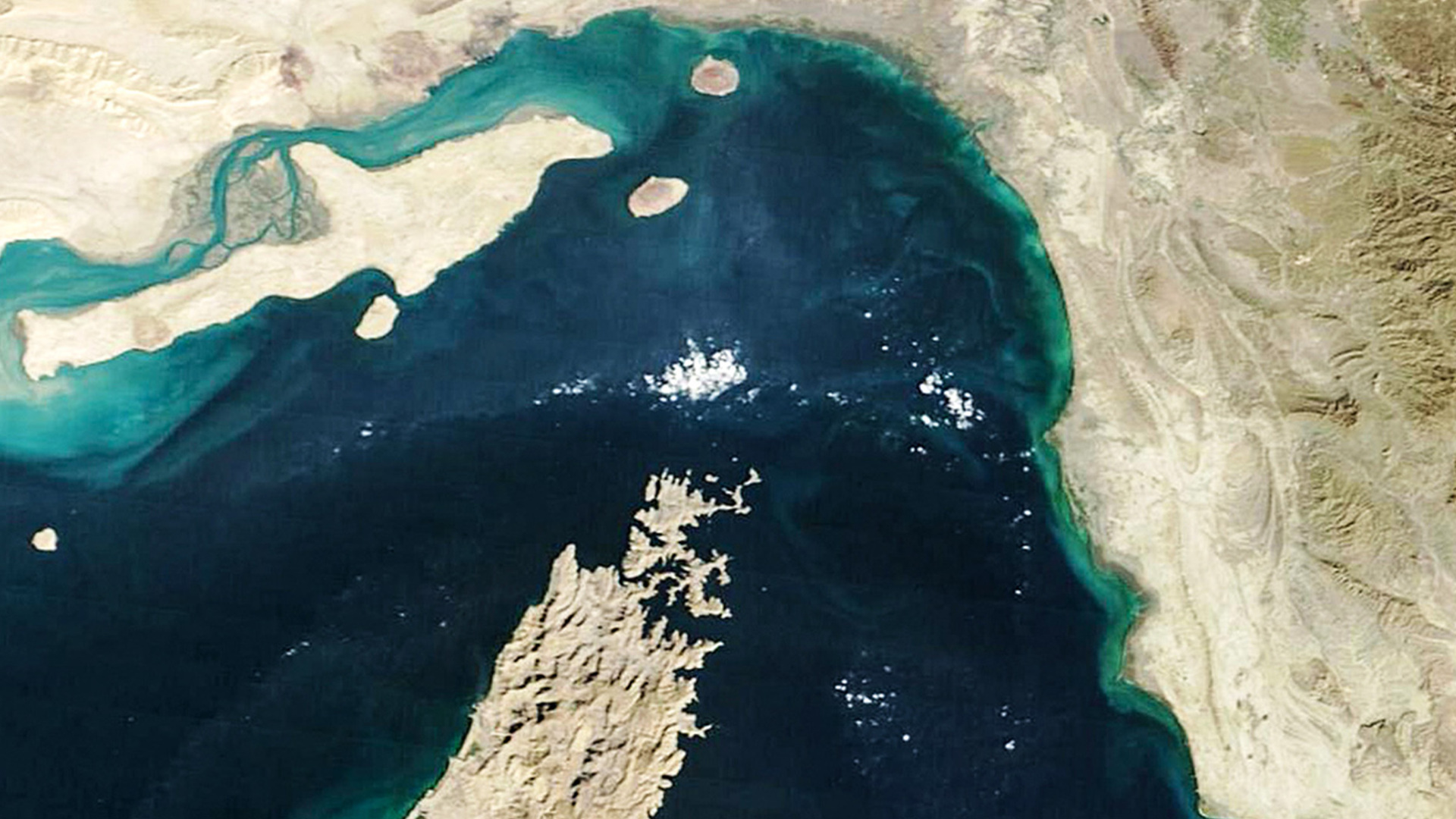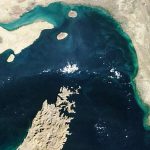

The seemingly inexorable march of Vision 2030 has stalled as the cancellation of flagship megaprojects—The Line, a $50 bn mirrored city, large‑scale stadiums and a 2029 Asian Winter Games venue—has left a $170 bn “science‑fiction” skyline frozen in the desert. With hydrocarbon exports curbed by the Strait of Hormuz closure and fiscal breakeven oil prices now hovering above $90 per barrel, the Saudi budget is running a deficit that dwarfs pre‑war forecasts. Sovereign wealth funds, once earmarked for equity stakes in global venture capital and sovereign‑co‑investment vehicles, are being diverted to cover debt service and to fund military hedging arrangements rather than to finance disruptive technology incubators.
The retreat from these gigaprojects is triggering a recalibration of venture financing across the region. While sovereign‑backed funds in the UAE and Saudi Arabia previously committed billions to frontier‑tech and AI hubs, the new reality forces them to re‑allocate capital toward defence‑related joint ventures with Pakistan, China and Turkey. These partnerships, anchored by a new Antalya‑Quad security framework, are reshaping the pipeline of deal flow: state‑controlled limited partners now favour defence‑system contracts, dual‑use AI platforms and sovereign‑hosted cloud services over consumer‑oriented start‑ups. The resulting shift compresses exit horizons for private‑equity and venture firms that previously expected liquidity events tied to the megaprojects’ commercial rollout.
Regional infrastructure planning is undergoing a parallel reorientation. The physical skeleton of promised logistics corridors—hyper‑fast rail links, ultra‑high‑capacity ports and solar‑powered smart cities—remains on the drawing board as governments prioritise resilience over expansiveness. Budgetary constraints and a re‑engineered alliance architecture mean that funding for cross‑border pipelines and renewable‑energy grids will increasingly rely on multilateral sovereign guarantees rather than private‑sector capital markets. This forces a consolidation of infrastructure financing under state‑driven institutions, reducing the leverage of regional private investors and dampening the appetite for risk‑capital inflows that earlier underpinned the Gulf’s ambition to become a pan‑continental hub.
In sum, the geopolitical shockwave ignited by Iran’s attacks has forced Saudi Arabia to abandon its diversification narrative and to re‑engineer its fiscal and strategic posture. Sovereign capital is being redirected toward defence‑oriented hedging, while venture financing contracts around a narrowed set of state‑aligned projects. The implication for the broader Middle East and North Africa is a slower pace of high‑tech infrastructure development and a heightened concentration of investment decisions within quasi‑military, autocratic coalitions, reshaping the region’s economic landscape for the next decade.