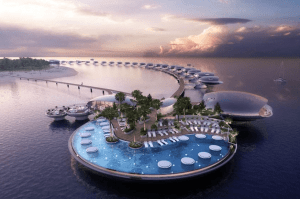

SaudiArabia’s strategic pivot toward tourism epitomizes a sovereign capital-driven transformation under Vision 2030, marking a deliberate effort to sever oil dependency and recalibrate the MENA region’s economic narratives. With tourism surpassing SAR 275 billion in 2025 and projected to contribute 10% of GDP by 2030, the sector is redefining national economic resilience. The kingdom’s deployment of sovereign resources into megaprojects like NEOM, The Red Sea Project, and AlUla underscores a calculated risk-taking aligned with global investment trends. This shift extends beyond mere infrastructure; it signals a reimagining of the region’s competitive landscape, leveraging sovereign capital to fortify both domestic demand and international market penetration. Entrepreneurial ecosystems are now catering to tech-integrated tourism experiences, creating ripple effects that could catalyze venture capital inflows into ancillary industries, from fintech to cultural preservation. The business implications are profound: new revenue streams, diversified employment, and a recalibrated risk profile as sovereign budgets pivot toward long-term tourism-led growth.
Venture capital is poised to play a pivotal role in sustaining this trajectory, particularly in sectors where Gulf states compete for global tourist appeal. While sovereign entities lead large-scale infrastructure, VCs may target niche innovation—such as AI-driven personalized travel platforms, sustainable resort technologies, or blockchain-based visa systems—to capture first-mover advantages. The success of Saudi’s ventures, many of which require agile tech solutions, presents an ecosystem ripe for VC disruption. Furthermore, the model may inspire similar funding dynamics across MENA, where sovereign capital acts as foundational infrastructure while VC accelerates commercialization. Regional collaboration could emerge in shared service platforms or regional tourism hubs, reducing individual countries’ capital burdens and fostering cross-border investment flows.
Regionally, Saudi Arabia’s tourism ambitions are reshaping infrastructure paradigms across the MENA. The emphasis on global connectivity—evidenced by e-visa rollouts and airport expansions—establishes new benchmarks for multimodal travel networks. As the kingdom’s projects set benchmarks for luxury and sustainability, neighboring states may accelerate their own tourism diversification to avoid obsolescence. This could spark a regional race for infrastructure investment, with implications for sovereign budgets and regional trade dynamics. Moreover, the influx of global tourists into Saudi hubs is likely to spur ancillary demand for regional suppliers, from hospitality to logistics, creating a burgeoning supply chain ecosystem. The long-term impact extends beyond tourism: it could redefine MENA’s role in global cultural and economic circuits, with sovereign and VC partnerships proving critical to maintaining momentum amid shifting global travel preferences.