
The Escalating Humanitarian Crisis in the MENA Region: Sovereign Wealth, Venture Capital, and Infrastructure Under Strain
The ongoing conflict in the occupied West Bank is triggering a profound reassessment of the Middle East and North Africa’s (MENA) financial and technological landscape. While the immediate crisis underscores the region’s vulnerability to external shocks and the fragility of institutional stability, it also presents a complex interplay of opportunities and implications for sovereign capital, venture capital, and regional infrastructure development. The profound human cost necessitates a long-term strategic approach beyond short-term geopolitical considerations.
The disruption in the West Bank serves as a stark indicator of the heightened risks associated with regional instability. Sovereign wealth funds, traditionally deployed in infrastructure projects and strategic investments across the MENA region, are now facing increased scrutiny regarding their exposure to geopolitical uncertainty. This has spurred a cautious reassessment of investment strategies, with a growing emphasis on diversification and risk mitigation. Simultaneously, the venture capital ecosystem is experiencing significant headwinds. The influx of capital directed towards technology and innovation across the region has been tempered by concerns about the security of investment and the long-term viability of startups operating in volatile environments. However, the resilience of local entrepreneurs and the potential for future growth within specialized sectors, such as cybersecurity and fintech, remain significant drivers. The need for robust regulatory frameworks and investor protection mechanisms will be critical in fostering a sustainable venture capital environment.
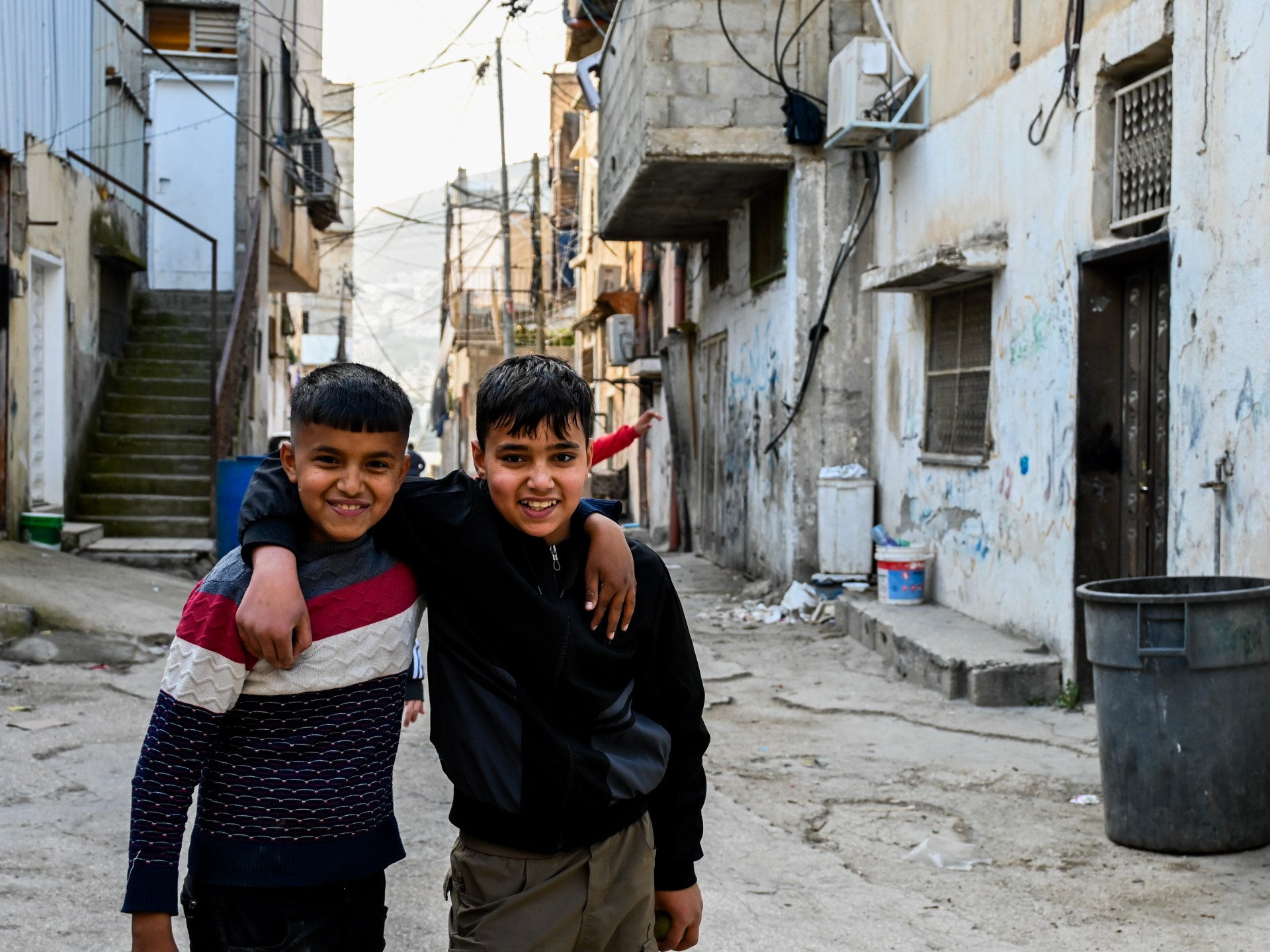
The implications for regional infrastructure are equally significant. The ongoing conflict is already impacting transportation networks and hindering the development of crucial infrastructure projects. The need for resilient and secure infrastructure is paramount, particularly in heavily populated areas like refugee camps, where vulnerable populations are disproportionately affected. The shift towards sustainable infrastructure, fueled by climate change concerns and international pressure, presents a long-term opportunity. However, achieving this requires substantial investment in renewable energy, smart grids, and resilient water management systems, all of which will necessitate significant capital flows – potentially drawing on both public and private sources. Furthermore, the development of regional connectivity, including digital infrastructure and transportation networks, is essential for fostering economic integration and boosting regional growth. The urgency of these infrastructure needs cannot be overstated, particularly in light of the humanitarian crisis unfolding in the West Bank where basic services are severely disrupted.
Ultimately, the crisis in the occupied West Bank is a catalyst for a broader reassessment of the MENA region’s developmental priorities. While the immediate focus must remain on humanitarian relief and conflict resolution, the long-term implications for financial stability, technological innovation, and infrastructure development are profound. Strong leadership, strategic planning, and international cooperation are essential to navigating this complex landscape and unlocking the region’s full economic and social potential. The trajectory of the next decade will be heavily influenced by how effectively MENA nations address these challenges – not only for their own citizens but also for the broader global economy.