
The latest 14‑point proposal from Tehran to Washington arrives amid a stagnant ceasefire and escalating rhetoric, but its business implications for the MENA region are clear. By demanding the lifting of sanctions, release of frozen assets, and withdrawal of U.S. forces from the vicinity of Iran, the plan could unlock a spectrum of sovereign capital flows that have hitherto been frozen. If the U.S. were to accept these terms, the resulting de‑sanctioning could inject an estimated $30–$40 billion of non‑oil sovereign wealth into the Iranian market, providing a much‑needed boost to domestic consumption and infrastructure projects that have stalled since the U.S. sanctions regime intensified in 2018.
For venture capital, Tehran’s call for an end to hostilities “on all fronts” and the postponement of nuclear negotiations—Trump’s declared red line—suggests a window where regional risk premiums could be recalibrated. Firms that have maintained shell companies in Tehran’s tech hubs, such as Tehran’s burgeoning fintech clusters and the UAE‑backed AI incubators in Sharjah, may find new opportunities for cross‑border partnerships. However, confidence will hinge on the U.S.’s willingness to close gaps on nuclear safeguards; any perceived erosion could trigger a pullback from both local VC funds and international investors wary of fallout from global policy shifts.
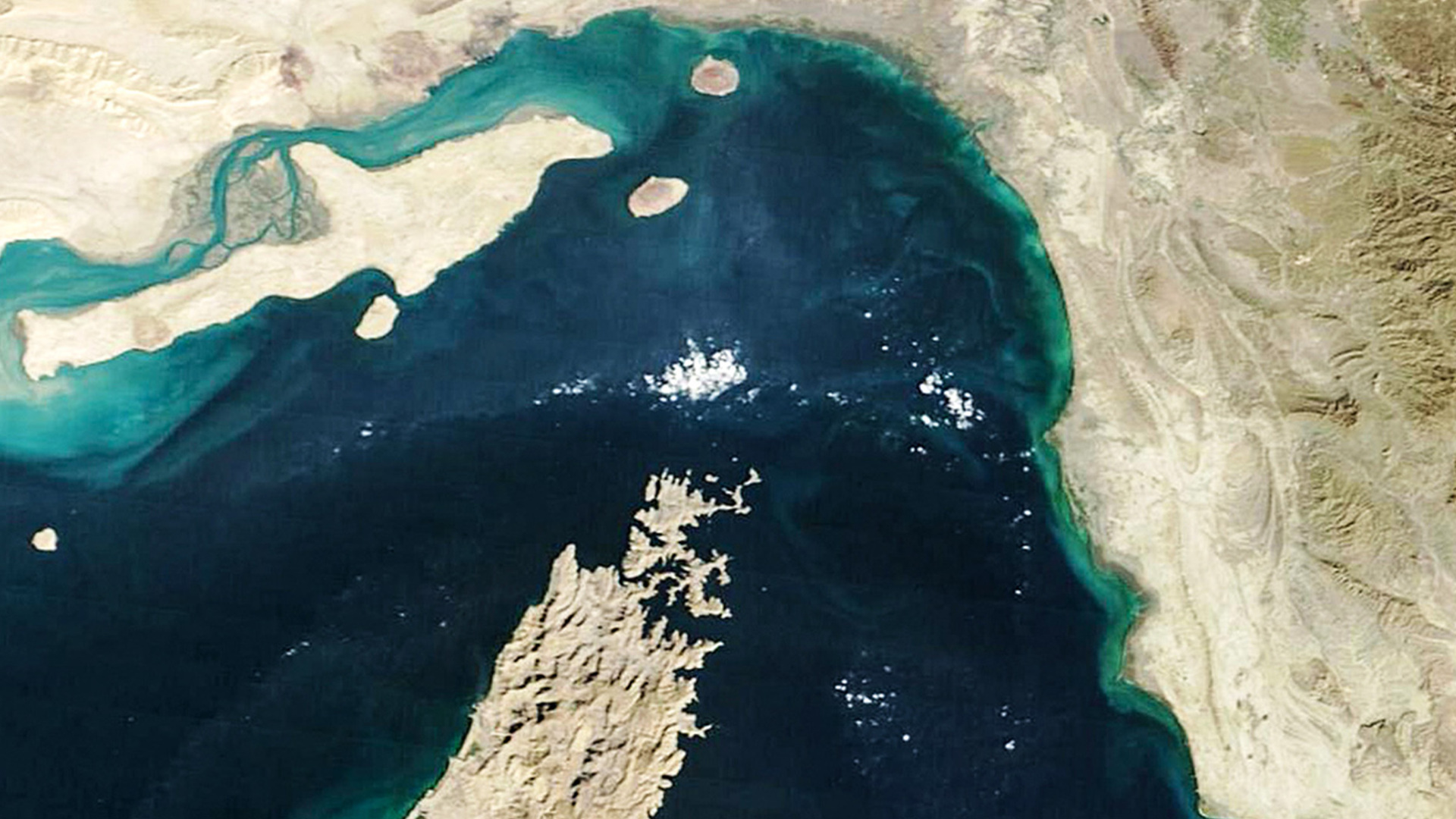
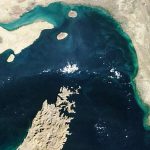
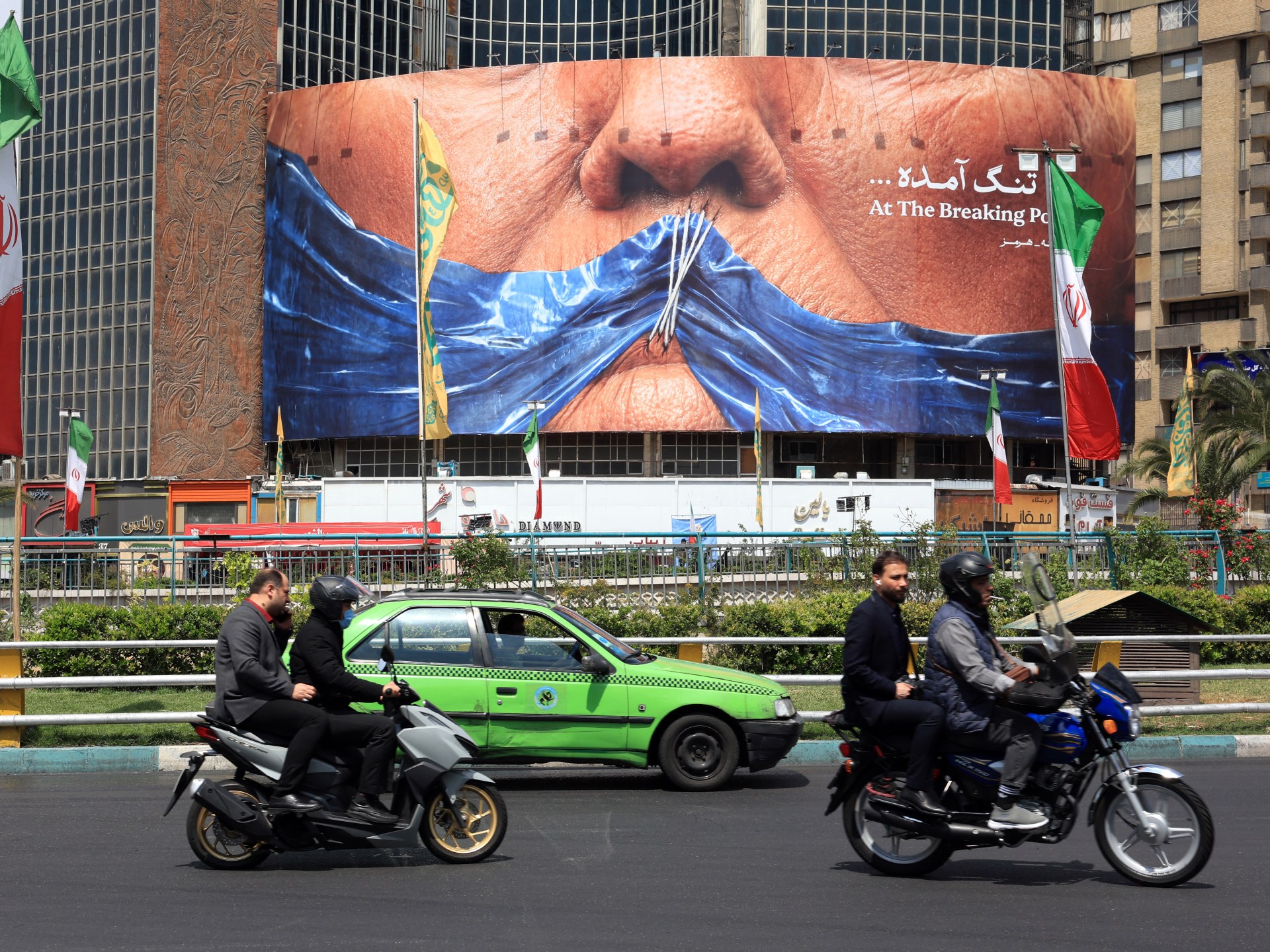
Infrastructure developers across the Gulf will also feel the ripple effects. A successful de‑blockade of the Strait of Hormuz would lift pressure on maritime freight routes, reducing transit times for goods moving between Asia and Europe by up to 12 %. The U.S. Maritime Freedom Construct, if realized, could institutionalise a multilateral framework protecting navigation and ensuring that high‑value shipping lanes—critical for MENA exporters of petrochemicals, grains and manufactured goods—remain secure. Meanwhile, the relocation of Iraqi crude via the al‑Yarubiyah border suggests a short‑term shift toward alternative pipelines, a trend that could spur investment in new refinery feedstock contracts and spur cross‑border energy corridors, reshaping the regional infrastructure landscape.
In sum, the proposal represents a pivotal, though highly conditional, juncture for sovereign capital mobilisation, venture capital appetite, and the continuity of regional infrastructure projects. The MENA region’s economic trajectory will increasingly depend on diplomatic breakthroughs that can translate geopolitical concessions into tangible financial flows and built‑environmental investments.