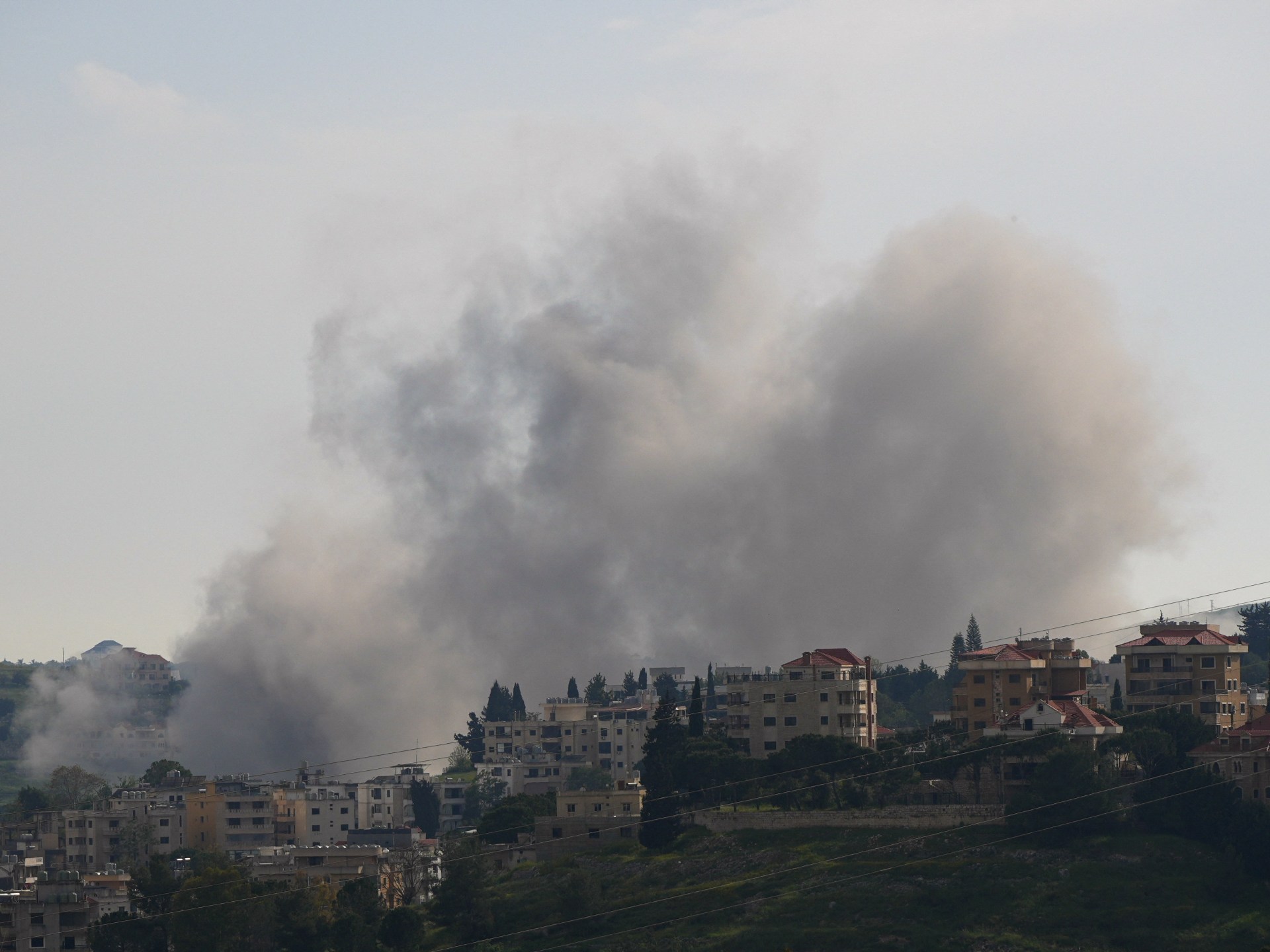

Recent escalations in the Israel-Hezbollah conflict have introduced significant, albeit concerning, implications for the Middle East and North Africa’s financial and technological landscape. The Israeli military’s expansion of displacement orders into areas beyond its declared zone of occupation in southern Lebanon, directly impacting communities north of the Litani River, represents a destabilizing factor with potential repercussions for regional investment flows. This renewed military pressure, even under a fragile US-brokered truce, casts a shadow over existing and future projects, particularly those reliant on regional stability. The immediate business impact includes disruptions to supply chains, increased operational risks for companies with presence in the affected areas, and potential devaluation of assets. Sovereign wealth funds and private equity firms with exposure to Lebanon and neighboring countries will be closely monitoring these developments, likely leading to increased risk aversion and potentially delaying or re-evaluating investment commitments.
The conflict’s trajectory will have a notable effect on both sovereign and venture capital activity across MENA. Sovereign wealth funds, crucial for financing infrastructure development and technological advancements in the region, may shift focus and capital towards perceived safer havens, impacting planned investments in sectors like renewable energy, digital infrastructure, and fintech. Venture capital, already navigating a complex environment, faces heightened uncertainty. The potential for prolonged instability in Lebanon and the broader region could deter both local and international investors, potentially slowing down the growth of promising tech startups. Furthermore, the disruption to regional trade and economic activity could negatively impact the returns on existing VC portfolios. The situation underscores the critical need for diversified investment strategies within MENA and a reassessment of risk profiles.
Beyond the immediate financial implications, the escalating tensions raise serious concerns regarding regional infrastructure projects. The potential for further military actions could severely damage existing infrastructure, including vital transportation networks, energy facilities, and communication systems. This necessitates a renewed focus on resilience and diversification of infrastructure investments. Governments across the MENA region may need to prioritize investments in redundant systems and alternative routes to mitigate future disruptions. Moreover, the conflict could accelerate the adoption of digital infrastructure as a more secure and adaptable alternative to traditional physical infrastructure. This includes investments in cybersecurity, cloud computing, and robust communication networks to ensure business continuity and protect critical data. Maintaining the integrity of regional digital ecosystems will be paramount in navigating this volatile environment.
The current situation in southern Lebanon serves as a stark reminder of the interconnectedness of political stability and economic development in the MENA region. While diplomatic efforts are ongoing, the expansion of military operations underscores the fragility of the existing ceasefire. Investors and policymakers must closely analyze the evolving geopolitical landscape and its potential ramifications for the region’s economic future. A sustained period of instability will undoubtedly hinder long-term growth and investment, necessitating proactive risk management strategies and a strategic recalibration of priorities for both public and private sector stakeholders across the Middle East and North Africa.