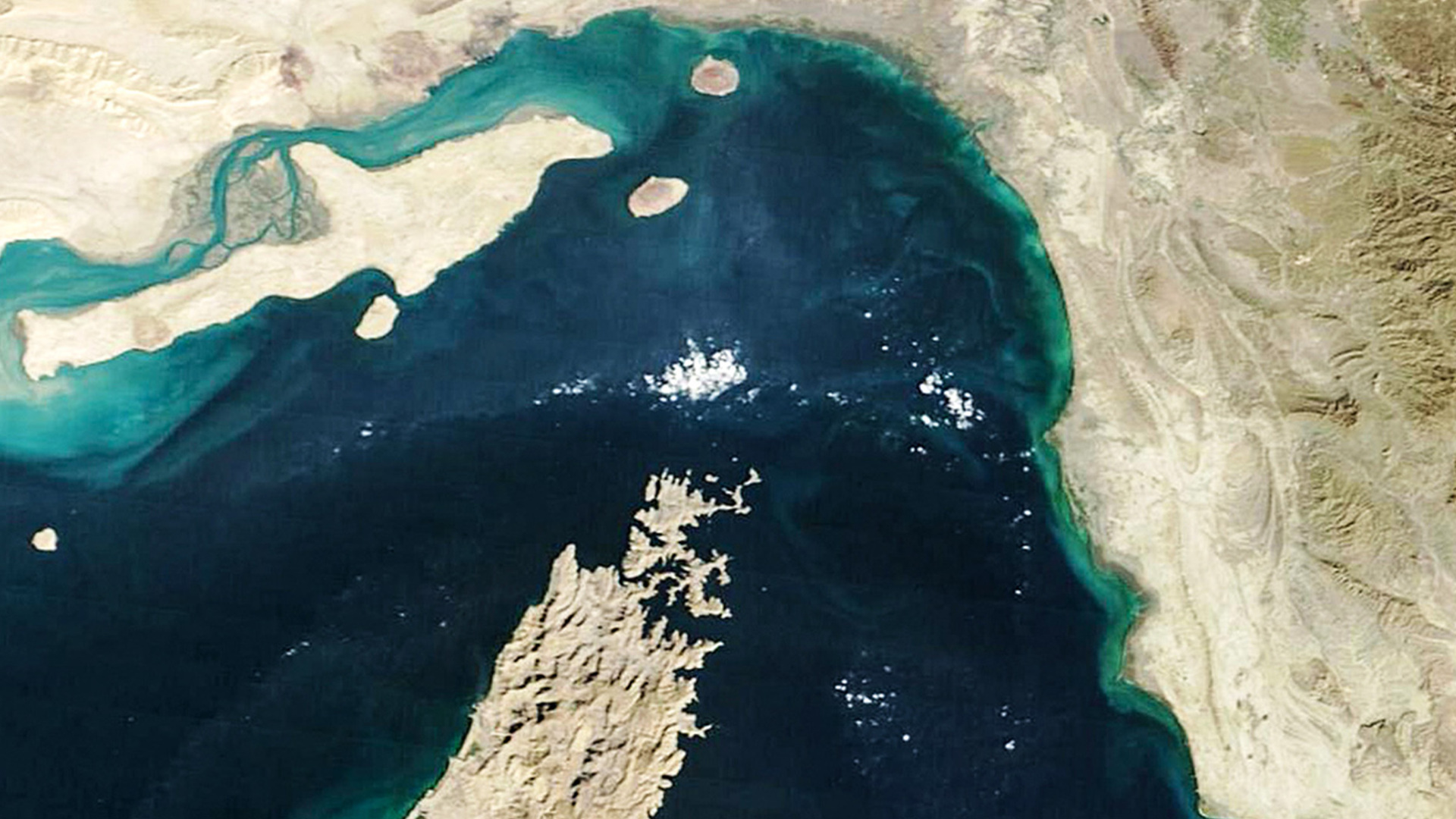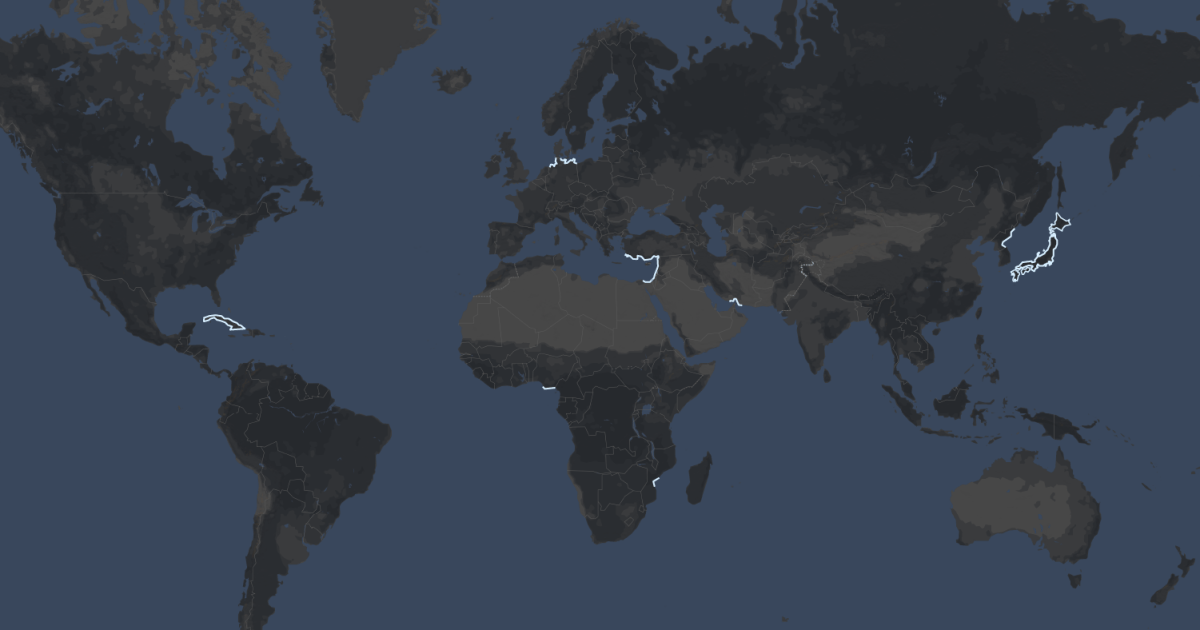

The effective closure of the Strait of Hormuz, a critical chokepoint for roughly one-fifth of global oil and gas trade now subject to competing US and Iranian naval blockades, has intensified pressure on Middle East and North Africa sovereign balance sheets, with $4.3 trillion in regional sovereign wealth fund assets under management directly exposed to disrupted energy export revenues and spiking tanker insurance premiums. Historical precedents within the MENA theater underscore the cascading risks of such disruptions: the 1915-1918 Allied blockade of the eastern Mediterranean cut off critical supplies to the Ottoman Levant, triggering a famine that killed an estimated 500,000 civilians across modern-day Lebanon, Syria and Palestine, while Israel’s 2007-present siege of Gaza has constrained 2.3 million residents’ economic mobility and driven repeated regional supply chain shocks. These legacy vulnerabilities now anchor sovereign policy agendas across the GCC and North Africa.
Non-regional historical blockades further inform MENA capital allocation strategies, including the 1966-1975 Beira Patrol, a nine-year UK-led operation that failed to stem oil flows to Rhodesia despite deploying 76 naval ships at a cumulative cost that outstripped its strategic returns, and the 1942-1945 US submarine blockade of Japan, which devastated the island nation’s import-dependent economy and demonstrated the acute vulnerability of hydrocarbon-reliant exporters to maritime transit disruptions. The 1967-1970 Biafra blockade, which caused 1-2 million deaths via deliberate starvation tactics, and the 1914-1919 Allied blockade of Germany, which led to 424,000-763,000 civilian hunger-related deaths, have accelerated regional sovereign investment in food security infrastructure and redundant supply chains, while the 1962 Cuban Missile Crisis “quarantine” and 1951-1953 Blockade of Wonsan highlight the utility of targeted transit restrictions as geopolitical leverage, a dynamic MENA policymakers now hedge against via diversified trade corridors.
These lessons have driven a historic reallocation of MENA sovereign capital, with over $1.4 trillion committed to regional infrastructure since 2020, including Red Sea port upgrades, Gulf-Asia direct pipeline networks that bypass Hormuz entirely, and smart logistics hubs in Saudi Arabia’s NEOM and the UAE’s Dubai South free zone, all designed to insulate economies from blockade-induced shocks. Venture capital deployment has surged in tandem, hitting a record $12.1 billion in 2025, with 42% of institutional sovereign funds now directed to early-stage logistics tech, alternative energy and cross-border payment platforms, up from 9% in 2010. This diversification has reduced the correlation between GCC fiscal breakeven oil prices and global energy supply disruptions by 34% since 2015, underpinning stable investment-grade sovereign credit ratings and attracting $28 billion in foreign direct investment to MENA’s resilience-focused tech sector in the first half of 2026 alone.