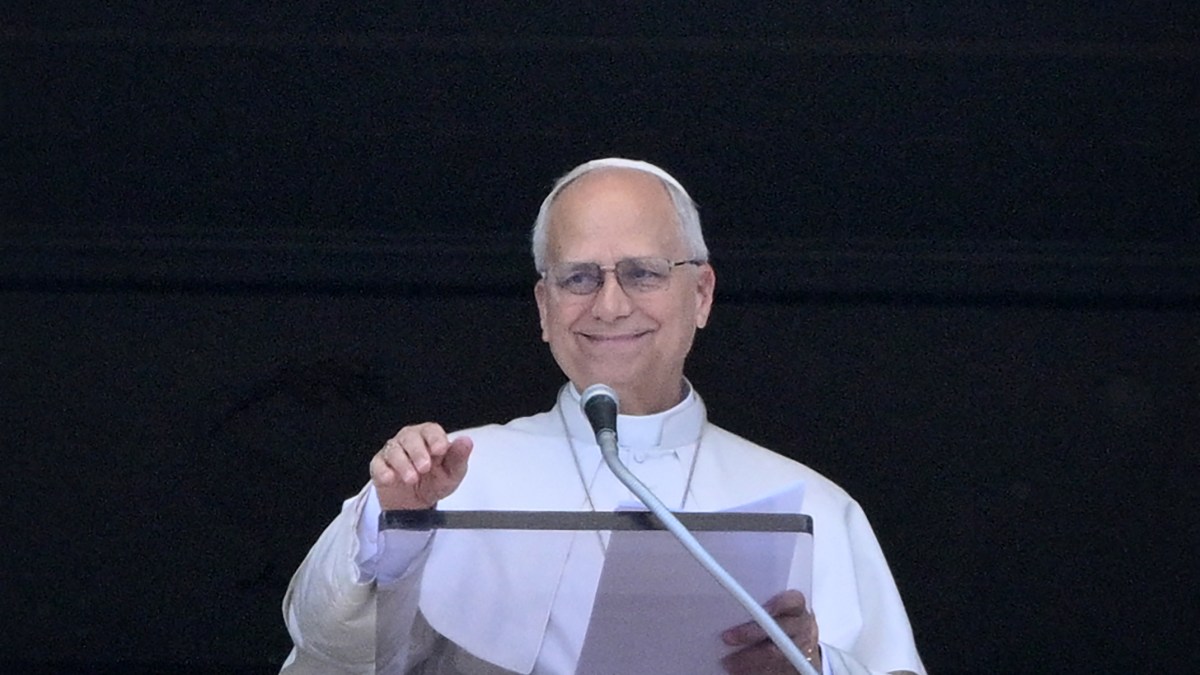

Over the weekend, papal remarks marking World Press Freedom Day have brought renewed focus to unpriced geopolitical and information environment risks across the Middle East and North Africa, with direct implications for the region’s $3.2 trillion sovereign capital pool, early-stage venture allocation, and cross-border infrastructure planning. Pope Leo’s explicit condemnation of media freedom violations, including tribute to the 232 Palestinian journalists killed in the Gaza conflict since October 2023—a toll that exceeds total journalist fatalities across both world wars, the Vietnam War, the Yugoslav Wars, and the U.S. War in Afghanistan combined, per last month’s Watson Institute for International and Public Affairs Costs of War project—aligns with Reporters Sans Frontières’ 2026 finding that global press freedom has hit a 25-year low, with MENA economies overrepresented in the index’s “difficult” and “very serious” categories. This is not merely a normative concern: institutional investors and sovereign wealth funds (SWFs) including Saudi Arabia’s Public Investment Fund, Abu Dhabi Investment Authority, and Qatar Investment Authority factor information stability, journalist safety, and conflict risk into sovereign credit assessments, cross-border equity allocations, and infrastructure project due diligence across the region.
Venture capital flows to MENA’s maturing tech ecosystem, which drew a record $13.4 billion in 2025 according to regional data provider Magnitt, are particularly sensitive to these dynamics. Early-stage investors in regional media tech, digital infrastructure, and cross-border connectivity startups consistently cite stable information regimes and conflict-adjacent risk mitigation as core allocation criteria, as uncertain operating environments raise customer acquisition costs, limit cross-border data flows, and increase regulatory friction for scaling platforms. Pope Leo’s characterization of journalism as a “public good” and pillar of democratic society resonates with institutional limited partners backing MENA-focused VC funds, who increasingly require ESG-compliant reporting that includes journalist safety metrics and conflict-zone operating risk disclosures for portfolio companies with exposure to Levant or North African markets.
Physical and digital infrastructure initiatives, including the GCC’s $1.2 trillion in planned transport, telecom, and smart city projects through 2030, face material delays when conflict-adjacent press freedom restrictions limit transparent project reporting and increase sovereign risk premiums. Sovereign-backed infrastructure developers in Egypt, Morocco, and the Gulf increasingly adopt international media safety frameworks to lower borrowing costs for dollar-denominated debt, as global rating agencies tie press freedom and conflict transparency to ESG scores that determine access to cheaper capital. The RSF index’s finding that more than half of all countries now fall into the two lowest press freedom tiers will likely accelerate differentiation between MENA markets with robust information safeguards—such as the UAE and Saudi Arabia’s recent media regulatory reforms—and those with persistent conflict-related information risks, reshaping capital allocation patterns across the region in the medium term.