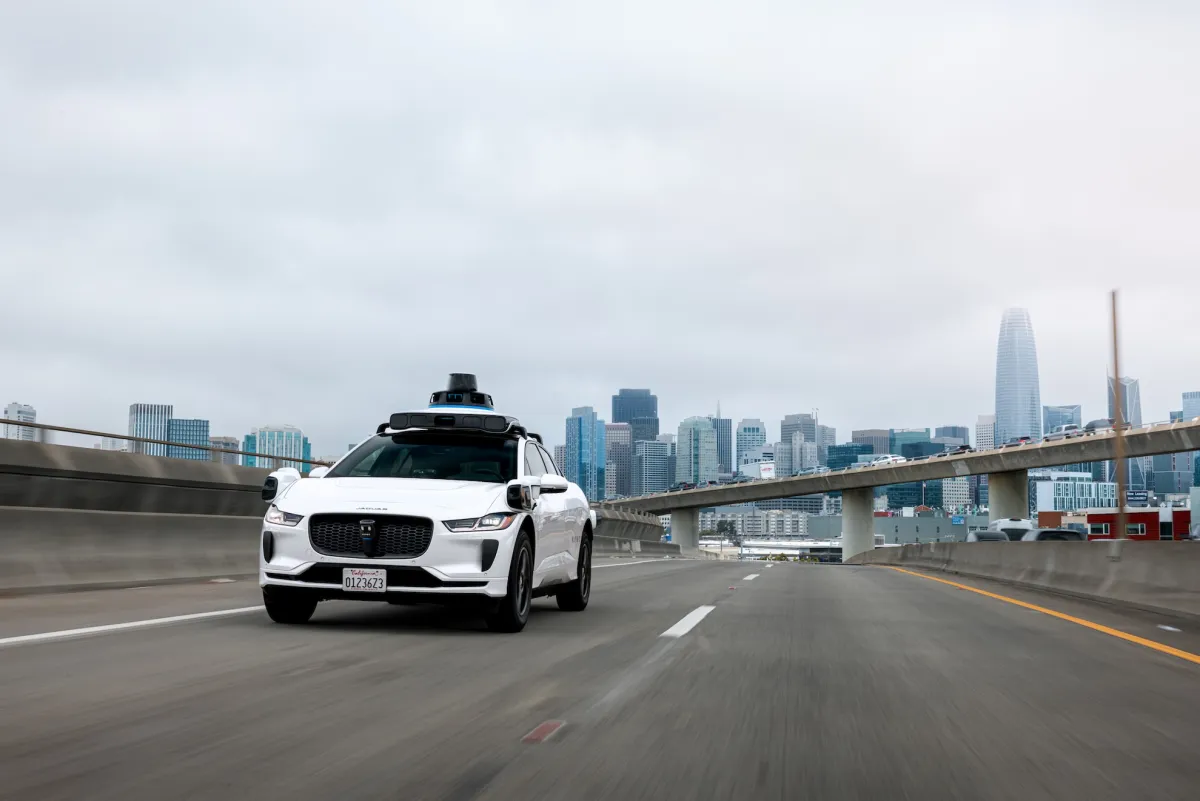

California’s Department of Motor Vehicles has imposed a new regulatory framework for autonomous vehicle testing and deployment that will reverberate far beyond the Golden State’s borders, reshaping capital allocation decisions across emerging mobility markets from Dubai to Riyadh. The 100-page rule set, governing everything from traffic violation citations to data collection protocols, establishes a compliance burden that sovereign wealth funds and corporate venture arms throughout the Middle East and North Africa must now factor into multi-billion-dollar mobility infrastructure investments. With Abu Dhabi’s Mubadala and Saudi Arabia’s Public Investment Fund having already committed over $12 billion collectively to autonomous vehicle technologies and smart city transportation systems, California’s regulatory trajectory effectively sets the standard for how these Gulf investors will evaluate returns on their autonomous fleet and infrastructure deployments across the region.
The regulatory shift from disengagement reports to dynamic driving task performance metrics represents a critical evolution that MENA sovereign capital cannot afford to overlook. While California’s enforcement mechanisms—including the ability to cite manufacturers for traffic violations committed by their robotaxis—introduce liability frameworks that regional investors have historically sought to avoid, the new reporting requirements provide transparency levels that align with the governance standards increasingly demanded by Gulf pension funds managing $2.6 trillion in assets. The elimination of disengagement reporting, criticized globally for inconsistent industry standards, creates opportunities for MENA-based autonomous vehicle pilots to establish clearer performance benchmarks. However, the compliance costs associated with real-time malfunction reporting and two-way communication systems with 30-second response times will require significant upfront capital commitments from regional infrastructure projects, potentially delaying deployment timelines across Saudi Arabia’s NEOM and UAE’s Dubai South autonomous mobility zones.
The regulatory implications extend directly into venture capital decision-making across the MENA region, where BMW i Ventures’ recent $300 million fund launch specifically targeting AI-driven automotive technologies signals renewed confidence in autonomous vehicle commercialization despite California’s increased oversight. German robotics startup Sereact’s $110 million Series B funding round, coupled with California’s new heavy-duty vehicle testing allowances, suggests that autonomous trucking—the sector most likely to serve MENA’s massive logistics corridors—will attract concentrated investment flows. Regional venture capital firms including MEA Tech Partners and Gulf Investment Corporation are recalibrating their autonomous vehicle investment theses to account for these regulatory realities, with early-stage funding particularly sensitive to compliance cost structures that could erode projected returns in markets like Egypt’s New Administrative Capital and Oman’s Sohar Industrial Port autonomous logistics zone.
The infrastructure implications for MENA’s mobility transformation are profound: California’s requirement for first responder interaction plans and manual override accessibility introduces new complexity for regional smart city projects that had planned simpler autonomous vehicle integration models. Saudi Arabia’s $500 billion NEOM project, UAE’s $5.8 billion Dubai Mobility strategy, and Qatar’s $200 billion infrastructure modernization program must now incorporate these compliance requirements into their autonomous vehicle deployment phases. For sovereign capital managers overseeing the region’s $3.2 trillion infrastructure investment pipeline, California’s regulatory framework effectively becomes a de facto approval standard for any autonomous vehicle technology seeking to operate across multiple MENA markets, consolidating regional investment decisions around a single source of regulatory complexity that will ultimately determine which autonomous vehicle platforms achieve economies of scale across the region’s emerging mobility ecosystems.