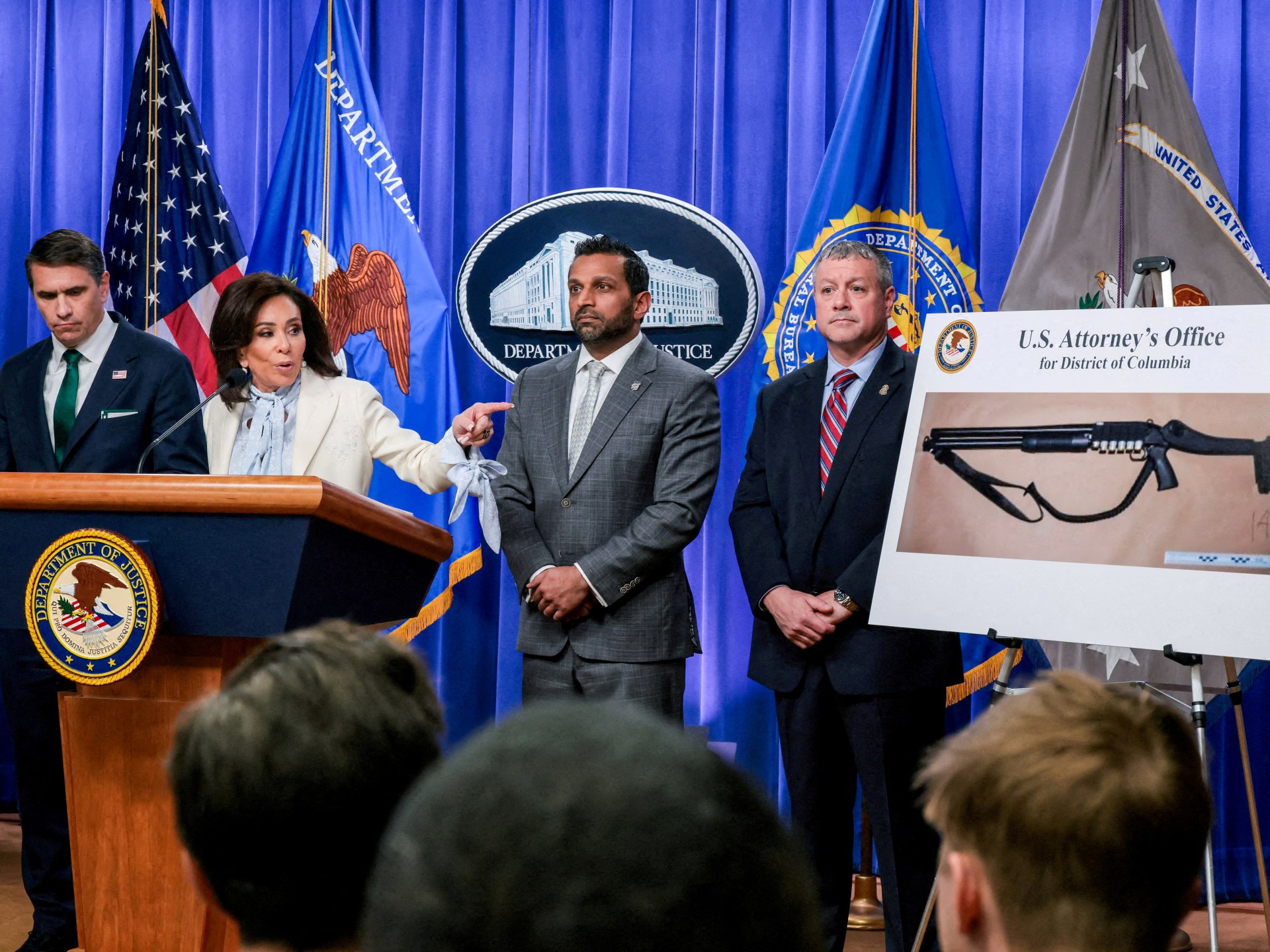

The recent shooting at the White House correspondents’ dinner, an act of premeditated violence targeting President Donald Trump, carries significant implications for the broader MENA region, particularly concerning sovereign capital flows, venture capital investment, and regional security infrastructure. The confirmed involvement of Cole Tomas Allen, a 31-year-old suspect, underscores the escalating risk of politically motivated violence in the United States, a risk that is increasingly relevant to investor sentiment across the Middle East and North Africa.
The incident highlights the vulnerability of critical infrastructure within the US – specifically, the security protocols at major gatherings and the effectiveness of protective measures. For MENA investors, this creates uncertainty regarding the stability of US assets, a key component of their diversified portfolios. The possibility of future attacks, potentially fueled by domestic political polarization, necessitates a reassessment of risk tolerance and potentially a shift towards alternative investment destinations. Sovereign wealth funds in the region are particularly sensitive to these developments, as a decline in investor confidence could impact liquidity and long-term planning. Furthermore, the heightened security environment could indirectly impact trade and investment flows between the US and the MENA region.
The unfolding situation also presents a unique challenge to venture capital activity. US-based startups, a significant source of global innovation and investment, are now operating in a more volatile environment. Venture capital firms in the Middle East are already mindful of geopolitical risks but must now factor in the broader context of domestic instability within the US. The impact on US technology ecosystems could reverberate across the region, indirectly affecting M&A activity and the overall attractiveness of US-based ventures to regional investors. A pullback in US investment could lead to a reallocation of capital towards more stable, geographically diversified opportunities within the MENA region.
Long term, this incident could spur renewed focus on bolstering security infrastructure, not only within the US but also across the MENA region. The potential for politically motivated attacks could prompt increased investment in cybersecurity, threat intelligence, and enhanced surveillance capabilities. This trend could also drive demand for specialized security services and technologies within the region. Therefore, firms involved in security technology, cybersecurity solutions, and risk management are poised to benefit as MENA governments proactively address vulnerabilities in their own environments. The challenge for the region lies in balancing the need for enhanced security measures with the imperative to maintain economic stability and foster a conducive environment for continued growth and development.