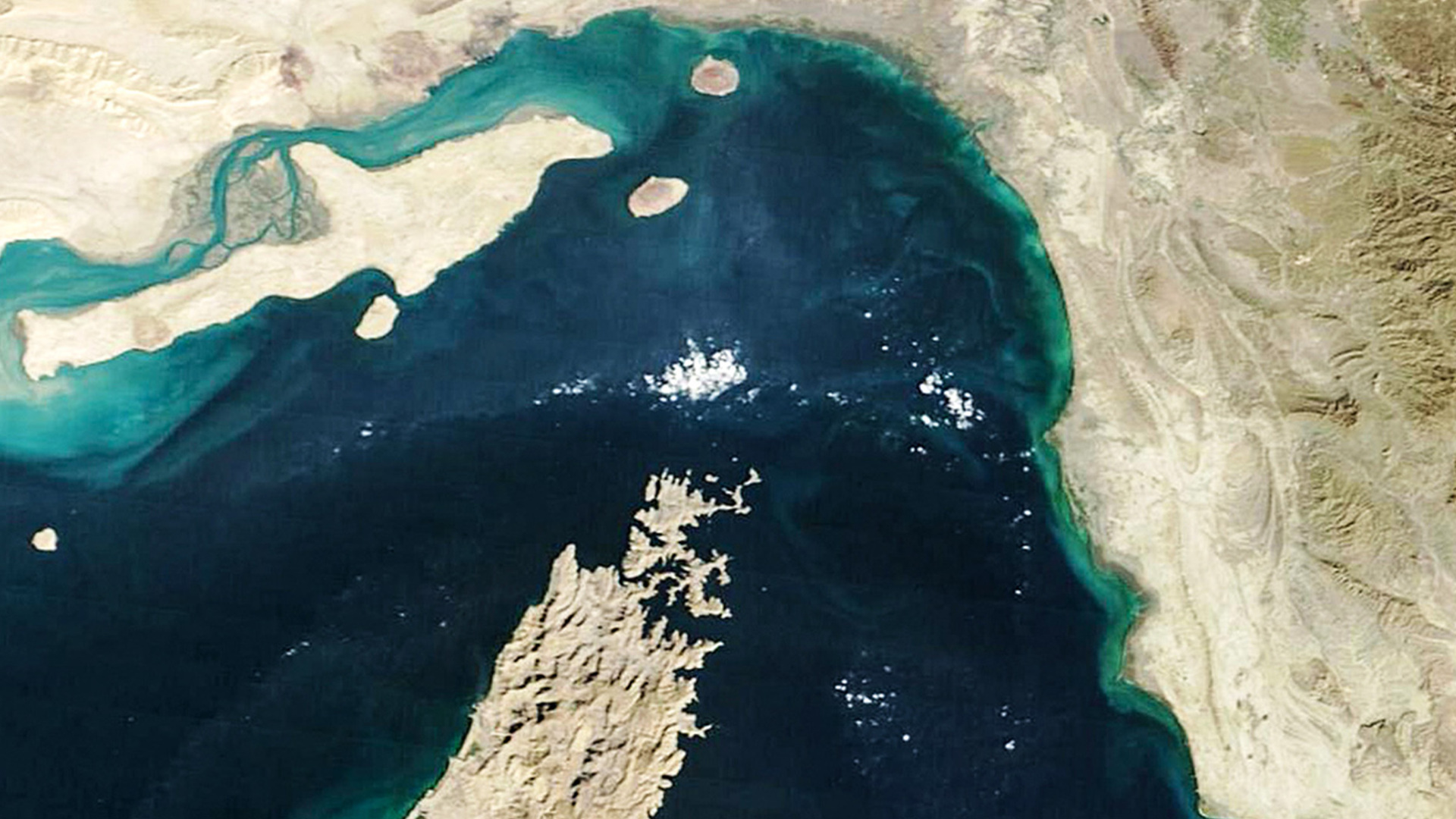

The United Arab Emirates’ decision to depart OPEC and simultaneously announce a $55 billion investment surge by ADNOC marks a pivotal shift in the Gulf’s energy strategy, blending economic sovereignty with geopolitical pragmatism. By shedding OPEC+ quotas, Abu Dhabi gains unilateral control over production volumes, unlocking the potential to capitalize on volatile market dynamics—particularly amid ongoing disruptions in the Strait of Hormuz. This move not only signals a strategic pivot toward maximizing revenue through flexible output but also positions the UAE to leverage its abundant hydrocarbon reserves as a linchpin for regional stability. The timing aligns with broader Gulf Arab leaders’ growing disillusionment with OPEC+’s rigid frameworks, which have often prioritized Saudi Arabia’s interests over smaller producers like the UAE.
The $55 billion project pipeline underscores Abu Dhabi’s ambition to deepen its downstream and upstream industrial ecosystem, transforming extracted resources into higher-value outputs. Spanning liquefied natural gas (LNG) hubs, petrochemical plants, and refining infrastructure, these investments aim to bolster domestic manufacturing resilience while capturing incremental profits from the energy transition. This capital allocation reflects sovereign wealth deployment at scale, leveraging the UAE’s ample fiscal reserves to secure long-term energy dominance in a tightening global supply landscape. Furthermore, the projects’ integration with ADNOC’s U.S. gas business—already under construction—highlights a dual focus on diversifying export markets and aligning with Washington’s energy security agenda, a strategic hedge against regional tensions exacerbated by the Iran-Israel proxy conflict.
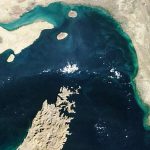
Regionally, the UAE’s infrastructure bets and production targets reverberate beyond its borders. The Strait of Hormuz’s strategic vulnerability—disrupted by Houthi and Iranian incursions—amplifies demand for Gulf Arab states to reinforce energy security through regional cooperation and logistics modernization. Meanwhile, ADNOC’s capacity expansion to 5 million barrels per day by 2027 underscores a broader Gulf shift toward self-reliance, reducing dependence on external infrastructure networks. For venture capital, the UAE’s industrial drive may catalyze private-sector partnerships in green hydrogen, carbon capture, and digital energy solutions, areas where sovereign-backed capital often precedes private investment. However, the region’s immediate priority remains navigating OPEC+’s evolving role and the fallout from a fractured cartel, as Saudi Arabia and Russia signal production flexibility to offset Middle Eastern volatility.
Ultimately, the UAE’s bold investment and OPEC exit herald a recalibration of Gulf energy dynamics, blending authoritarian efficiency with market-driven agility. While the financial outlay signals robust sovereign confidence, it also raises questions about the sustainability of hyper-investment in traditional hydrocarbons amid global decarbonization imperatives. For the MENA region, this moment underscores an enduring paradox: how to balance economic modernization with the existential realities of a carbon-constrained future. The UAE, through ADNOC’s aggressive industrialization, may set a template for other Gulf states grappling with similar dilemmas, though success will hinge on aligning resource abundance with technological innovation and geopolitical foresight.