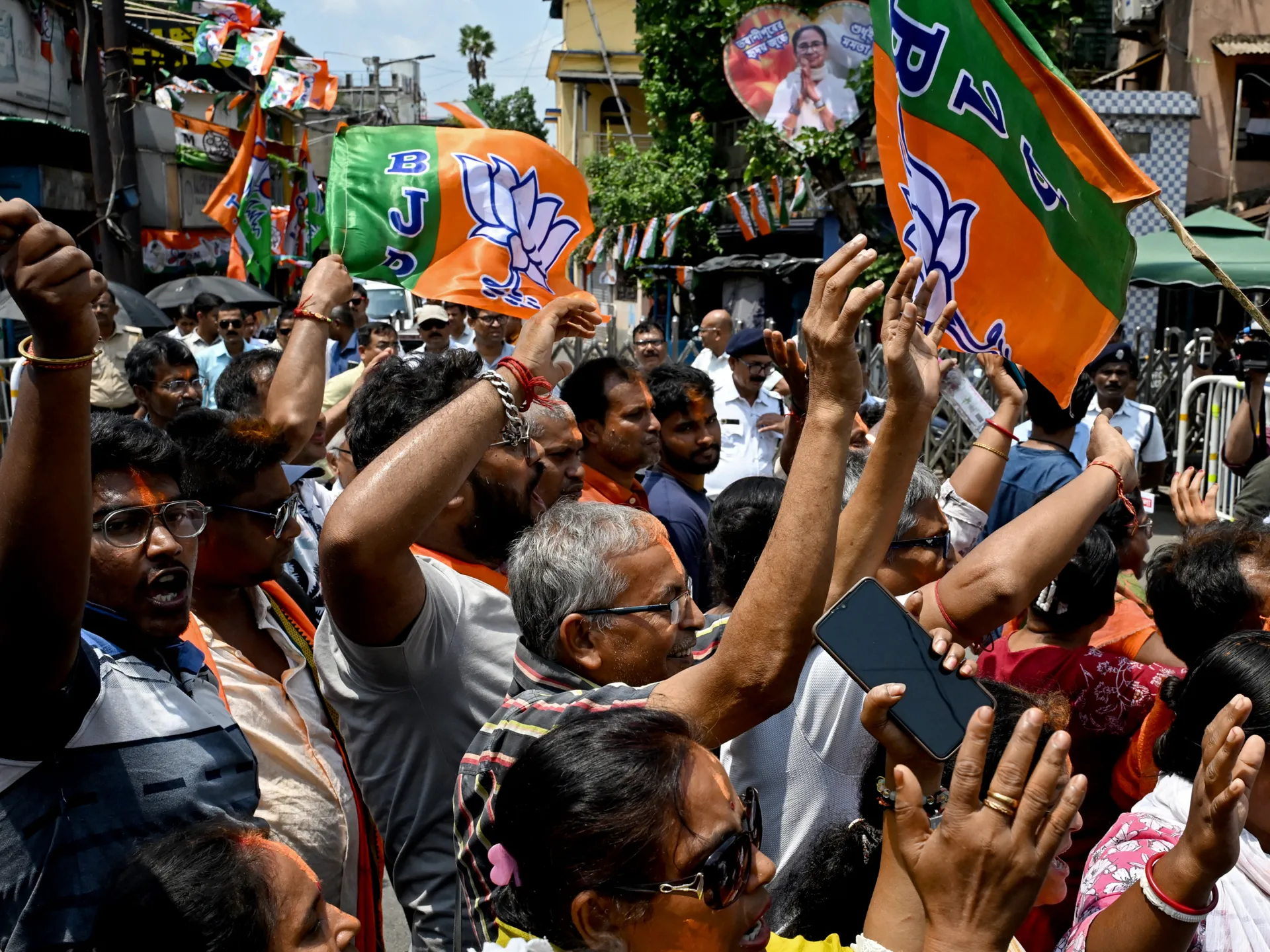

The recent electoral successes of India’s Bharatiya Janata Party (BJP) under Prime Minister Narendra Modi signal a consolidation of political influence that could have profound implications for the Middle East and North Africa (MENA) region. While the immediate focus is on India’s domestic dynamics, the strengthening of a pro-business, reform-oriented government in the world’s largest democracy may embolden Modi’s administration to pursue aggressive economic initiatives. This could translate into increased sovereign capital inflows from India into MENA markets, particularly in sectors like renewable energy, technology, and infrastructure, where India has demonstrated strategic interest. The BJP’s emphasis on reducing unemployment and improving regulatory frameworks might also attract venture capital (VC) interest in MENA’s burgeoning startups, especially in fintech and digital services. However, the political stability of a Modi-led India could divert attention and resources away from regional geopolitical challenges, potentially reducing the comparative attractiveness of MENA as an investment hub for global capital.
The surge in BJP’s electoral mandate underscores a shift in India’s economic policy direction, prioritizing growth over social welfare, which may have dual effects on sovereign capital flows. If India redirects significant state funding toward infrastructure and industrial expansion, it could create competition for MENA’s sovereign wealth funds, which are often diversified across global markets. Moreover, a revitalized Indian economy post-2024 elections might strengthen its position as a trade partner or investor in MENA, particularly in sectors like renewable energy and mining. This could pressure MENA governments to align their investment strategies with India’s priorities, possibly accelerating regional infrastructure projects that integrate Indian and MENA markets. However, the risk of a more inward-looking India, focused on domestic challenges like trade tensions with the US, remains a countervailing factor that could limit the scale of such cross-regional capital dynamics.
The long-term strategic implications for MENA’s infrastructure and sovereign capital are particularly salient. A consolidated BJP government may pursue bold infrastructure projects, including cross-border initiatives with neighboring countries, which could intersect with MENA’s regional networks. For instance, energy cooperation between India and Gulf states, facilitated by Modi’s pro-trade stance, might lead to shared investments in solar or hydrogen infrastructure. Similarly, VC activity in India’s tech sector could inspire parallel investments in MENA’s digital economies, fostering innovation ecosystems that benefit from Indian expertise and capital. However, the BJP’s focus on ideological policies, such as its rhetoric on immigration and border security, might strain diplomatic ties with some MENA nations, potentially undermining broader regional collaboration. The success of Modi’s government in balancing economic ambition with geopolitical pragmatism will thus be critical in determining the extent to which India’s resurgence reshapes MENA’s business and investment landscape.