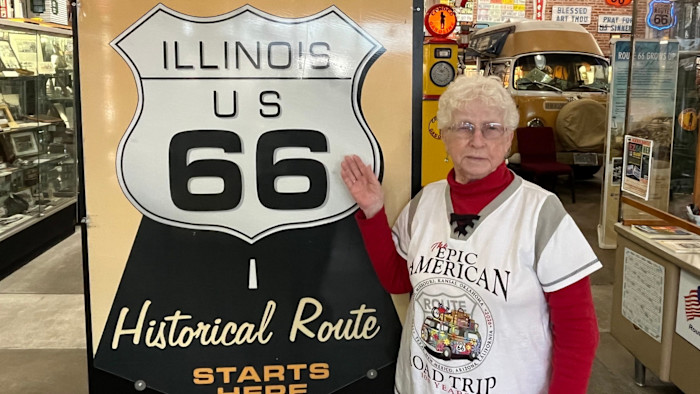

The enduring allure of Route 66 demonstrates how a heritage corridor can generate sustained foreign‑visitor spending that far exceeds the cost of its modest roadside infrastructure, creating a compelling revenue model for sovereign investors seeking stable, long‑term returns. The influx of tourists from dozens of countries translates into substantial ancillary income for independent motels, diners, and retail outlets, while the intangible “American dream” narrative amplifies repeat visitation and word‑of‑mouth promotion—key metrics that sovereign wealth funds monitor when allocating capital to tourism‑focused assets.
Sovereign capital has increasingly earmarked large‑scale, low‑risk infrastructure projects in the Middle East and North Africa that emulate the Route 66 model, such as Saudi Arabia’s AlUla cultural corridor and the UAE’s heritage‑tourism circuits. These initiatives are financed through sovereign wealth funds that provide upfront equity and debt, de‑risking private participation and ensuring that the projects benefit from the same multiplier effects observed on America’s historic highway—namely, job creation, regional spill‑over commerce, and enhanced soft‑power positioning.
Venture capital firms are capitalising on the digitisation of the visitor experience by funding travel‑tech platforms that aggregate heritage‑route services, enable seamless booking and payments, and leverage data analytics to optimise occupancy rates across dispersed hospitality assets. In the MENA region, VC activity is concentrated in fintech solutions for cross‑border tourism payments, AI‑driven marketing for niche cultural routes, and logistics networks that connect remote roadside attractions to major transport hubs, thereby expanding the reach of domestic and international tourists.
For the MENA region, the Route 66 case underscores the strategic importance of integrating physical infrastructure—highway upgrades, broadband connectivity, and standardized signage—with sovereign‑backed financing and VC‑driven innovation to create scalable, revenue‑rich tourism corridors. By aligning sovereign capital with private‑sector agility, the region can replicate the economic multipliers that have sustained Route 66 for decades, fostering inclusive growth, diversifying away from hydrocarbon dependence, and securing a resilient, tourism‑driven economic future.