
Google’s agentic pivot at Cloud Next 2026 marks a deliberate escalation in enterprise operating-system warfare, with direct consequences for MENA sovereign capital and technology投资策略. By embedding autonomous Gemini agents into Workspace and hardening interoperability against Microsoft 365, Google is converting productivity software into an orchestration layer that reduces total cost of ownership while tightening vendor stickiness. For Gulf sovereign wealth funds and corporate holding groups weighing hyperscale partnerships, the update offers a clearer migration runway away from entrenched Microsoft estates, with migration speeds reportedly fivefold faster and macro-to-native workflow conversion mitigating operational risk during large-scale transitions. In markets from Riyadh to Abu Dhabi and Dubai, where cloud localization and sovereign data control are non-negotiable, Google’s MCP server and cross-platform intelligence layer position Workspace as a bridge between regional data-sovereignty mandates and globally distributed AI tooling.
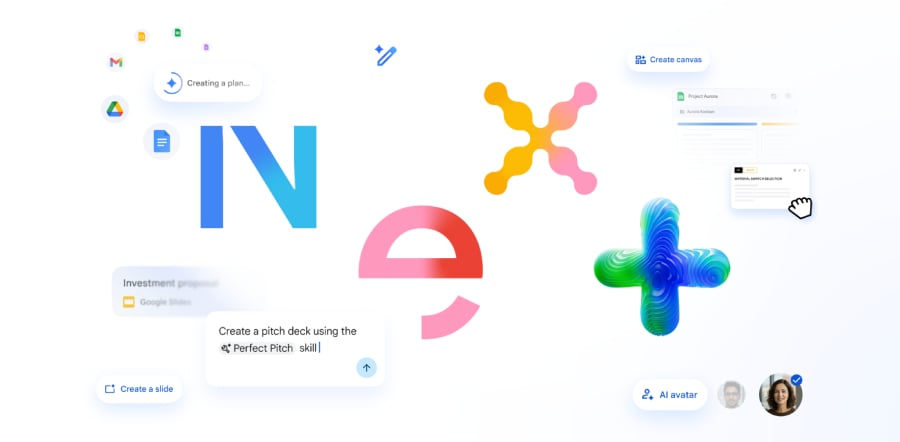
The venture implications are equally consequential. As Gulf VCs accelerate deployment into vertical SaaS and AI-native startups, Workspace Intelligence and agentic Gemini capability create a new systems layer onto which portfolio companies can anchor domain-specific workflows without rebuilding collaboration plumbing. Reusable automation skills and conversational data analysis collapse time-to-insight for logistics, fintech, and energy trading use cases that dominate MENA venture deal flow, while Canvas Mode’s editable outputs reduce friction between AI-generated content and regulated documentation. For limited partners scrutinizing capital efficiency, Google’s shift from content generation to autonomous action lowers headcount intensity in back-office operations, improving unit economics for startups operating under the region’s lean liquidity conditions and shortening the path to sustainable margins.
Infrastructure strategists across the MENA region will read these updates as a signal that the next battleground is cross-platform orchestration, not model benchmarks. With sovereign funds channeling billions into domestic cloud capacity and digital stacks, Google’s tighter coupling of Gmail, Drive, Docs, and external systems via standardized MCP interfaces reduces integration drag for multi-hyperscale environments spanning Europe, Asia, and regional data centers. The Pentagon-classified overture further telegraphs enterprise-grade security positioning, relevant for state-backed entities and critical-infrastructure operators calibrating geopolitical risk. In effect, Google is leveraging agentic productivity to tilt the economics of regional stack decisions: lower switching costs, higher workflow portability, and stronger leverage against Microsoft’s entrenched incumbent base, recalibrating where sovereign and private technology capital will flow over the next investment cycle.