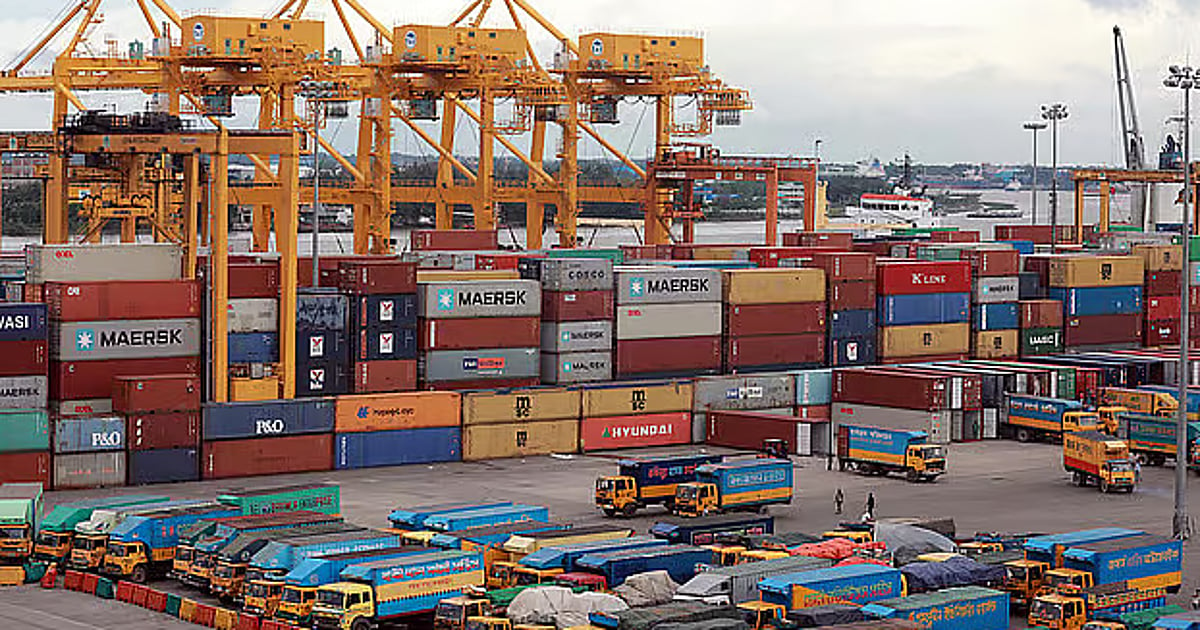

The fourth session of the Bangladesh‑Dubai Joint PPP Platform has revived the leasing of the New Mooring Container Terminal (NCT) and, crucially, advanced a joint modernization scheme that bundles NCT with the adjacent Chittagong Container Terminal (CCT). Dubai‑based DP World’s proposal is not merely an operational upgrade; it signals a calibrated sovereign‑capital deployment strategy whereby the Bangladeshi government can leverage private equity and venture‑fund inflows to finance integrated port infrastructure, thereby reducing reliance on external debt and aligning with national fiscal consolidation targets.
Business analysts foresee immediate operational gains: unified management of NCT and CCT will lift berth capacity by over 30%, enable simultaneous handling of four ocean‑going vessels and two feeder ships, and streamline customs clearance through shared digital platforms. Such efficiencies are projected to cut container dwell time by 22% and generate incremental cargo‑handling revenues exceeding $150 million annually, creating an attractive cash‑flow profile for sovereign wealth funds seeking high‑yield, long‑dated assets in emerging markets.
From a venture‑capital perspective, the bundled terminal model unlocks ancillary opportunities—smart‑logistics solutions, AI‑driven berth optimisation, and blockchain‑enabled supply‑chain traceability—catering to a burgeoning regional startup ecosystem centered on maritime technology. The convergence of public‑private financing, sovereign capital injections, and venture‑backed tech deployments positions the project as a template for replication across the Middle East and North Africa, where nations such as Saudi Arabia and the UAE are already channeling billions into port modernization under their diversification agendas.
Regionally, the integrated terminal initiative underscores a shift toward coordinated maritime corridors linking the Indian Ocean to the Red Sea and Gulf of Aden. By attracting sovereign and private capital to a scalable, replicable infrastructure paradigm, the project could catalyse a new wave of trans‑regional logistics hubs, compelling MENA policymakers to prioritise PPP frameworks that de‑risk greenfield port investments and unlock ancillary financing instruments—such as infrastructure‑linked bonds and mezzanine mezz—geared at accelerating cross‑border trade flows and reshaping the competitive landscape of Middle‑East maritime commerce.