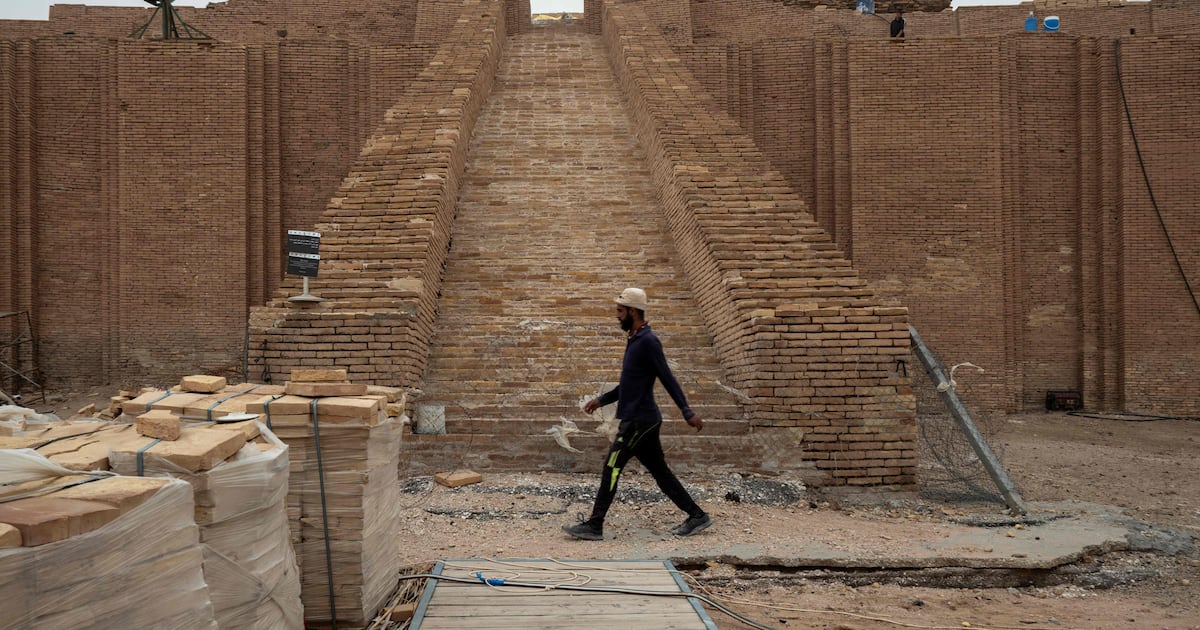

The preservation and monetization of cultural heritage sites like the Great Ziggurat of Ur represent a strategic asset for sovereign wealth funds in the Middle East and North Africa (MENA). Governments in the region are increasingly allocating sovereign capital to restore and promote such monuments as engines for tourism-driven economic diversification. This shift reflects a broader recognition that cultural assets can generate consistent revenue streams while enhancing geopolitical soft power. Concurrently, venture capital firms are targeting MENA’s nascent tech ecosystem to develop digital solutions—such as augmented reality (AR) experiences or blockchain-based provenance tracking—that could transform how these heritage sites are marketed and maintained. Infrastructure gaps remain a critical barrier, however, as aging transport networks and inconsistent internet connectivity hinder the scalability of such initiatives across the region.
The business impact of leveraging heritage-based tourism in MENA is twofold: it requires upfront sovereign investment in infrastructure but offers long-term returns through stable tourism inflows. Countries like Jordan and Iraq, for instance, are positioning themselves as cultural hubs, leveraging partnerships with global tech firms to digitize historical narratives and attract high-value travelers. Sovereign capital is also being deployed to modernize energy and logistics hubs near these sites, ensuring efficient access for both domestic and international tourists. On the venture capital front, startups focusing on sustainable tourism tech or compliance platforms for visitor management are poised for growth, though access to regional funding remains fragmented. Securing robust digital infrastructure—including 5G networks and smart grid systems—is essential to realize these potential returns and avoid over-reliance on volatile oil revenues.
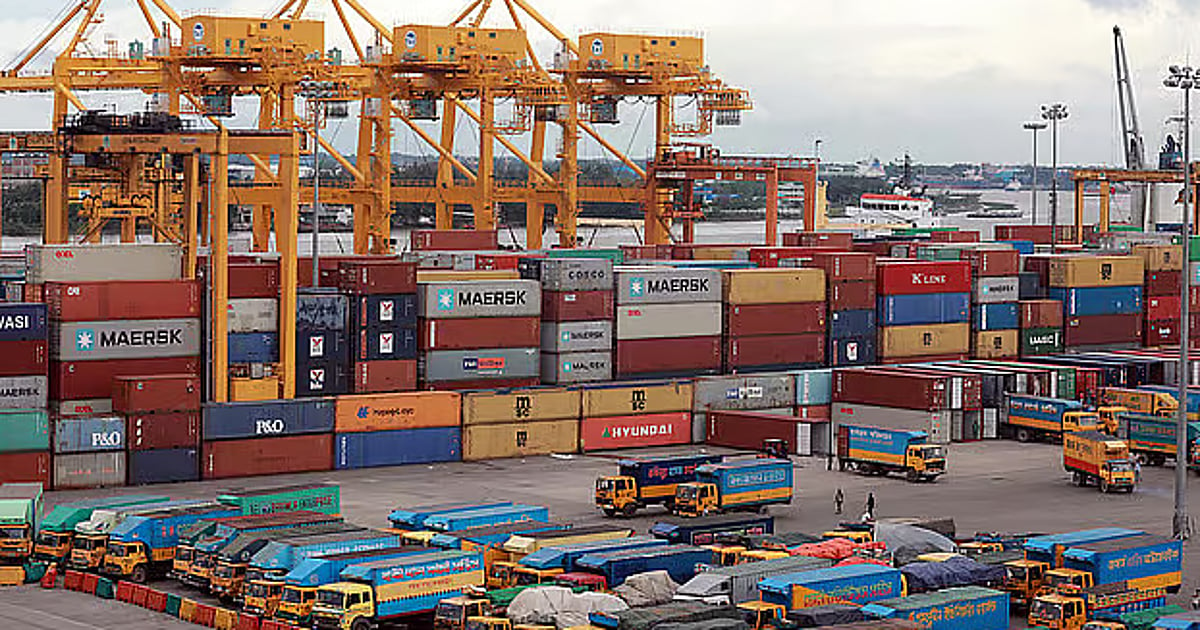
The contrast outlined in the source—between ancient archaeological sites and modern industrial scenes like a Chinese fireworks factory—underscores MENA’s strategic imperative to balance heritage preservation with industrial modernization. Sovereign funds in the Gulf Cooperation Council (GCC) states are increasingly channeling capital into advanced manufacturing sectors, mirroring the scale and efficiency seen in global industrial hubs. Venture capital in MENA is responding by investing in smart manufacturing technologies and supply chain optimization tools tailored to regional markets. Infrastructure development must support this dual focus, with investments in ports, digital backhaul systems, and renewable energy grids. Failure to align these infrastructure upgrades with the region’s dual priorities of cultural and industrial growth could stall economic diversification efforts, leaving sovereign capitals exposed to overconcentration in traditional sectors.