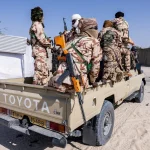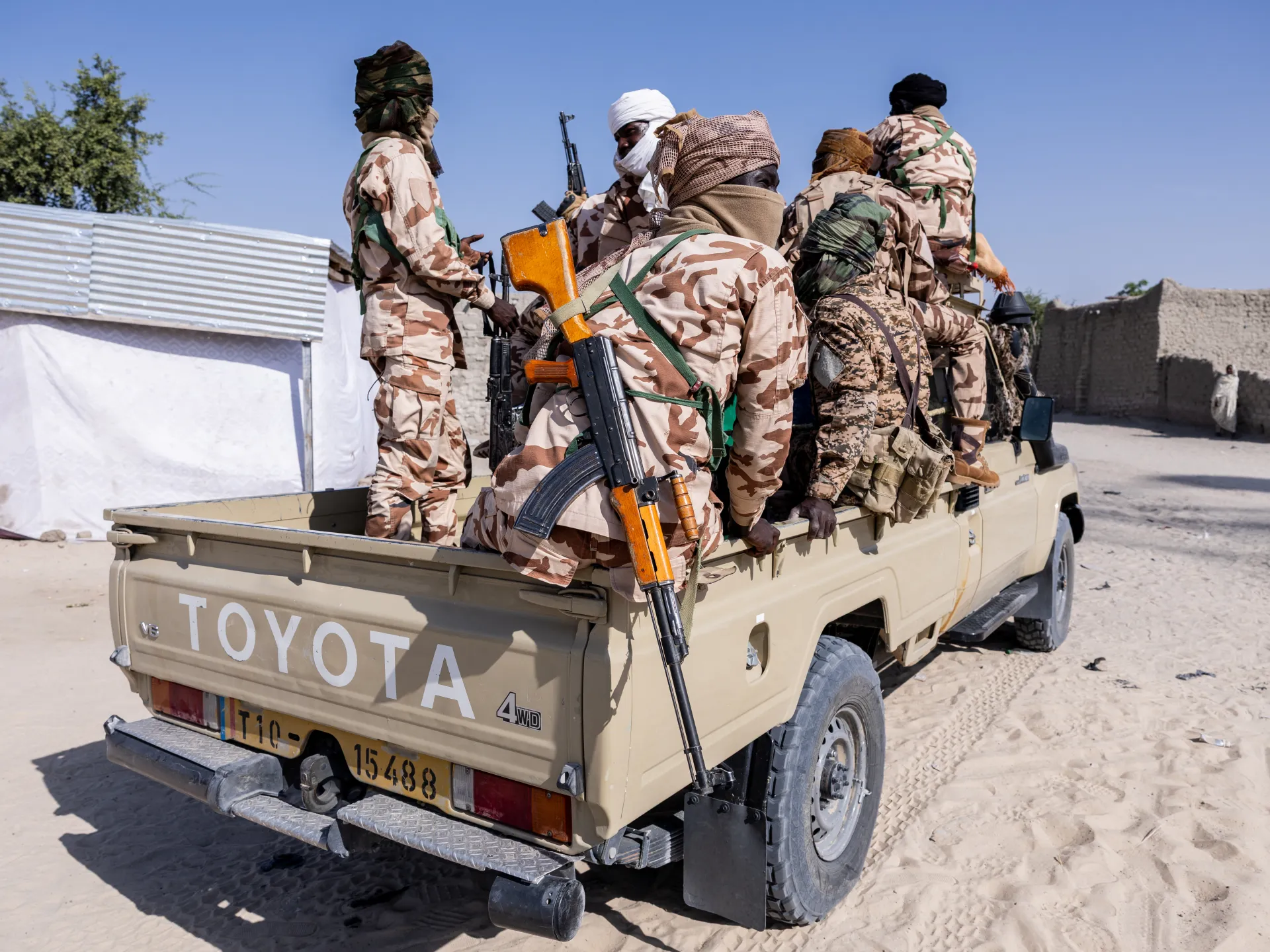

The latest Boko Haram raid on Barka Tolorom, which cost 23 Chadian soldiers their lives and a further 26 injuries, underscores the persistent security risk that continues to dampen investment flows across the Lake Chad Basin. For sovereign capital managers in the MENA region, the escalation signals an immediate need to re‑evaluate risk premiums on infrastructure bonds issued by the four littoral states, as military setbacks translate into higher default probabilities and longer financing horizons.
From a venture capital perspective, the incident reinforces the narrative that private equity and growth equity funds must adopt rigorous geofencing protocols when scouting opportunities in West Africa’s emerging market segment. The consistent pattern of Boko Haram and its ISWAP splinter group targeting islands, marshlands and advanced forward bases creates a volatile operating environment that can erode the projected returns of even the most resilient agri‑tech and fintech startups seeking to tap the underbanked rural populations around the lake.
In terms of regional infrastructure, the attack exposes fragility in both physical and cyber‑physical assets, presenting a window for sovereign and multilateral developers to advocate for resilient, dual‑use security corridors that integrate border surveillance, rapid response logistics, and community resilience programs. Public‑private partnerships that incorporate modular, scalable defense and communications technology could transform the Lake Chad Basin into a safer hub for cross‑border trade, thereby unlocking sovereign borrowing opportunities on par with GCC sovereign funds.
Prime ministerial pledges of “renewed determination” may translate into future fiscal stimulus cycles earmarked for defense modernization and critical infrastructure upgrades. However, unless sovereign capital operators align their risk‑return metrics with the strategic imperatives of a stabilised Lake Chad region, the cost of capital is likely to remain elevated, stunting both state‑owned and private sector project pipelines across the MENA–Africa interface.