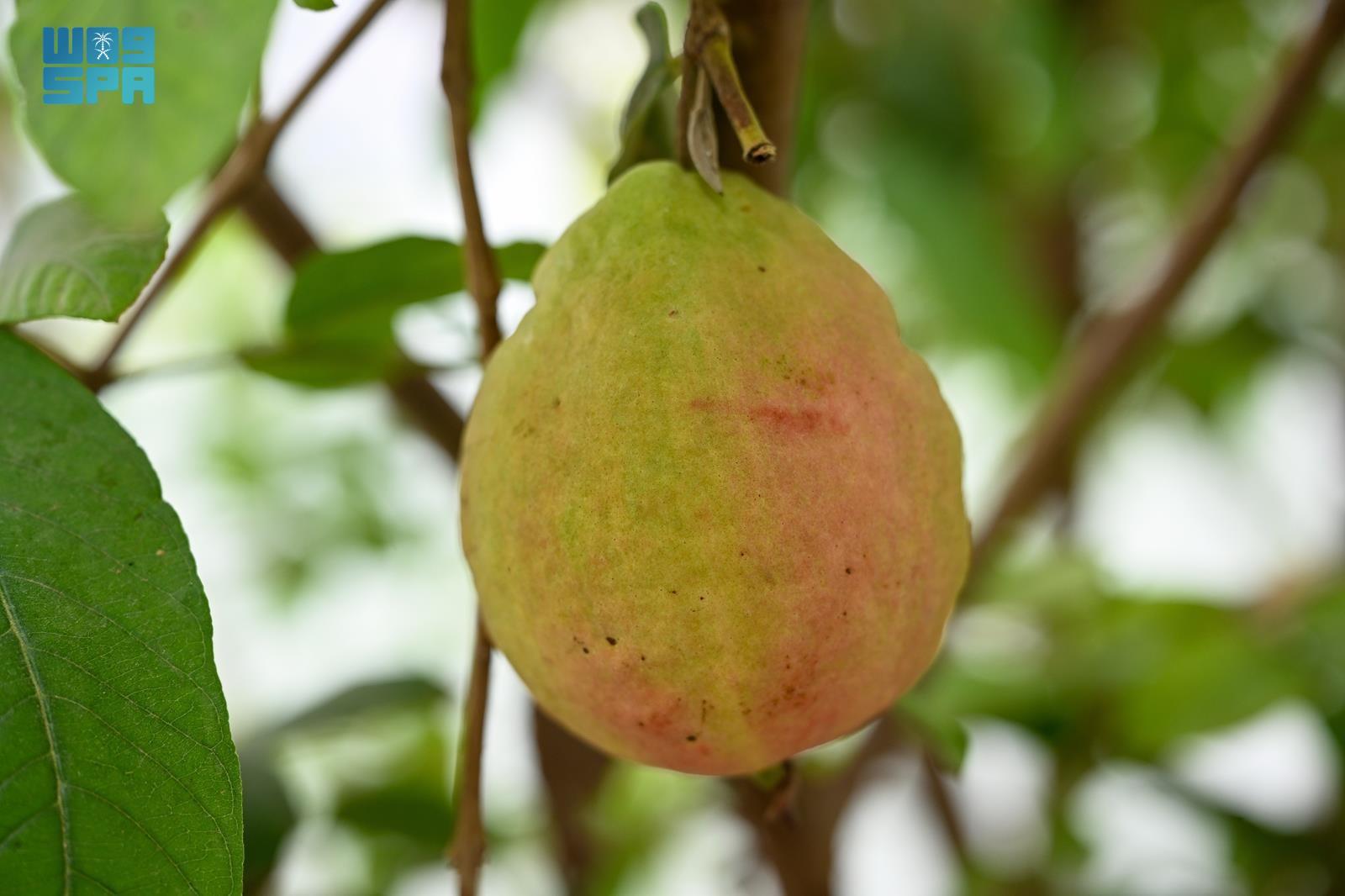

Sovereign balance sheets across the Gulf are pivoting from legacy hydrocarbon exposure toward high-margin agri-tech and logistics assets that lock in regional supply-chain dominance, with Najran emerging as a strategic node for controlled-environment agriculture. The deployment of state-backed capital into red guava production signals a calibrated bid to capture downstream value—processing, cold-chain certification, and export standards—while reducing MENA’s structural dependence on imported perishables. For sovereign wealth and development funds, the calculus is less about horticulture than about optionality: converting climatic constraints into defensible margins via water-saving tech, integrated land concessions, and preferential trade corridors that convert yield into hard-currency revenue.
Venture and growth capital are converging on controlled-environment platforms as a proxy for infrastructure resilience, where standardized, asset-heavy plays can underwrite regional scale before export to higher-IRR markets in Asia and Africa. Institutional investors are treating Najran-class projects as data-rich test beds for yield optimization and resource productivity, layering mezzanine financing against sovereign offtake and export guarantees. The result is a template for venture deployment that substitutes subsidy drag for contractually anchored revenue, compressing risk-adjusted timelines and forcing regional LP expectations toward technology leverage rather than policy patience.
Infrastructure spillovers—power, desalination, fiber logistics, and warehousing—will crystallize around these agricultural enclaves, accelerating the monetization of non-oil GDP corridors along the Red Sea basin. By binding food security to sovereign-controlled logistics stacks, capital allocators are effectively reweighting risk in regional project finance, compressing spreads for assets that serve both domestic resilience and export arbitrage. In a region recalibrating for post-oil growth, Najran is less a farming story than a signal of how sovereign capital and venture liquidity are rewiring MENA’s physical and financial architecture in parallel.