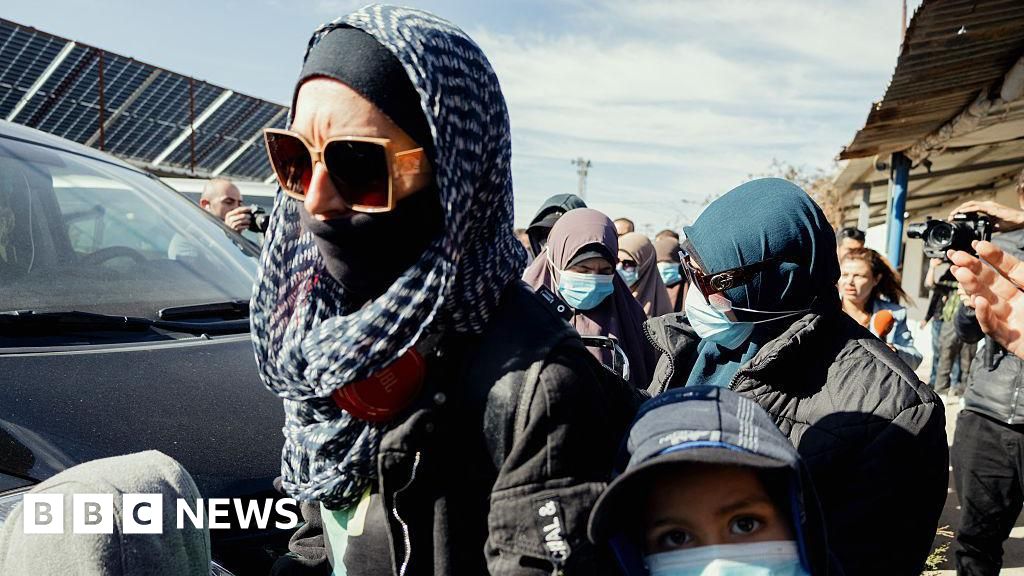

Syria’s recent accusation of dismantling a Hezbollah-infiltrated assassination plot underscores the volatile geopolitical recalibration reshaping the Middle East’s risk landscape. While the operatives’ alleged ties to Lebanon’s Iran-backed militia highlight enduring non-state actor networks, the broader implications for sovereign capital and venture capital ecosystems are profound. Syria’s post-Assad transition remains fraught with legitimacy challenges, and such high-profile security operations—despite their rhetorical targeting of state stability—threaten to deepen economic dislocation. Investors monitoring the country’s debt restructuring efforts now face a compounded dilemma: Will the government’s crackdown on perceived external threats deter international creditors already wary of Syria’s fiscal opacity, or will it signal renewed central authority amid a fragmented security environment? Either outcome risks triggering further downgrades to Syrian sovereign ratings, exacerbating capital flight and stifling reconstruction financing critical to rebuilding infrastructure ravaged by 13 years of war.
The incident also casts a shadow over regional venture capital dynamics, particularly in Lebanon, where Hezbollah’s shadow economy has long interwoven with private-sector interests. Syria’s allegations—though denied—could embolden MENA governments to intensify scrutiny of cross-border investments, particularly in sectors with dual-use potential like defense technology or dual-use infrastructure. This may stifle Lebanon’s precarious venture capital scene, already strained by capital controls and sanctions, as foreign investors demand ironclad due diligence on regional political affiliations. Meanwhile, the Syrian government’s narrative framing the plot as an existential threat to its leadership could inadvertently catalyze a short-lived surge in domestic public-private partnerships, albeit within tightly controlled sectors favoring security apparatus stakeholders. However, such initiatives are unlikely to offset systemic disincentives: Syria ranks 129th on the World Bank’s Ease of Doing Business index, and Lebanon’s capital flight crisis has erased 85% of its GDP since 2019, leaving venture capitalists with few credible exits despite niche opportunities in renewable energy or delinking from Iran-linked supply chains.
Infrastructure deficits across the region take center stage in this calculus. Syria’s collapsed transport networks—its Damascus-Cairo highway now a patchwork of rubble—highlight the existential challenge of reviving economic corridors that once connected Gulf capital to Mediterranean markets. Reconstruction here will require not just multilateral loans but innovation in sovereign green bonds to fund climate-resilient rebuilding, given Syria’s climate vulnerability. Lebanon, meanwhile, faces a stark choice: rebuild its own infrastructure in isolation or risk losing relevance as a transit hub if Syria prioritizes post-war projects funded by its own dwindling resources or Russian concessions. The recent $5.5 billion World Bank pledge for Lebanon’s infrastructure modernization, tied to debt-for-climate swaps, offers a rare silver lining but remains contingent on the government’s ability to decouple from Hezbollah-linked oligarchs—a pretext Damascus could exploit to portray regional instability as a proxy conflict.
Ultimately, Syria’s crackdown reflects a wider MENA paradox: as states seek to assert sovereignty amid fading U.S. influence, they risk fragmenting the brittle security frameworks underpinning regional economic integration. Sovereign capital now navigates a maze of hybrid threats—non-state militias, climate cascades, and sanctions regimes—while infrastructure deficits loom as both vulnerability and opportunity. Venture capital, typically a proxy for stability, falters in this context, yet sovereign wealth funds from China, Turkey, and the UAE are quietly eyeing Syria’s energy transition and Iraq’s hydrocarbon rebound as hybrid plays. The region’s future hinges on whether authorities can balance coercive enforcement with institutional renewal, or if geopolitical brinkmanship will relegate both sovereign and private finance to peripheral roles in a remade, conflict-constrained MENA.