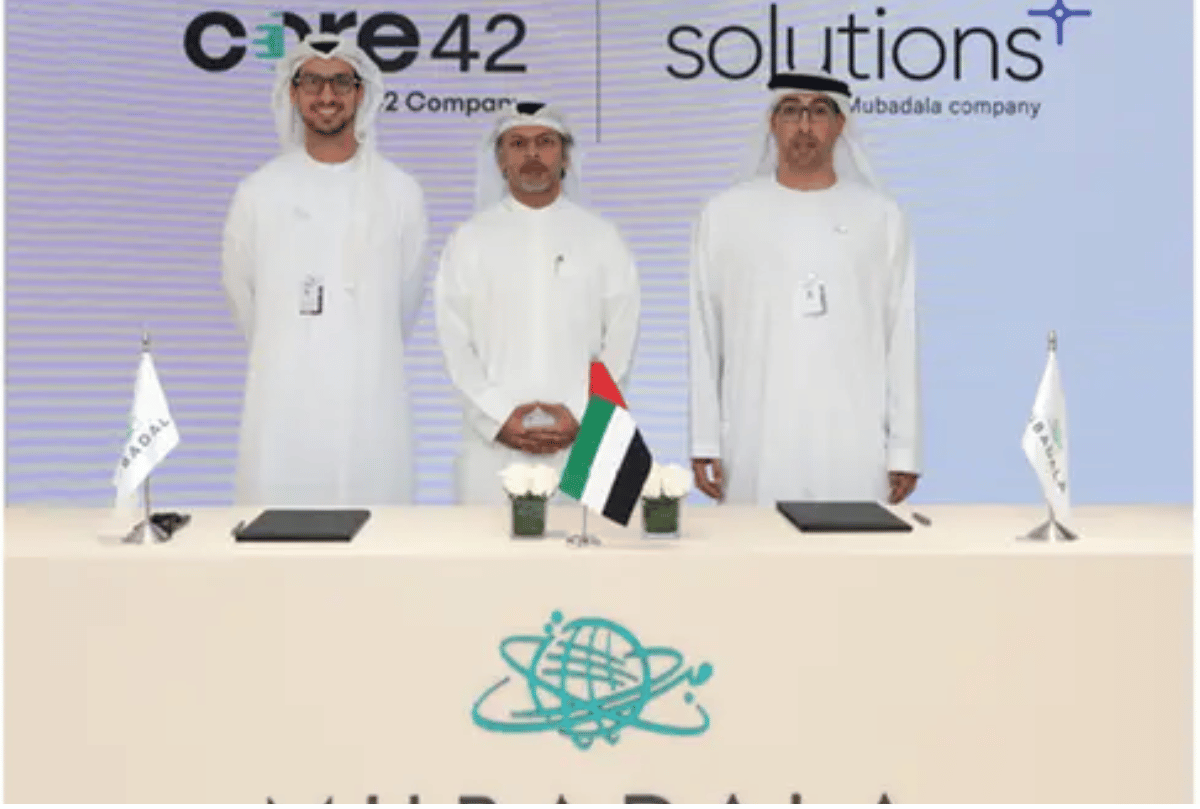

The escalation to kinetic conflict in the region has fundamentally altered the risk calculus for sovereign wealth funds and institutional capital that have underpinned the MENA economic diversification agenda for the better part of a decade. When the first strikes hit, the immediate repricing of regional equities and fixed-income instruments was inevitable—but what matters now is the downstream impact on capital deployment. Abu Dhabi’s Mubadala and Saudi Arabia’s PIF had begun allocating meaningful tranches toward defense-adjacent technology and logistics infrastructure in the Gulf, and those pipelines are now under severe review. The implied volatility alone is forcing Gulf central banks to recalibrate FX reserve buffers and short-term liquidity facilities at a time when many regional economies were already navigating post-COVID fiscal consolidation.
For the venture capital ecosystem, the fallout is equally acute. Dubai, Riyadh, and Cairo had positioned themselves as alternative growth corridors for emerging technology founders fleeing geopolitical friction in other parts of the world. That narrative—central to the region’s soft-power and economic branding—has been fractured overnight. LPs sitting on committed capital are now scrutinizing portfolio exposure across defense-affected corridors, while new deployment timelines for funds-of-funds vehicles backed by regional sovereigns are being pushed out by months, if not quarters. The physical infrastructure implications are no less severe: critical supply-chain nodes, data center clusters, and energy transit infrastructure in contested zones face disruption risk that legacy stress-testing models never adequately priced.
What this demands from regional policymakers is a reckoning with the assumption that capital flows and infrastructure buildout exist in a vacuum. Sovereign actors in the Gulf must now reconcile their long-term vision for knowledge-economy transition with the hard reality that strategic assets—telecommunications, port capacity, digital payments infrastructure—are sitting in harm’s way. The smart money, institutional and otherwise, will not wait for clarity. It will redirect toward jurisdictions offering both geopolitical insulation and credible institutional continuity. The question for the broader MENA architecture is whether the regional integration frameworks—ESCWA, GCC coordination mechanisms, the AfCFTA linkage corridors—can absorb this shock or whether fragmentation becomes the default outcome.