
The successful $18 million Series A funding round secured by Scout Space underscores the accelerating commercialization of space domain awareness technologies—a sector of increasing strategic interest to Middle Eastern sovereign wealth funds and national space programs. Washington Harbour Partners’ lead investment, alongside participation from existing investors including Noblis Ventures and the Virginia Innovation Partnership Corporation, reflects growing institutional appetite for dual-use space infrastructure companies that can address both commercial and defense applications. For MENA region capital allocators, the round signals a maturation of the space situational awareness market at a moment when Gulf Cooperation Council states are aggressively expanding their orbital capabilities.
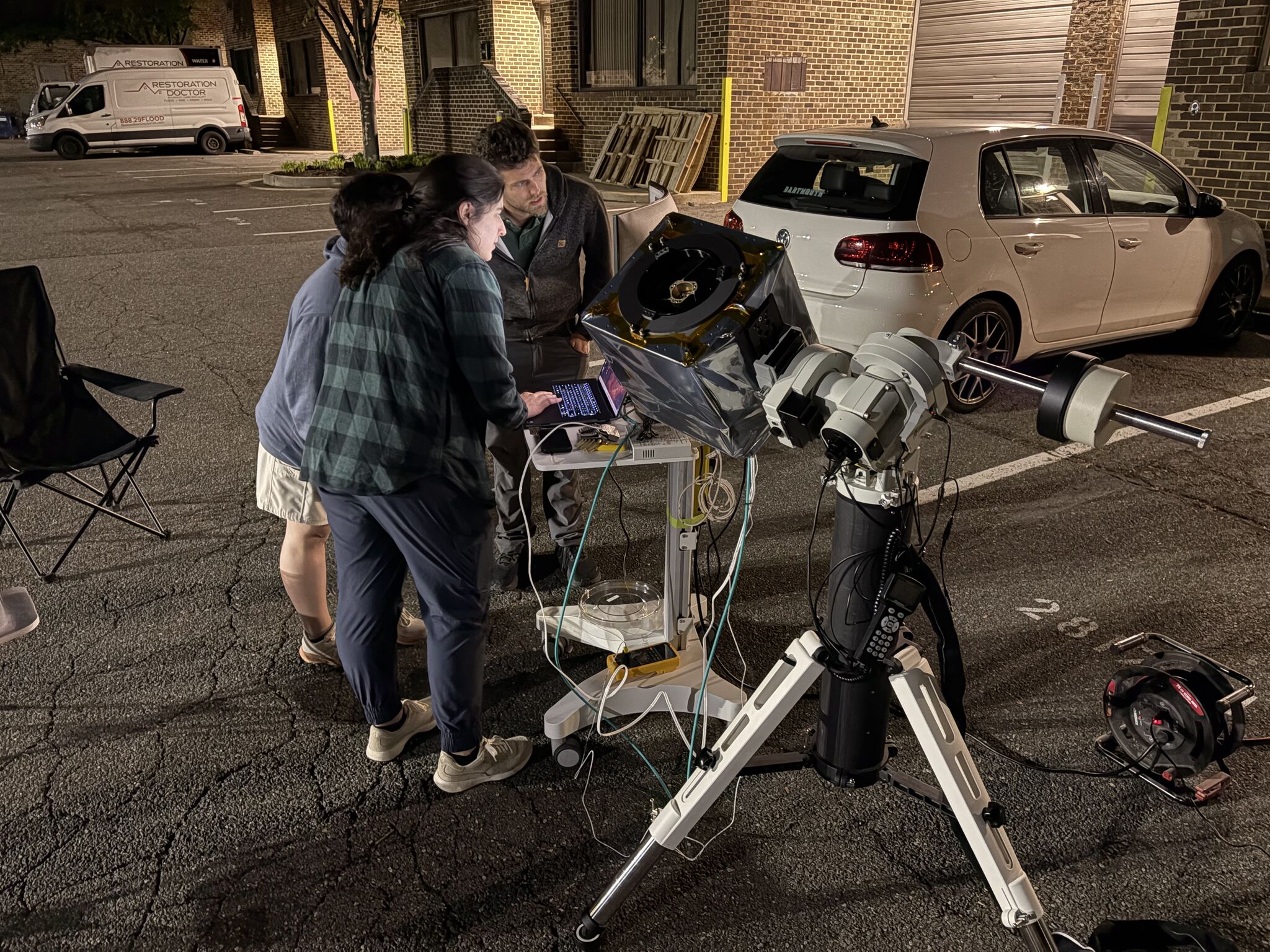
Scout Space’s dual business model—manufacturing Space Domain Awareness sensors for satellite integration while providing orbital tracking and rendezvous proximity operations services—presents a particularly compelling value proposition for regional stakeholders. The company’s trajectory from four orbital payloads to a planned dozen missions over the next two years, including integration with Blue Origin’s Blue Ring platform, demonstrates the kind of flight heritage that Gulf sovereign wealth funds increasingly seek when evaluating space technology investments. The company’s decision to establish a 2,600 square foot manufacturing facility in Northern Virginia and expand its workforce from approximately 30 to over 50 employees within 18 months indicates scalable production capabilities that could eventually support international defense contracts.
The strategic implications for MENA infrastructure are substantial. As regional space agencies in the United Arab Emirates, Saudi Arabia, and Qatar develop indigenous satellite constellations, the demand for sophisticated SDA sensors and space traffic management systems will intensify. Scout Space’s positioning to compete for significant Department of Defense contracts—including Space Systems Command’s Andromeda program and the Defense Innovation Unit’s Ghost Recon initiative—offers a potential pathway for technology transfer to allied nations. The company’s CEO Josiah Gruber has correctly identified a critical bottleneck: current manufacturing capacity for orbital payloads remains inadequate relative to projected demand, with tens of thousands of spacecraft expected to launch over the coming years. MENA sovereign capital, with its long-term investment horizons and strategic diversification objectives, is well-positioned to capitalize on this supply-demand imbalance through strategic equity positions in emerging space infrastructure providers.