
Riyadh’s residential property market is experiencing a fundamental restructuring under Saudi Arabia’s Vision 2030 framework, which allocates billions in sovereign capital toward infrastructure and urban development. The Public Investment Fund’s strategic deployment of resources into major developments such as Diriyah and Sedra reflects a deliberate effort to diversify the kingdom’s economic base while positioning Riyadh as a regional real estate destination. This influx of state capital is creating ripple effects throughout the MENA region’s investment ecosystem, potentially redirecting private capital flows toward opportunities that previously required established market maturity.
The relaxation of foreign ownership restrictions represents a pivotal policy shift with profound implications for regional capital allocation. Multinational corporations relocating regional headquarters to Riyadh are catalyzing demand for premium residential assets, while the availability of freehold property in designated zones is attracting both direct residential investors and real estate-focused funds. This regulatory evolution aligns with broader regional trends where sovereign wealth funds across the Gulf are increasingly viewing direct real estate investments as core portfolio allocations, particularly in scarcity-driven luxury segments.
Massive infrastructure expenditures, including the New Murabba development and Riyadh Metro project, underscore the kingdom’s commitment to creating sustainable demand fundamentals. These initiatives not only enhance accessibility but also establish precedents for public-private partnership models that regional developers are likely to emulate. The emergence of branded residential developments, such as Trump-licensed projects and partnerships with international hospitality operators, signals confidence in replicating successful global formats within the Saudi context, potentially influencing investment strategies across interconnected Middle Eastern markets.
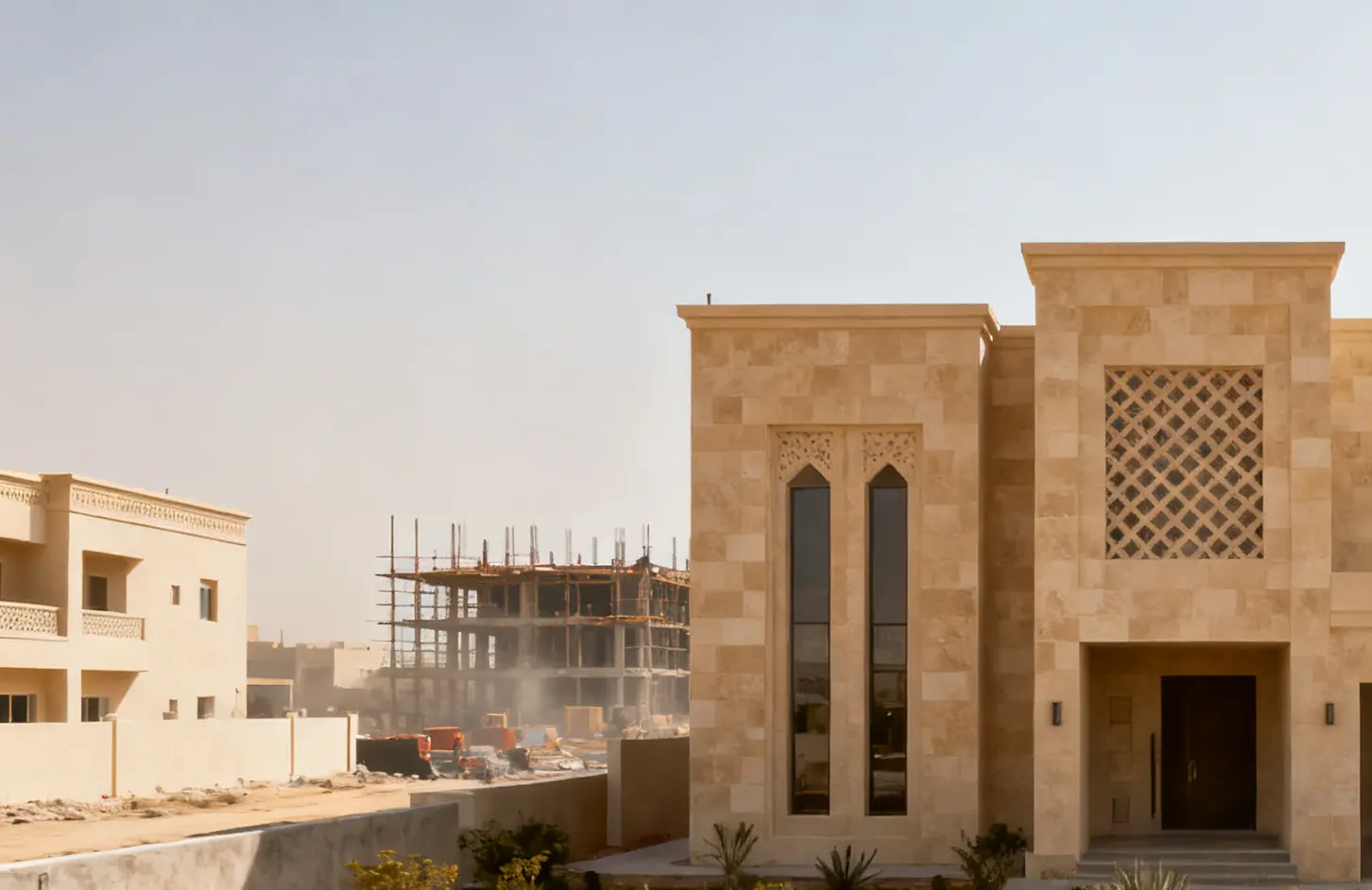
The convergence of sovereign capital deployment, policy liberalization, and infrastructure development positions Riyadh to capture significant portions of the regional luxury real estate market. With villa supply inherently constrained by land availability and cultural preferences, the market structure favors well-capitalized developers capable of delivering international-standard products. The success of current projects will likely determine whether Riyadh attracts the sustained foreign direct investment necessary to achieve full international recognition, with implications extending beyond residential real estate to influence regional commercial real estate dynamics and ultimately reshaping the MENA investment landscape.