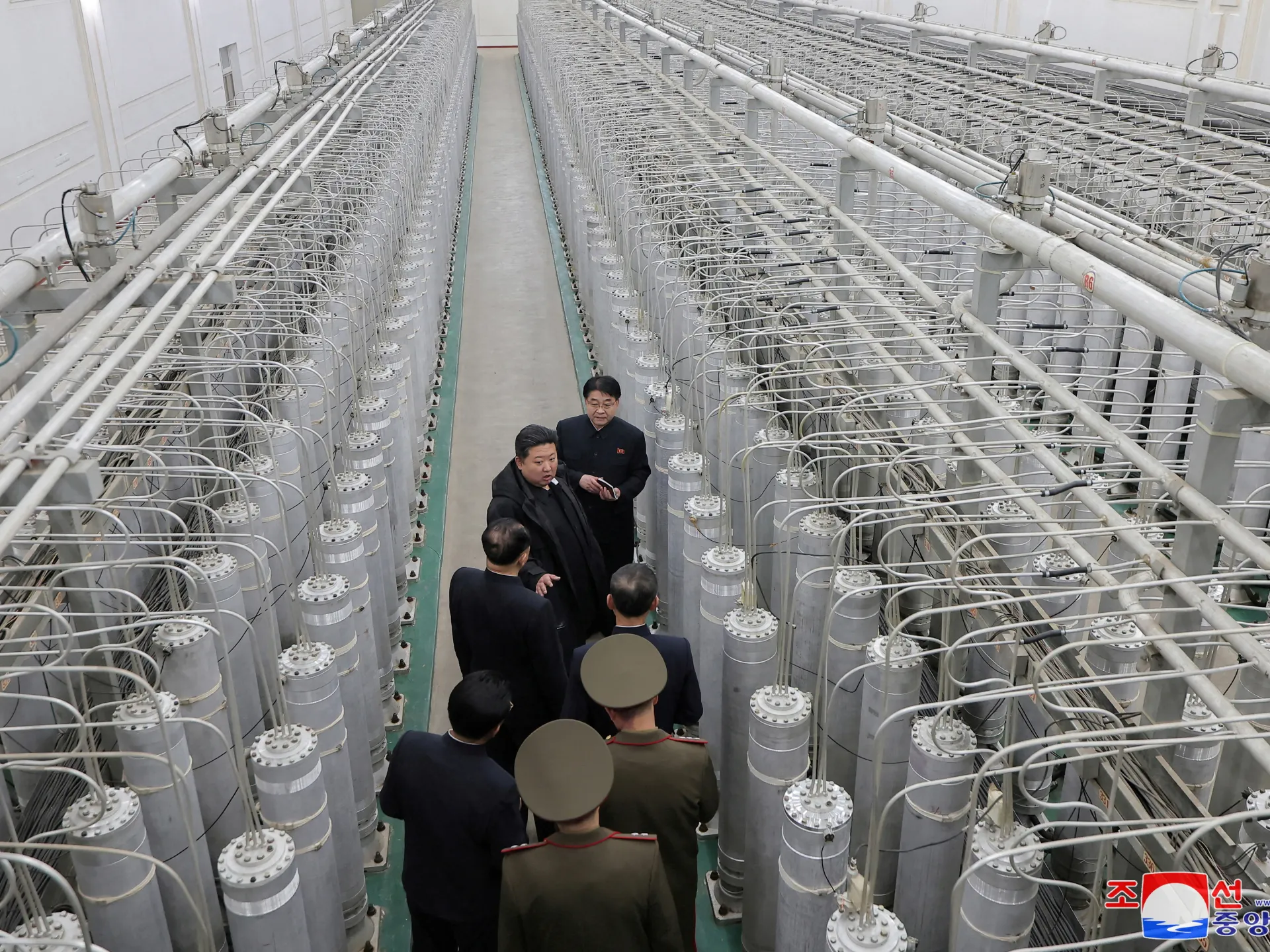

North Korea’s explicit rejection of the Nuclear Non-Proliferation Treaty (NPT) and its insistence on its status as a nuclear-armed state injects profound geopolitical volatility into the global risk calculus, directly impacting MENA business landscapes through heightened energy price fluctuations, sanctions spillover risks, and supply chain disruptions, compelling regional enterprises to recalibrate hedging strategies and contingency plans. Sovereign wealth funds in the Gulf, critical drivers of regional diversification, face increased pressure to navigate amplified market volatility and reassess allocations across sectors sensitive to geopolitical shocks, potentially accelerating capital flight towards perceived safe havens or defensive assets like infrastructure and utilities, while simultaneously facing potential political pressure to align with international non-proliferation efforts.
North Korea’s nuclear stance exacerbates the regional nuclear arms race narrative, particularly concerning Iran’s program, triggering significant shifts in regional venture capital flows towards defense technology, cybersecurity, and critical infrastructure resilience startups across MENA. This emerging paradigm fosters a strategic imperative for regional governments to channel unprecedented sovereign capital into robust digital and physical infrastructure to mitigate asymmetric threats and ensure energy and communications security, thereby catalysing large-scale contracts for cybersecurity firms, grid modernization projects, and border surveillance technologies, fundamentally altering investment priorities within the regional venture ecosystem.
The enduring defiance of North Korea, coupled with its ties to Russia and the unresolved Iranian nuclear dossier, underscores an urgent need for MENA nations to leverage enhanced sovereign capital not just for defense modernization, but to build foundational infrastructure capable of withstanding geopolitical shocks and securing long-term economic stability, thereby shaping a new paradigm where regional security imperatives directly dictate investment trajectories in technology and critical national assets across the Gulf and North Africa.