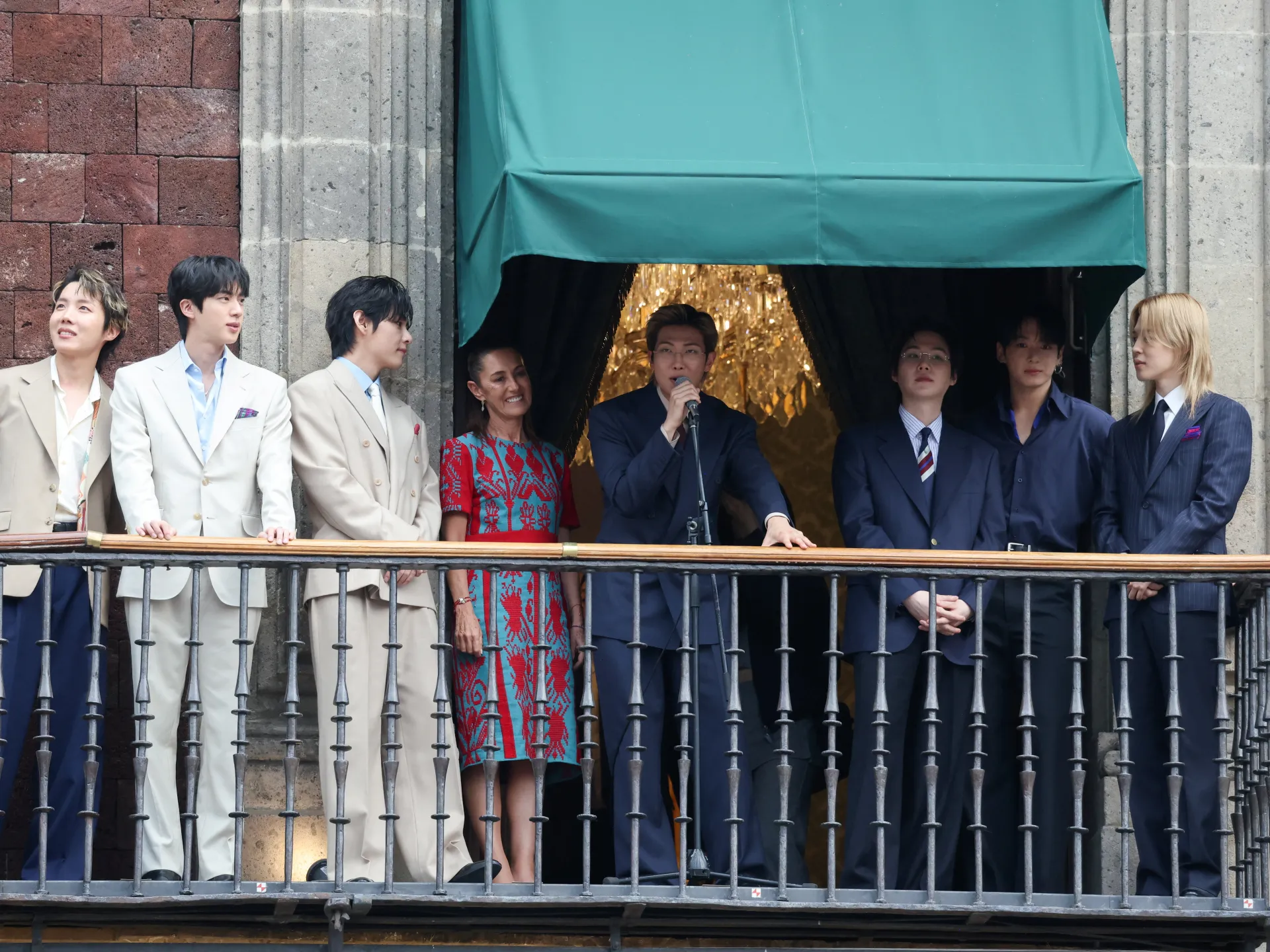

The convergence of global pop culture and national economic strategy, exemplified by BTS’s $100 million concert in Mexico underscores the rising commercial valuation of cultural diplomacy as a driver of economic activity. For the MENA region, this phenomenon presents a critical lesson in monetizing soft power. Sovereign wealth funds, particularly those in the UAE and Saudi Arabia, are increasingly allocating capital toward cultural exports as part of broader diversification agendas, transforming intangible assets into quantifiable revenue streams. This capital deployment extends beyond mere events to nurturing indigenous talent hubs and digital content ecosystems, positioning the region as a competitive force in the global creative economy while reducing hydrocarbon dependency.
Sovereign capital’s role in this shift is pivotal. Funds like Saudi Public Investment Fund’s backing of entertainment ventures and Abu Dhabi’s portfolio of cultural institutions—spanning Louvre partnerships to film funds—demonstrate a calculated strategy to embed cultural production within national economic frameworks. Such investments catalyze multiplier effects, from tourism revenue to ancillary services, while signaling to global markets that MENA is no longer a mere consumer but a producer of high-value cultural commodities. This recalibration of sovereign balance sheets toward intangible assets reflects a sophisticated understanding of future economic drivers, where nation branding and intellectual property become primary levers of growth.
Parallel to state-led initiatives, venture capital is recognizing the MENA creative sector as a fertile ground for scalable returns. Startups in digital music streaming, event-tech, and virtual production—bolstered by regional VCs like BECO Capital and Wamda—are building infrastructure tailored to local content production and distribution. This private capital is bridging gaps in supply chains for creative talent, audience analytics, and cross-border monetization, enabling MENA artists to capture global market share without relying solely on traditional media. The region’s youthful demographic and digital maturity further amplify venture opportunities, positioning MENA as a testbed for next-generation cultural commerce models.
However, unlocking the full economic potential requires synchronized infrastructure development. MENA must prioritize integrated cultural corridors—combining physical venues, high-speed logistics, and digital platforms—to host large-scale events while supporting grassroots creative clusters. Investments in next-gen stadium technology, fiber-optic connectivity for media production, and unified payment systems for digital content are non-negotiable for sustaining this trajectory. Without such foundational upgrades, the region risks squandering its sovereign and private capital investments, failing to transform cultural capital into enduring economic legacy.